MSI Cyborg 15 A12VF-271XPL RAM upgrade specifications
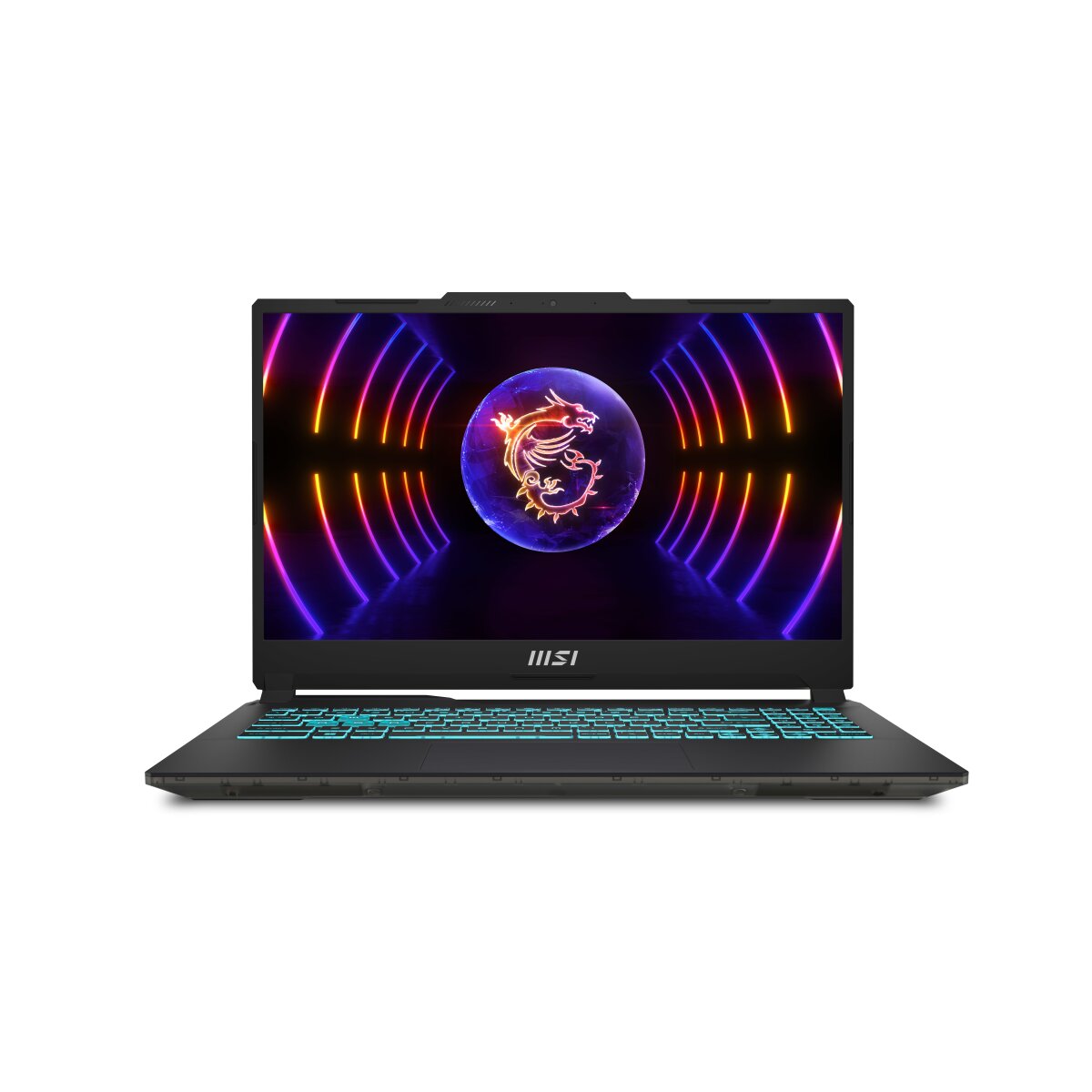

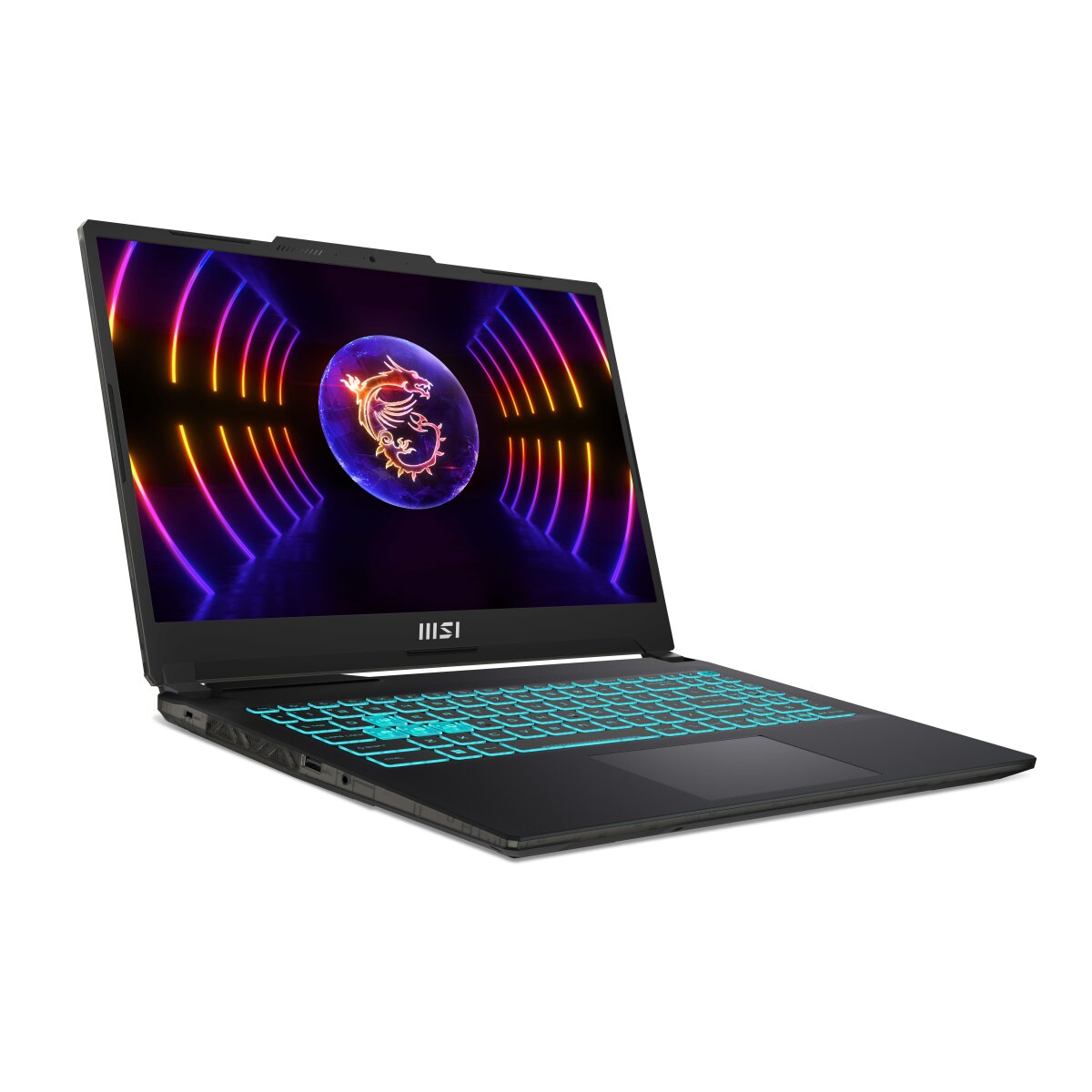
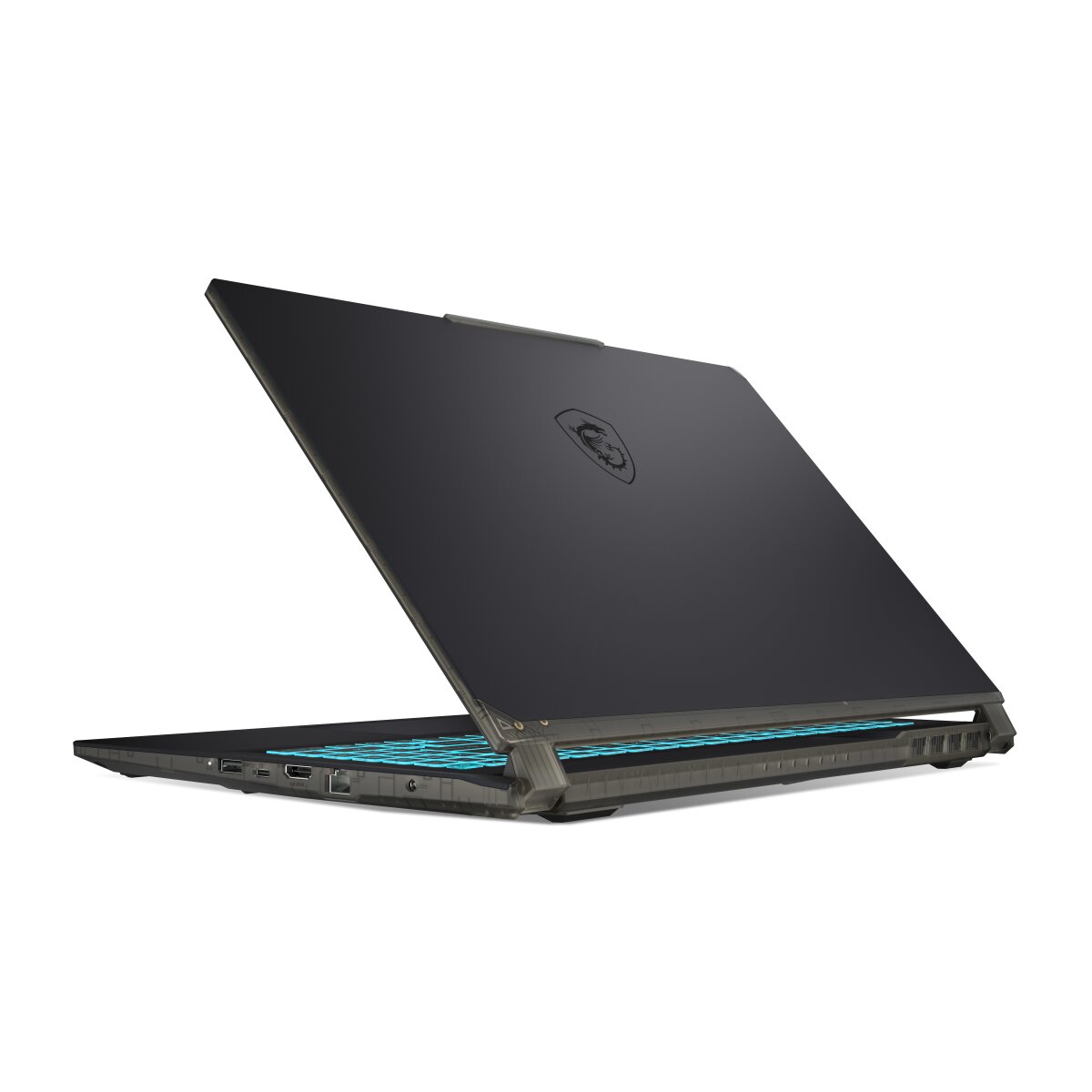
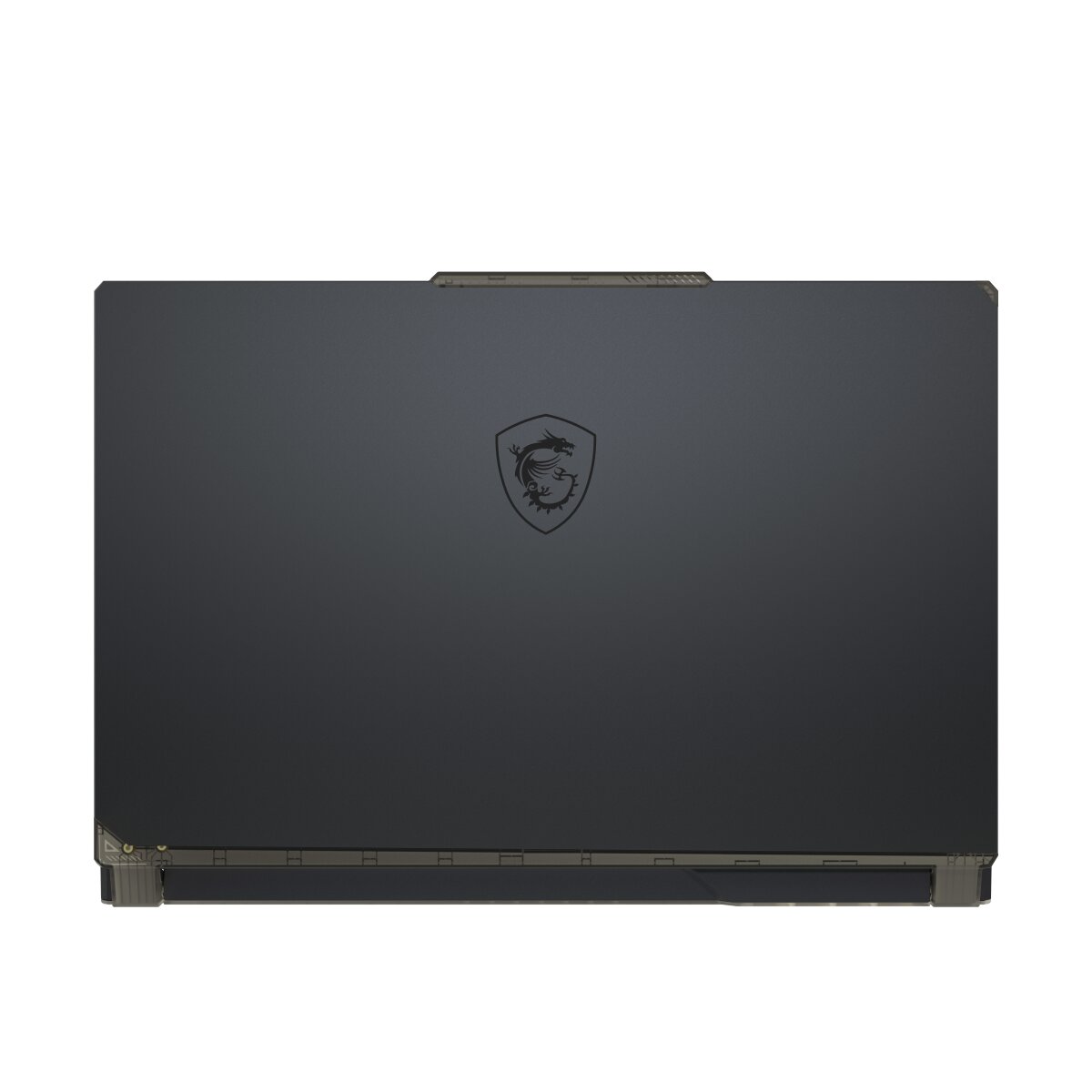
The MSI Cyborg 15 A12VF-271XPL features DDR5-SDRAM memory upgrade capabilities with 2x SO-DIMM slots supporting maximum capacity of 64 GB. Specifications indicate compatible memory modules operate at 4800 MHz frequency using SO-DIMM form factor. Laptop RAM upgrade slots accommodate DDR5 technology, providing expansion options for increased memory capacity and system performance enhancement on the MSI 15 series model.
Memory Upgrade Specifications
| Specification | Value |
|---|---|
| Memory slots | 2x SO-DIMM |
| Form factor | SO-DIMM |
| Memory type | DDR5-SDRAM |
| Frequency | 4800 MHz |
| Maximum RAM | 64 GB |
| Voltage | 1.1V |
| Number of pins | 262-pin |
| Interface | PC5 |
| PC Speed Rating | PC5-4800 (PC5-38400) |
| Bandwidth | 38.4 GB/s |
| Laptop Release date | 04 June 2023 |
Additional Notes
- The MSI Cyborg 15 A12VF-271XPL enforces DDR5-only compatibility, eliminating any possibility of installing DDR4 modules due to physical notch positioning differences and voltage incompatibility.
- SO-DIMM form factor indicates laptop-specific memory modules are required, preventing installation of standard desktop DIMM modules which exceed the physical slot dimensions.
- The 64 GB maximum capacity constraint suggests a per-slot limitation of 32 GB, requiring matched-density modules when targeting full capacity.
- Native 4800 MHz operation provides 38.4 GB/s theoretical bandwidth per channel, though dual-channel configuration doubles this to 76.8 GB/s when both slots are populated with matched modules.
- DDR5 architecture introduces on-die ECC, reducing uncorrectable bit errors compared to DDR4 without requiring separate ECC module variants.
- Single-slot population will halve memory bandwidth to 38.4 GB/s, creating potential bottlenecks in GPU-intensive applications that rely on fast system memory transfers.
- The 2-slot configuration allows incremental upgrades starting from lower capacities without requiring complete module replacement when expanding memory.
- Operating voltage for DDR5 modules is standardized at 1.1V, reducing power consumption by approximately 20% compared to DDR4's 1.2V specification.
- Mixing modules with different speeds will force all memory to operate at the lowest common frequency, potentially underutilizing the 4800 MHz capability.
- SO-DIMM slot accessibility typically requires bottom panel removal, though some chassis designs may necessitate partial keyboard assembly disassembly for memory access.
- JEDEC-standard DDR5-4800 timing specifications default to CL40, affecting latency-sensitive workloads differently than bandwidth-dependent tasks.
- The absence of ECC designation indicates standard unbuffered memory, confirming consumer-grade rather than workstation-class memory architecture.