MSI Cyborg 15 A12VF-266XPL RAM upgrade specifications
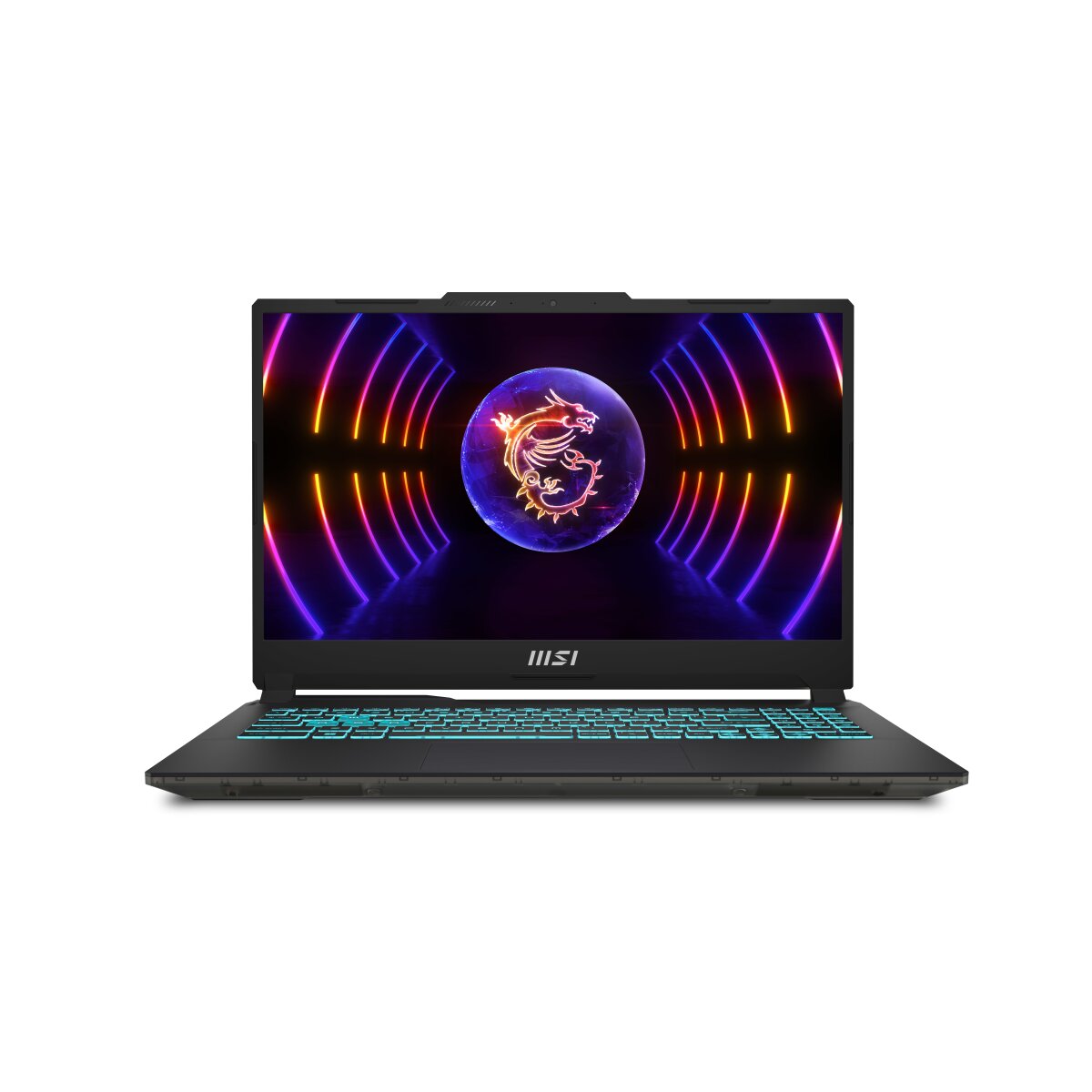



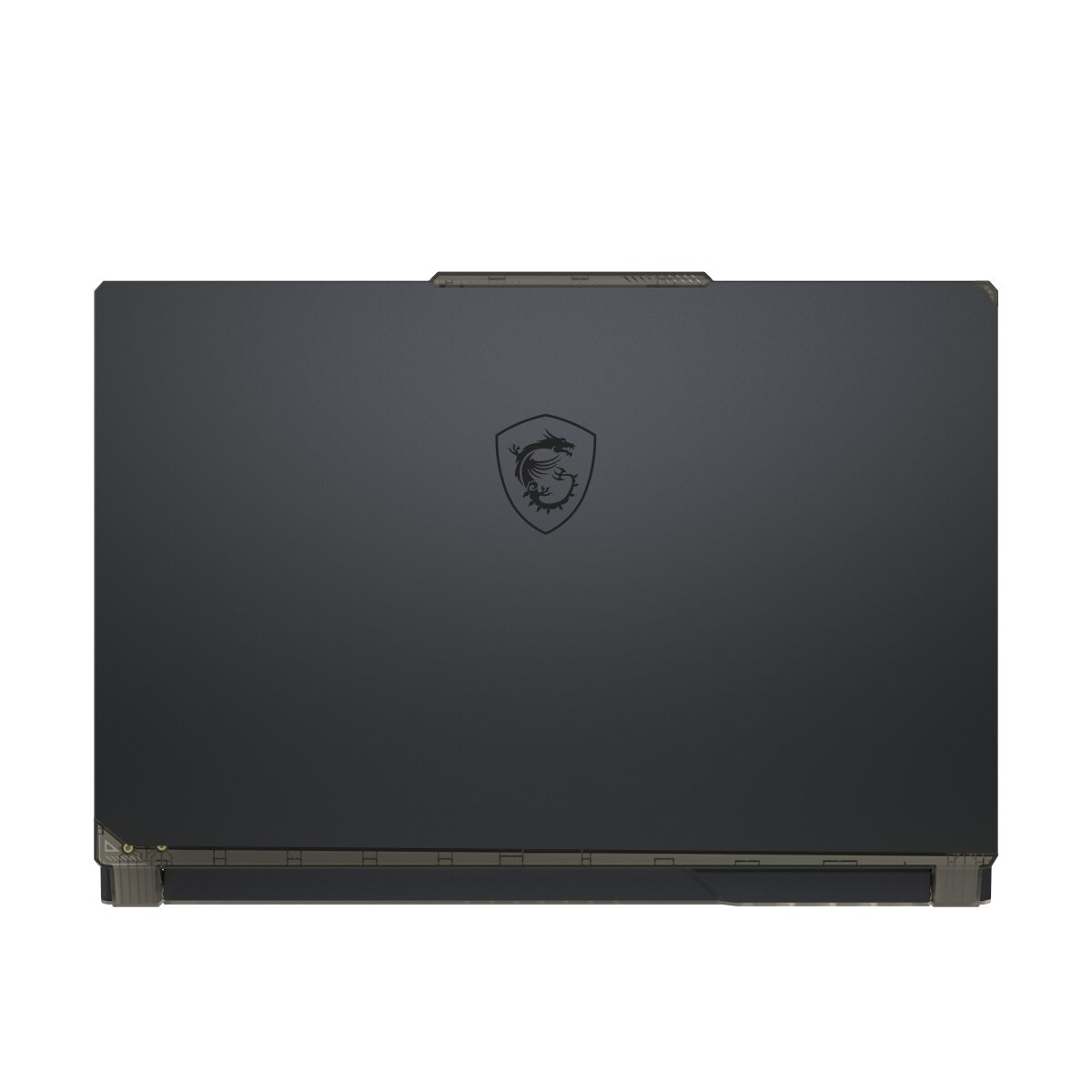
MSI Cyborg 15 A12VF-266XPL laptop RAM upgrade specifications indicate DDR5-SDRAM memory compatibility with two SO-DIMM slots. Maximum supported memory capacity reaches 64 GB total, operating at 4800 MHz frequency. Upgrade options support DDR5-SDRAM modules in SO-DIMM form factor. Compatible memory configurations provide expandable capacity through dual slot configuration for enhanced system performance specifications.
Memory Upgrade Specifications
| Specification | Value |
|---|---|
| Memory slots | 2x SO-DIMM |
| Form factor | SO-DIMM |
| Memory type | DDR5-SDRAM |
| Frequency | 4800 MHz |
| Maximum RAM | 64 GB |
| Voltage | 1.1V |
| Number of pins | 262-pin |
| Interface | PC5 |
| PC Speed Rating | PC5-4800 (PC5-38400) |
| Bandwidth | 38.4 GB/s |
| Laptop Release date | 04 June 2023 |
Additional Notes
- The MSI Cyborg 15 A12VF-266XPL relies on DDR5 technology, which requires motherboard-level voltage regulation and prevents any backward compatibility with DDR4 modules regardless of physical slot configuration.
- Both SO-DIMM slots operate on a dual-channel architecture, meaning asymmetric memory configurations will force the system into single-channel mode and effectively halve the available memory bandwidth.
- The 64 GB ceiling indicates chipset limitations rather than slot restrictions, requiring 2 modules of 32 GB each for maximum capacity since single 64 GB SO-DIMMs remain commercially unavailable for consumer platforms.
- DDR5-4800 represents JEDEC baseline specification, suggesting the memory controller lacks official support for higher-frequency XMP or EXPO profiles without stability risks during sustained workloads.
- SO-DIMM format restricts thermal headroom compared to desktop DIMMs, potentially causing frequency throttling under extended memory-intensive operations despite rated specifications.
- DDR5 on-die ECC operates independently of system-level ECC support, providing error correction at the DRAM level without BIOS visibility or logging capabilities.
- Mixing modules with different CAS latencies will force all installed memory to operate at the slowest timing specification present in the configuration.
- The memory subsystem shares power delivery with integrated voltage regulators on DDR5 modules themselves, creating potential incompatibilities between DIMMs from manufacturers using different PMIC implementations.
- Accessing both SO-DIMM slots typically requires complete bottom panel removal, and warranty seals may be positioned over retention mechanisms depending on regional service policies.
- DDR5's higher baseline frequency compared to DDR4 increases power consumption per module, potentially affecting battery runtime calculations when upgrading from factory-installed capacity.