MSI Cyborg 15 A12VF-246XPT RAM upgrade specifications
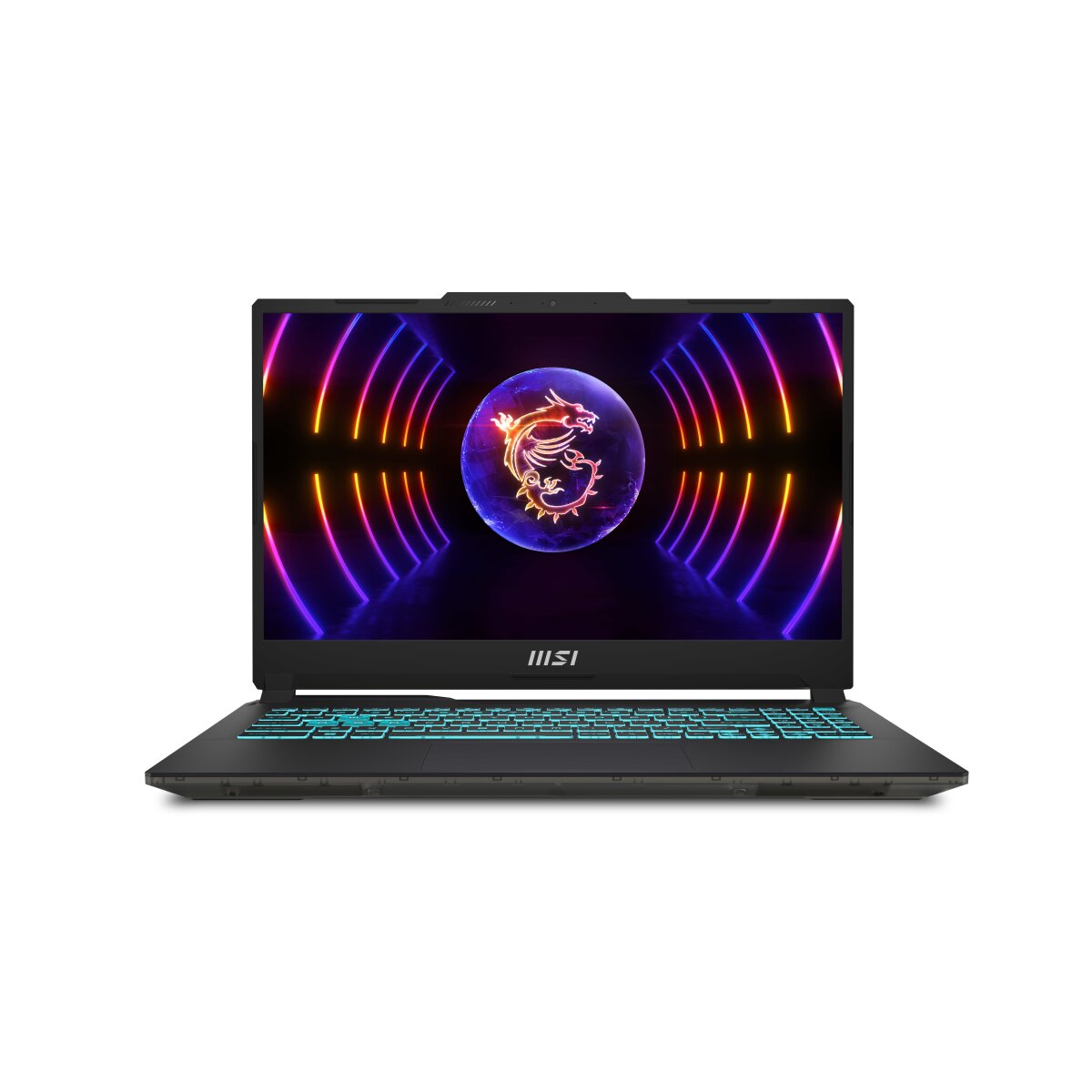



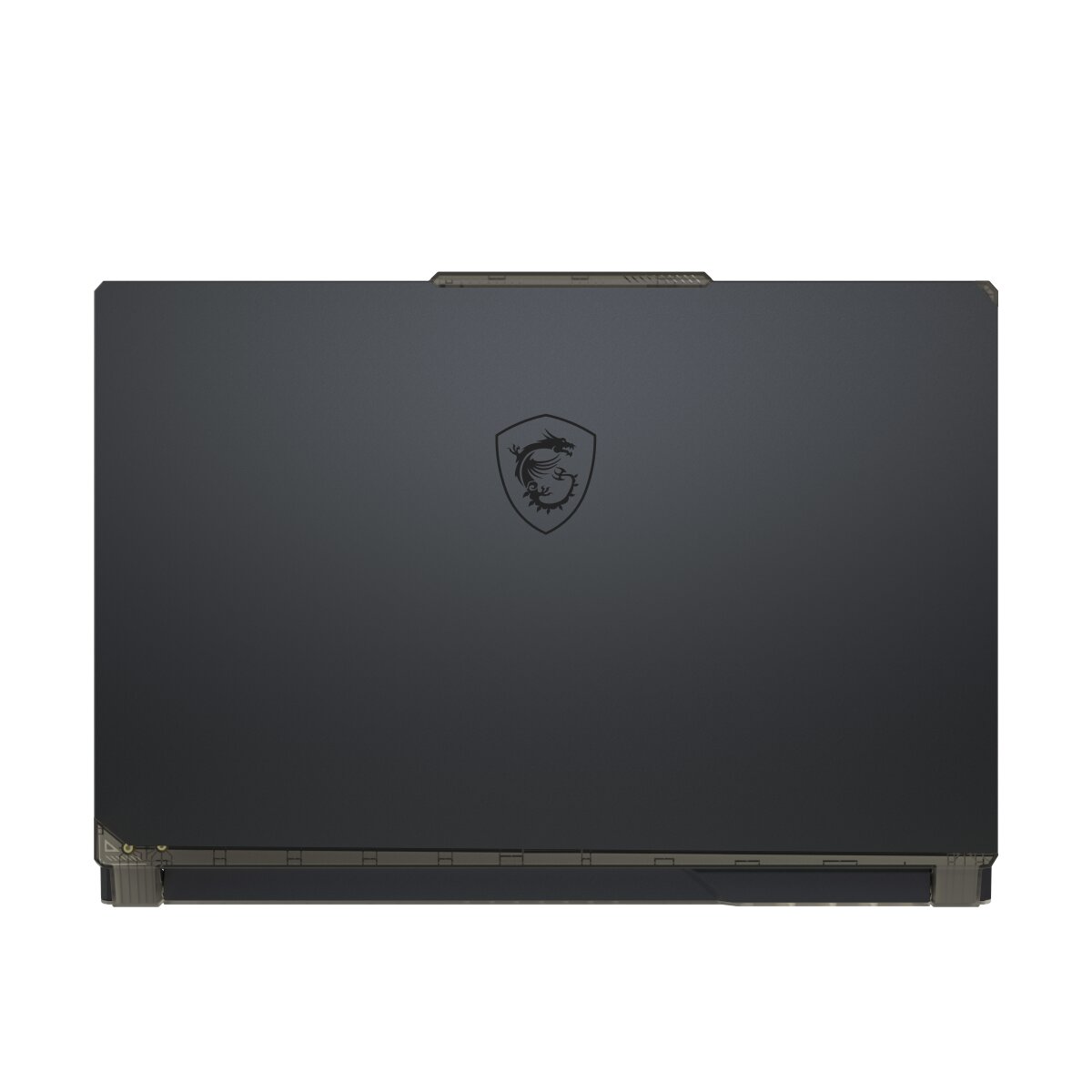
The MSI Cyborg 15 A12VF-246XPT laptop features two SO-DIMM memory slots supporting DDR5-SDRAM upgrades. Compatible RAM modules operate at 4800 MHz frequency, with maximum capacity of 64 GB total memory. Upgrade specifications indicate support for DDR5 technology across both slots, enabling users to expand system memory from factory configuration to maximum supported specifications.
Memory Upgrade Specifications
| Specification | Value |
|---|---|
| Memory slots | 2x SO-DIMM |
| Form factor | SO-DIMM |
| Memory type | DDR5-SDRAM |
| Frequency | 4800 MHz |
| Maximum RAM | 64 GB |
| Voltage | 1.1V |
| Number of pins | 262-pin |
| Interface | PC5 |
| PC Speed Rating | PC5-4800 (PC5-38400) |
| Bandwidth | 38.4 GB/s |
| Laptop Release date | 02 May 2023 |
Additional Notes
- The MSI Cyborg 15 A12VF-246XPT supports SO-DIMM modules exclusively, which eliminates compatibility with standard desktop DIMM memory and requires laptop-specific components for any upgrade.
- DDR5-SDRAM architecture operates at higher voltages and uses a different pin configuration than DDR4, making backward compatibility with older generation modules physically and electrically impossible.
- The 4800 MHz frequency represents the JEDEC baseline specification for DDR5, meaning modules rated at higher speeds will downclock to this native speed unless XMP profiles are supported and enabled in BIOS.
- Dual SO-DIMM slot configuration enables dual-channel memory architecture when matched pairs are installed, doubling theoretical bandwidth from 38.4 GB/s per channel to 76.8 GB/s total system bandwidth.
- The 64 GB maximum capacity suggests a 12th generation Intel platform limitation, as this ceiling typically corresponds to chipset-level restrictions rather than physical slot availability.
- Installation requires bottom panel removal to access SO-DIMM slots, and improper handling of retention clips can damage the socket mechanism or motherboard traces.
- Mixed capacity configurations remain functional but may force the system to operate in asymmetric or single-channel mode depending on BIOS implementation, reducing memory bandwidth by approximately 50 percent.
- SO-DIMM modules exceeding JEDEC voltage specifications may trigger thermal throttling in confined laptop chassis, particularly when both slots are populated at maximum capacity.
- Third-party memory installation typically preserves manufacturer warranty coverage under most regional consumer protection laws, though verification of specific warranty terms remains advisable before modification.
- DDR5 error correction code capabilities function at the on-die level rather than requiring ECC-specific modules, providing basic data integrity features in standard consumer memory configurations.