MSI Cyborg 15 A12VF-096 RAM upgrade specifications
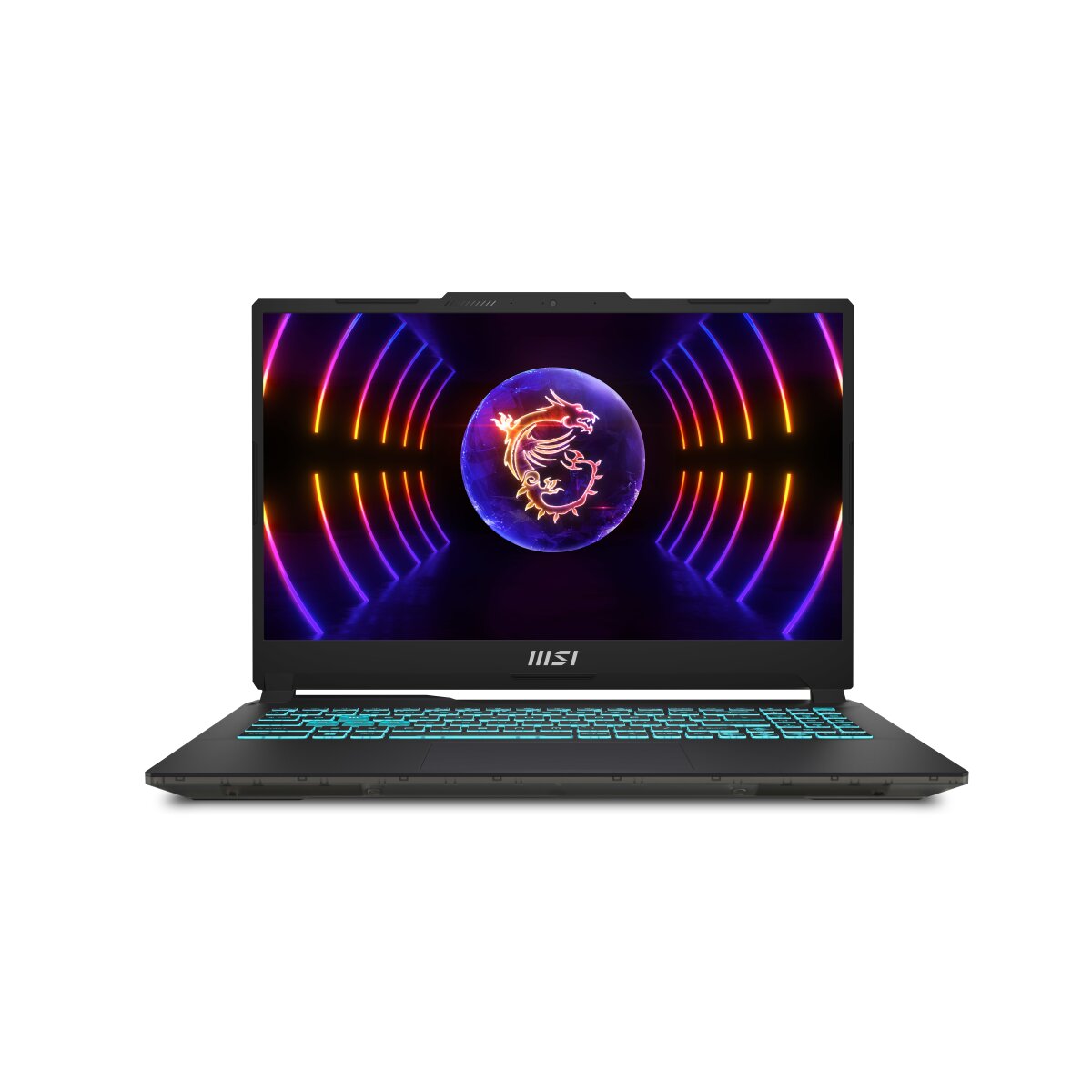
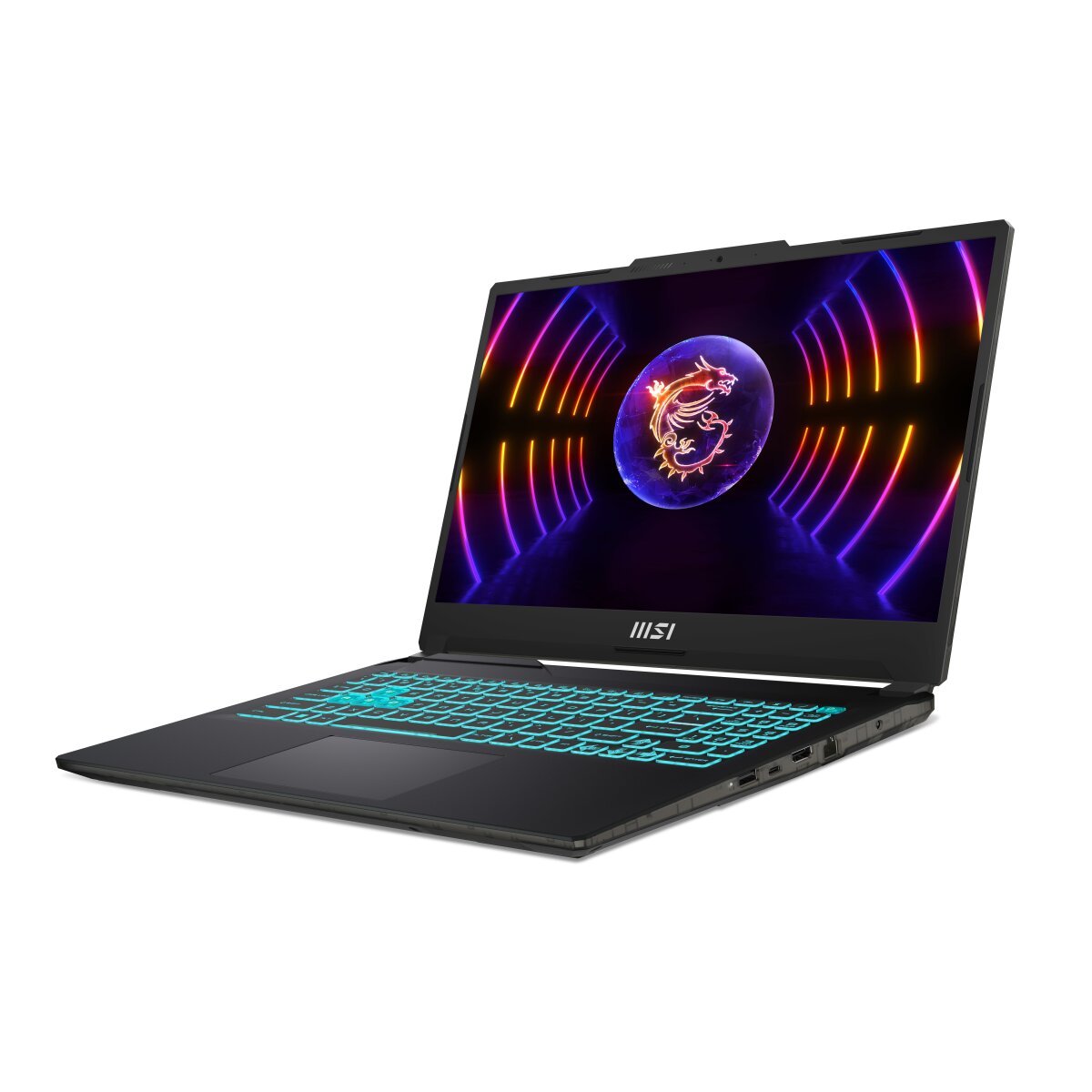
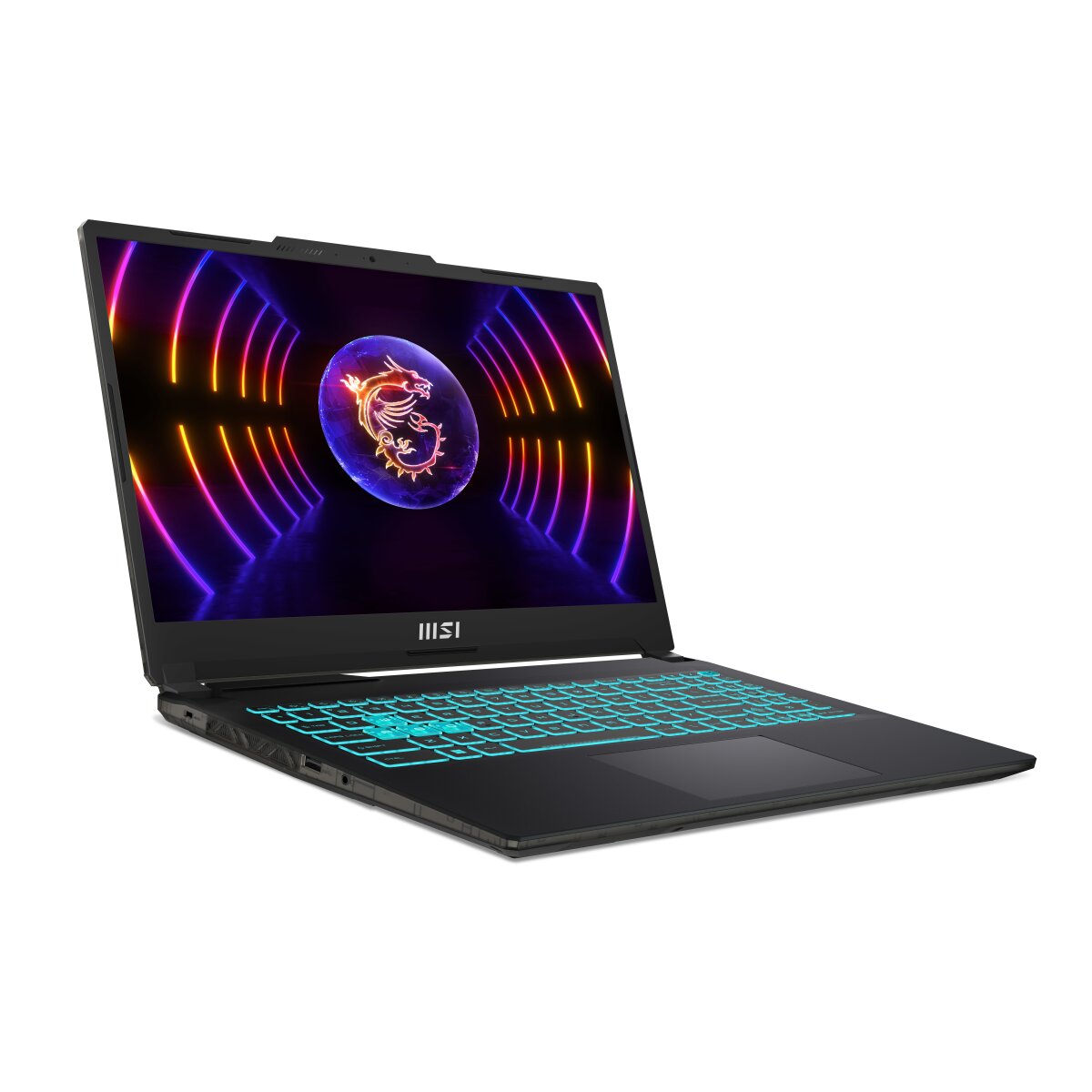

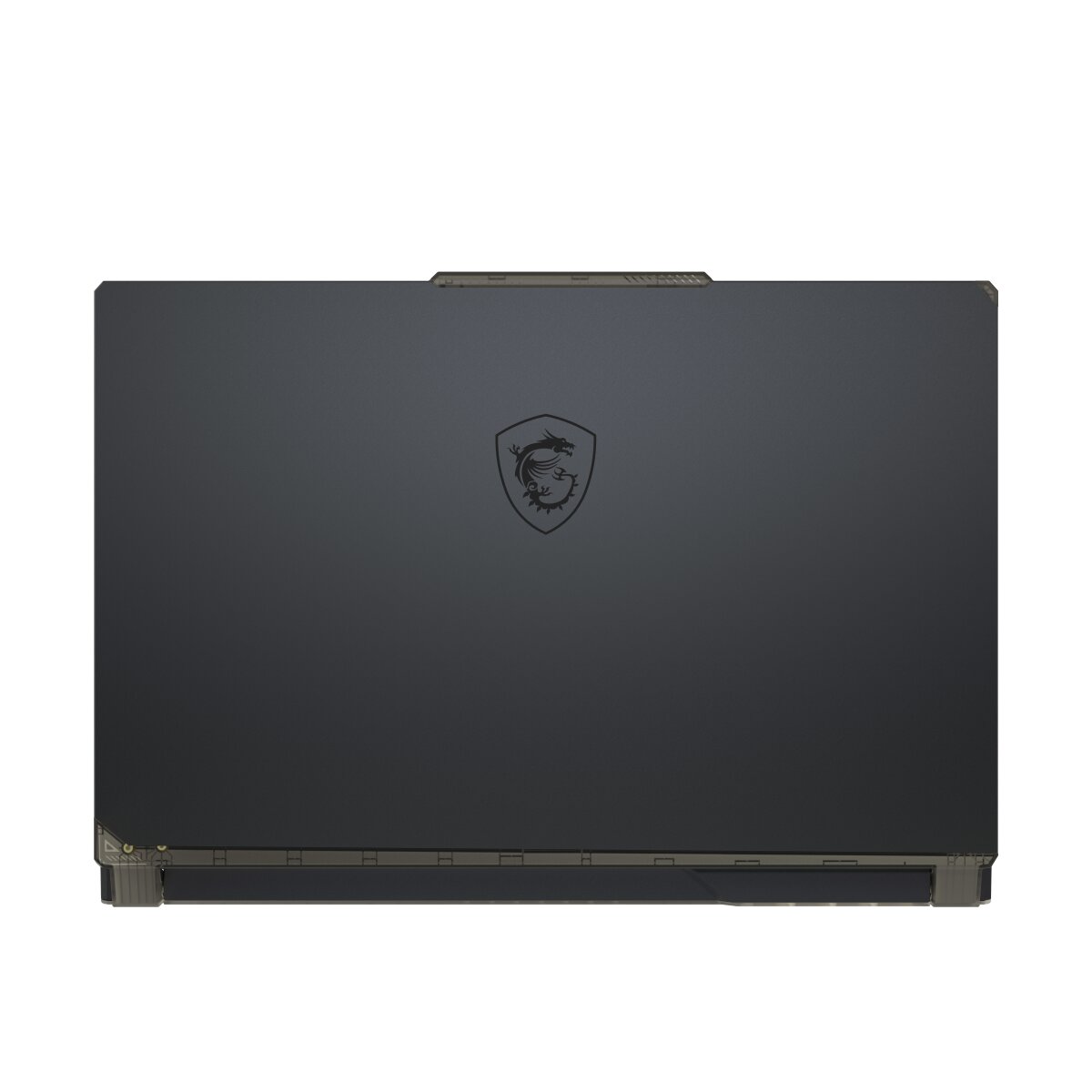
MSI Cyborg 15 A12VF-096 laptop supports DDR5-SDRAM memory upgrades through two SO-DIMM slots. Maximum RAM capacity reaches 64 GB with DDR5-4800 MHz specifications. Compatible memory modules utilize SO-DIMM form factor, enabling users to expand system memory for enhanced performance. Upgrade options allow installation of matching pairs to achieve maximum memory specifications on this gaming laptop model.
Memory Upgrade Specifications
| Specification | Value |
|---|---|
| Memory slots | 2x SO-DIMM |
| Form factor | SO-DIMM |
| Memory type | DDR5-SDRAM |
| Frequency | 4800 MHz |
| Maximum RAM | 64 GB |
| Voltage | 1.1V |
| Number of pins | 262-pin |
| Interface | PC5 |
| PC Speed Rating | PC5-4800 (PC5-38400) |
| Bandwidth | 38.4 GB/s |
| Laptop Release date | 01 March 2023 |
Additional Notes
- The MSI Cyborg 15 A12VF-096 requires DDR5 modules exclusively, preventing backward compatibility with any DDR4 inventory or modules from older systems.
- The 4800 MHz frequency represents the JEDEC baseline standard for DDR5, meaning higher-speed modules rated at 5200 MHz, 5600 MHz, or 6000 MHz will downclock to 4800 MHz if installed.
- The SO-DIMM form factor specification eliminates standard desktop DIMM modules from consideration despite matching DDR5 technology and frequency parameters.
- Dual-channel memory architecture becomes accessible only when populating both slots with matched capacity modules, while single-module configurations operate in single-channel mode with reduced memory bandwidth.
- The 64 GB maximum capacity constraint requires 32 GB modules per slot, as 48 GB or 64 GB single-module DDR5 SO-DIMMs remain commercially unavailable in the consumer market.
- Intel 12th generation platform memory controller specifications typically enforce voltage limitations at 1.1V for DDR5, restricting compatibility with overclocking-oriented XMP modules that may require 1.25V or higher.
- Bottom panel disassembly provides access to both memory slots on this chassis design, though warranty seals may be present depending on regional service policies.
- Mixing modules with different ranks (single-rank versus dual-rank) across the two slots can trigger stability issues or force operation at reduced frequencies below the 4800 MHz specification.
- The DDR5 architecture incorporates on-die ECC functionality at the hardware level, but consumer-grade implementations do not expose this feature for error reporting or correction visibility.
- Thermal considerations become relevant when installing 32 GB modules, as higher-density configurations generate increased heat output compared to 8 GB or 16 GB modules during sustained memory-intensive operations.