MSI Cyborg 15 A12VF-244XPT RAM upgrade specifications
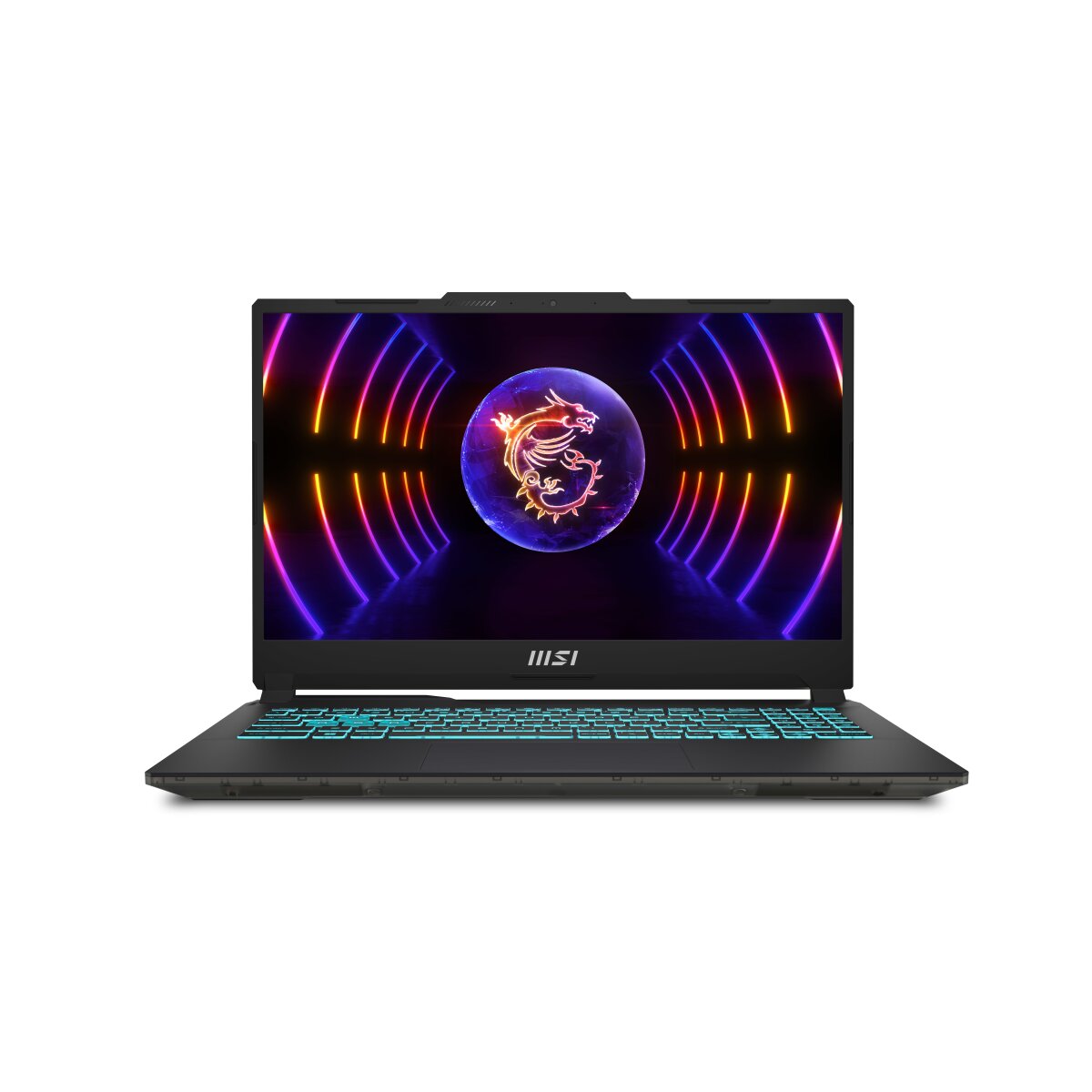
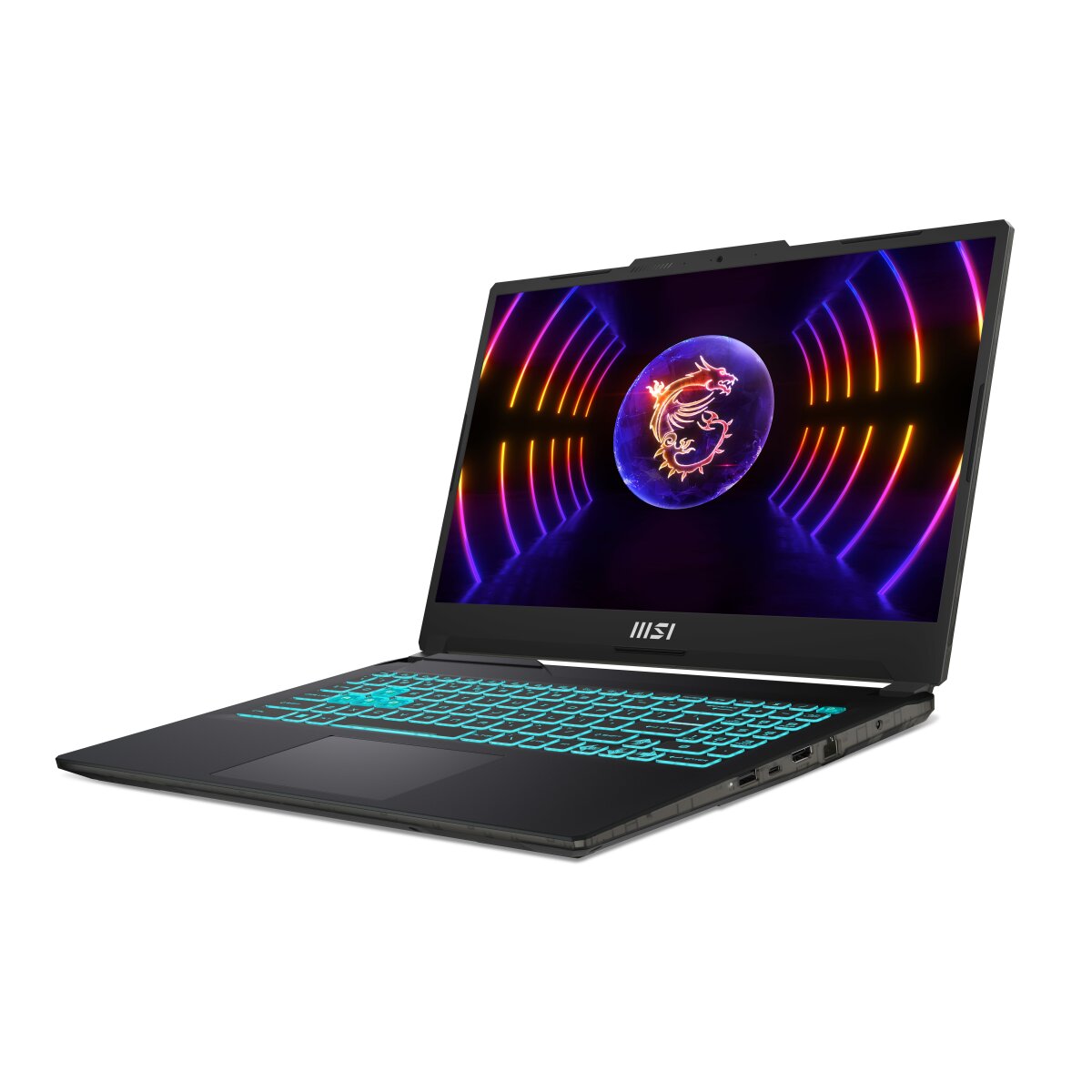
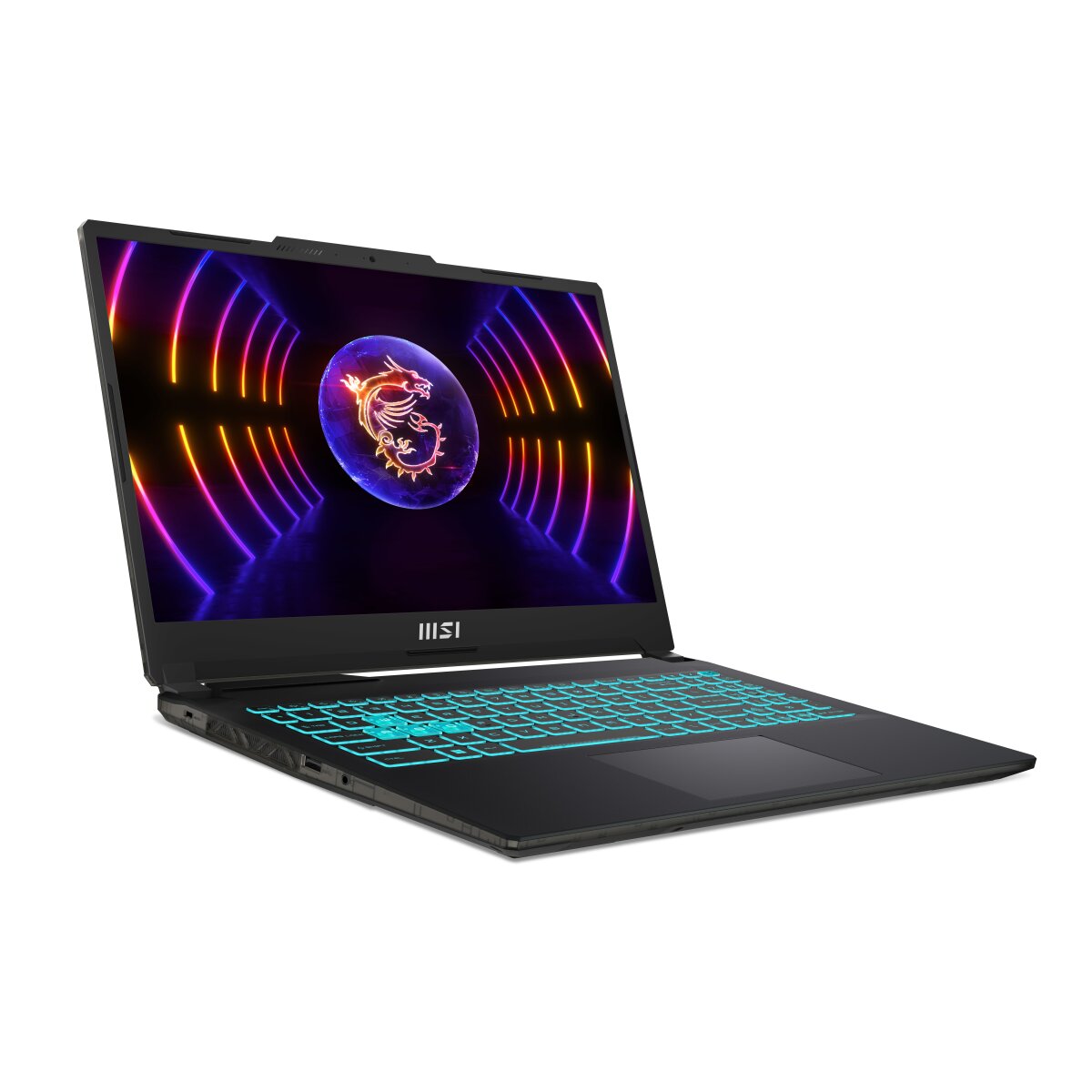
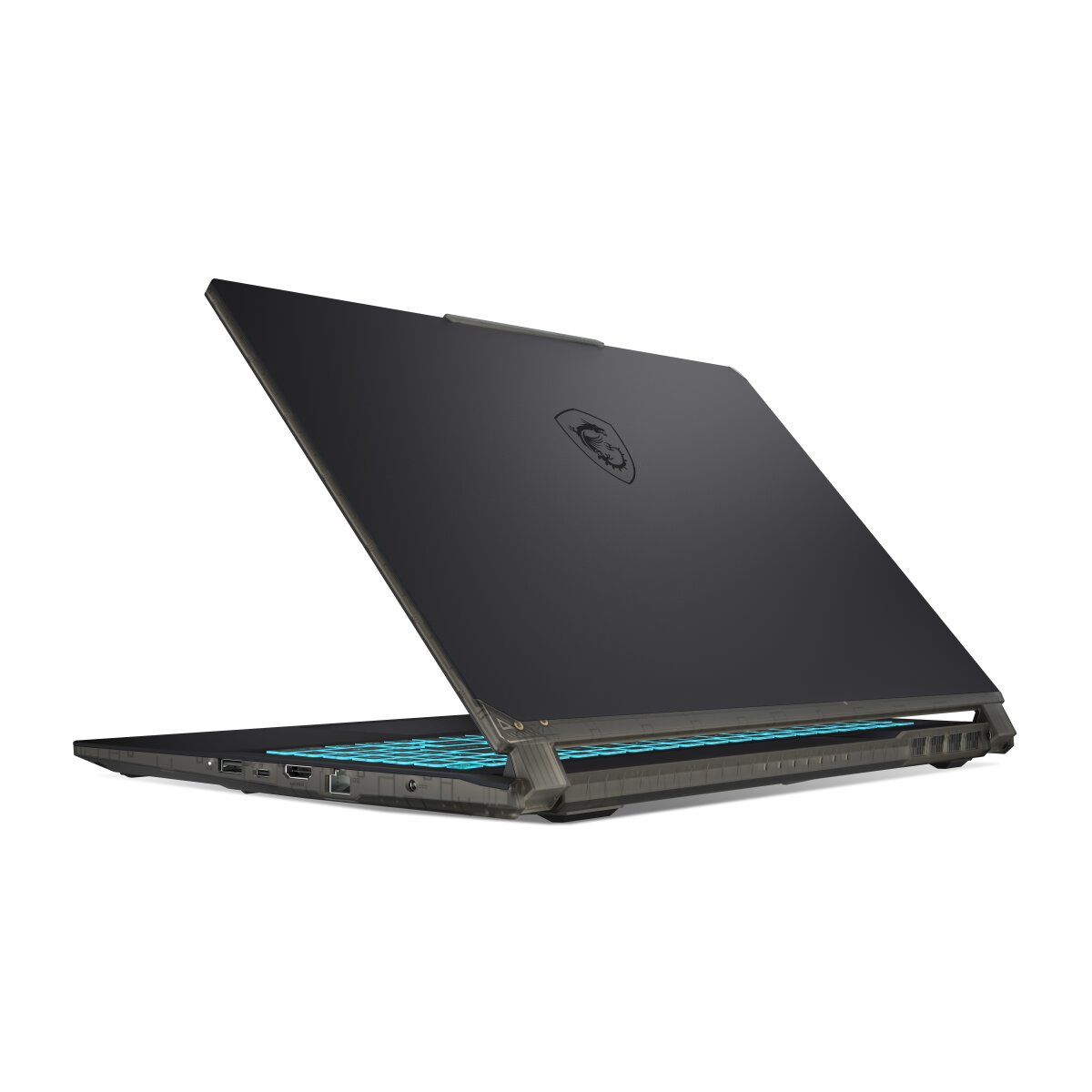
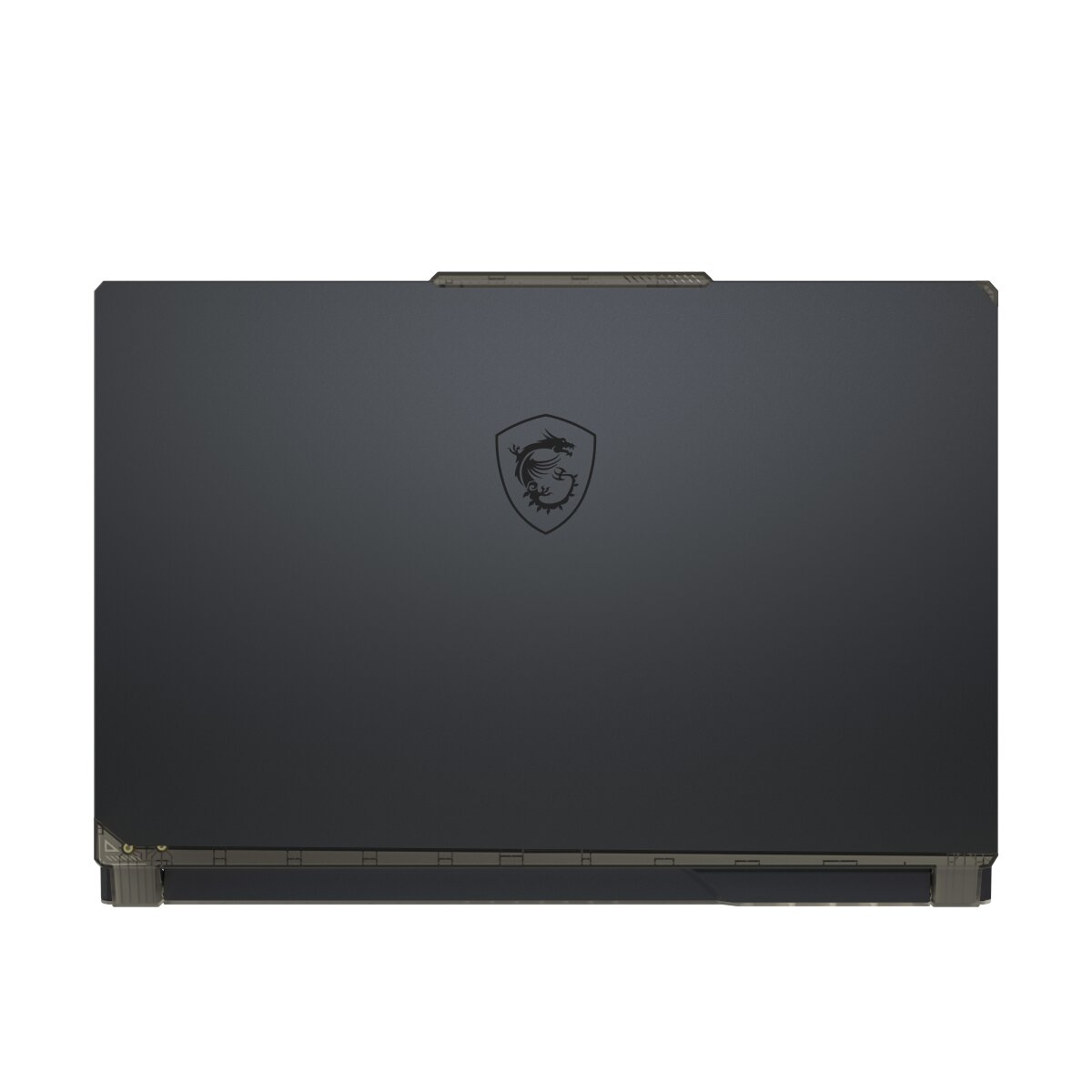
MSI Cyborg 15 A12VF-244XPT laptop memory upgrade specifications include two SO-DIMM slots supporting DDR5-SDRAM at 4800 MHz frequency. Maximum RAM capacity reaches 64 GB total. Compatible memory modules utilize SO-DIMM form factor. Upgrade options enable expansion from base configuration to full 64 GB capacity across dual memory slots. DDR5 specifications provide enhanced performance for system operation and application compatibility.
Memory Upgrade Specifications
| Specification | Value |
|---|---|
| Memory slots | 2x SO-DIMM |
| Form factor | SO-DIMM |
| Memory type | DDR5-SDRAM |
| Frequency | 4800 MHz |
| Maximum RAM | 64 GB |
| Voltage | 1.1V |
| Number of pins | 262-pin |
| Interface | PC5 |
| PC Speed Rating | PC5-4800 (PC5-38400) |
| Bandwidth | 38.4 GB/s |
| Laptop Release date | 29 March 2023 |
Additional Notes
- The MSI Cyborg 15 A12VF-244XPT accommodates DDR5 memory exclusively, rendering DDR4 modules incompatible regardless of physical appearance similarities.
- Dual SO-DIMM slots necessitate matched pair installation for optimal dual-channel performance; single-module configurations operate in single-channel mode with reduced bandwidth throughput.
- The 4800 MHz specification represents the JEDEC standard ceiling for DDR5; memory modules rated higher require BIOS validation to guarantee stability and may void warranty coverage if incompatible firmware is applied.
- A 64 GB total capacity ceiling indicates both SO-DIMM slots support 32 GB modules maximum, constraining future expansion beyond this threshold through physical design limitations.
- SO-DIMM form factor restricts upgrades to laptop-grade memory; desktop DDR5 DIMMs are physically incompatible due to notch positioning and pin configuration differences.
- Warranty preservation requires memory modules meeting MSI's qualified vendor list specifications; non-listed brands may trigger support denial despite technical compatibility.
- DDR5 technology introduces higher latency cycles compared to DDR4 equivalents at matched frequencies; raw bandwidth gains offset this characteristic in threaded workloads, but single-threaded operations show negligible improvements over prior-generation systems.