MSI Cyborg 15 A12VF-043US RAM upgrade specifications
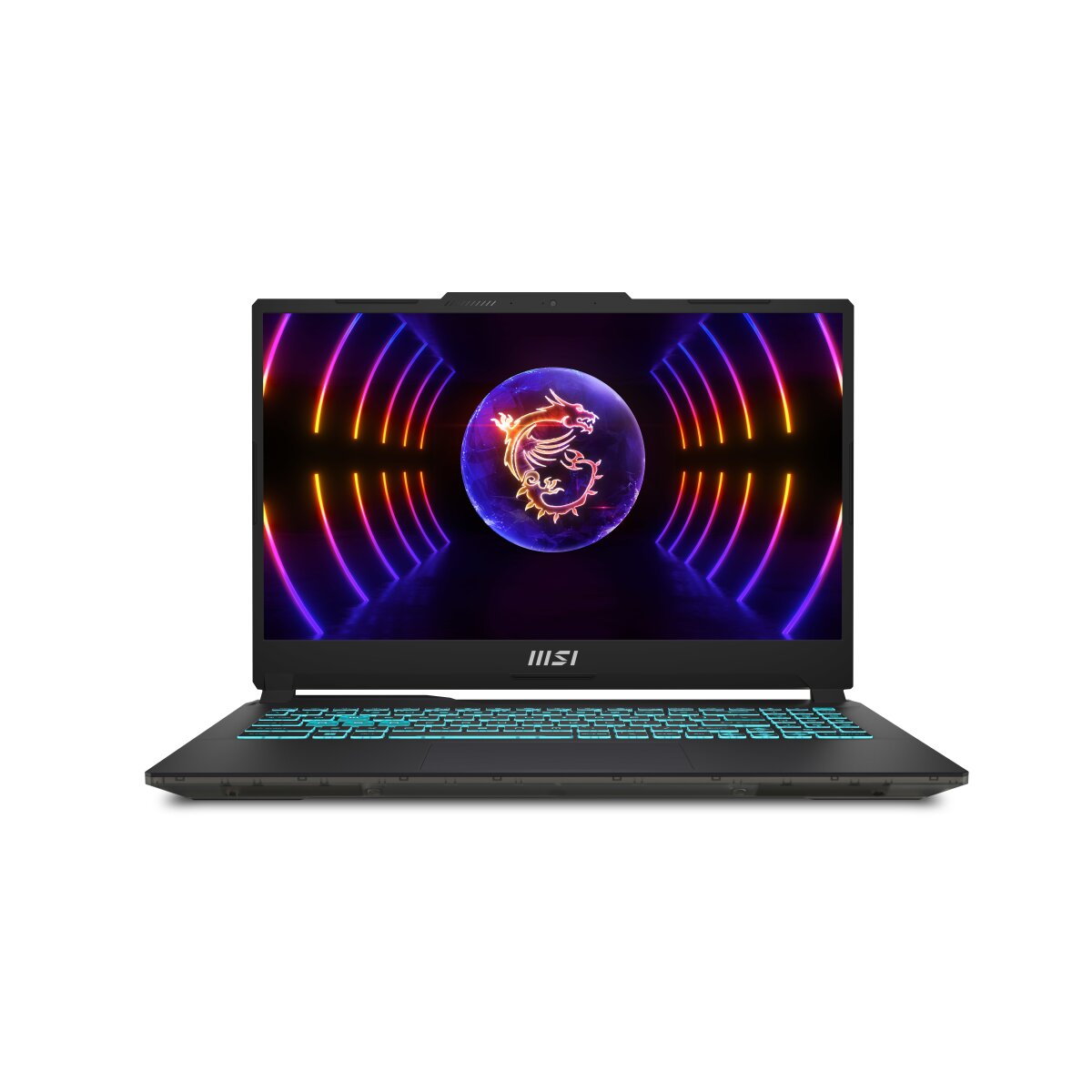
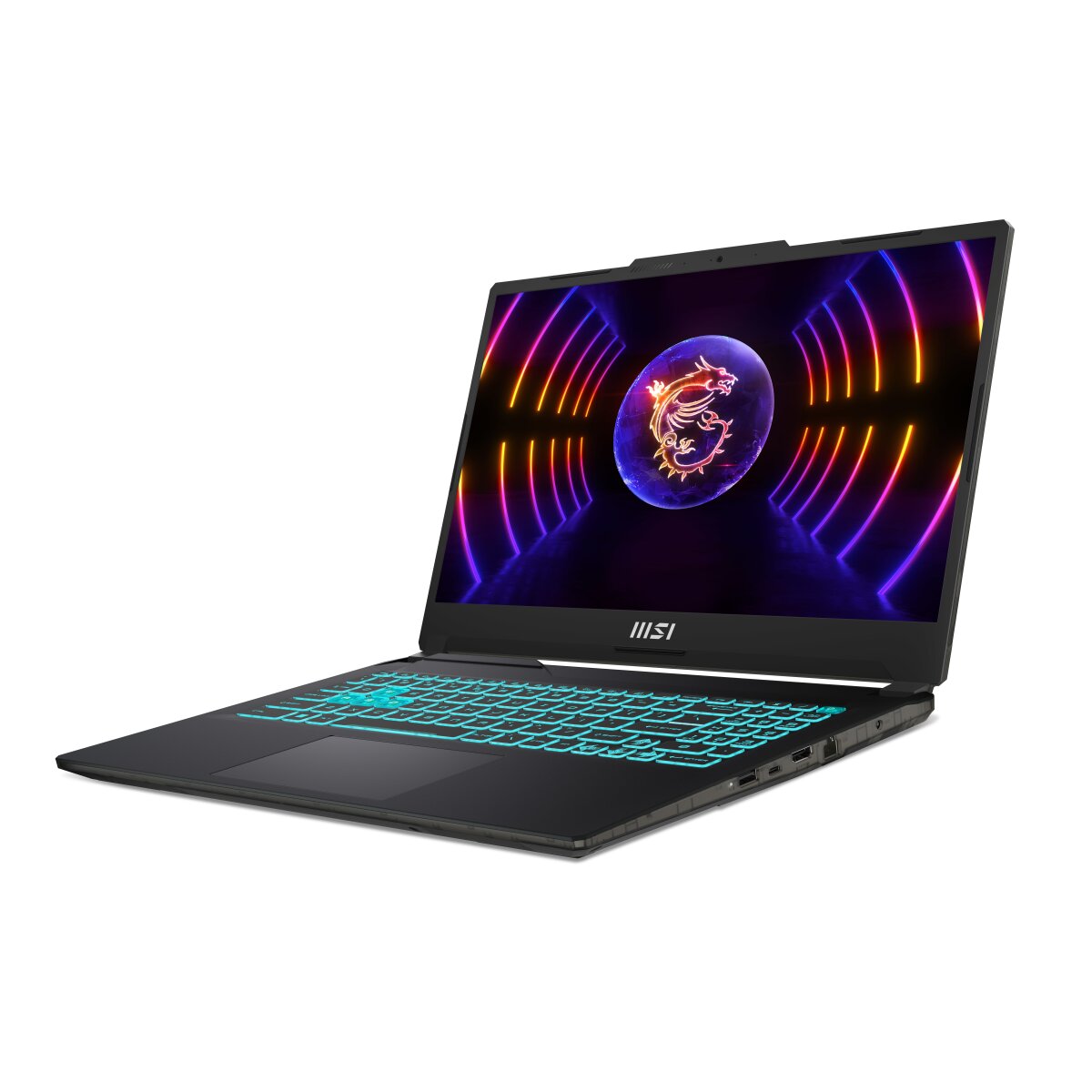
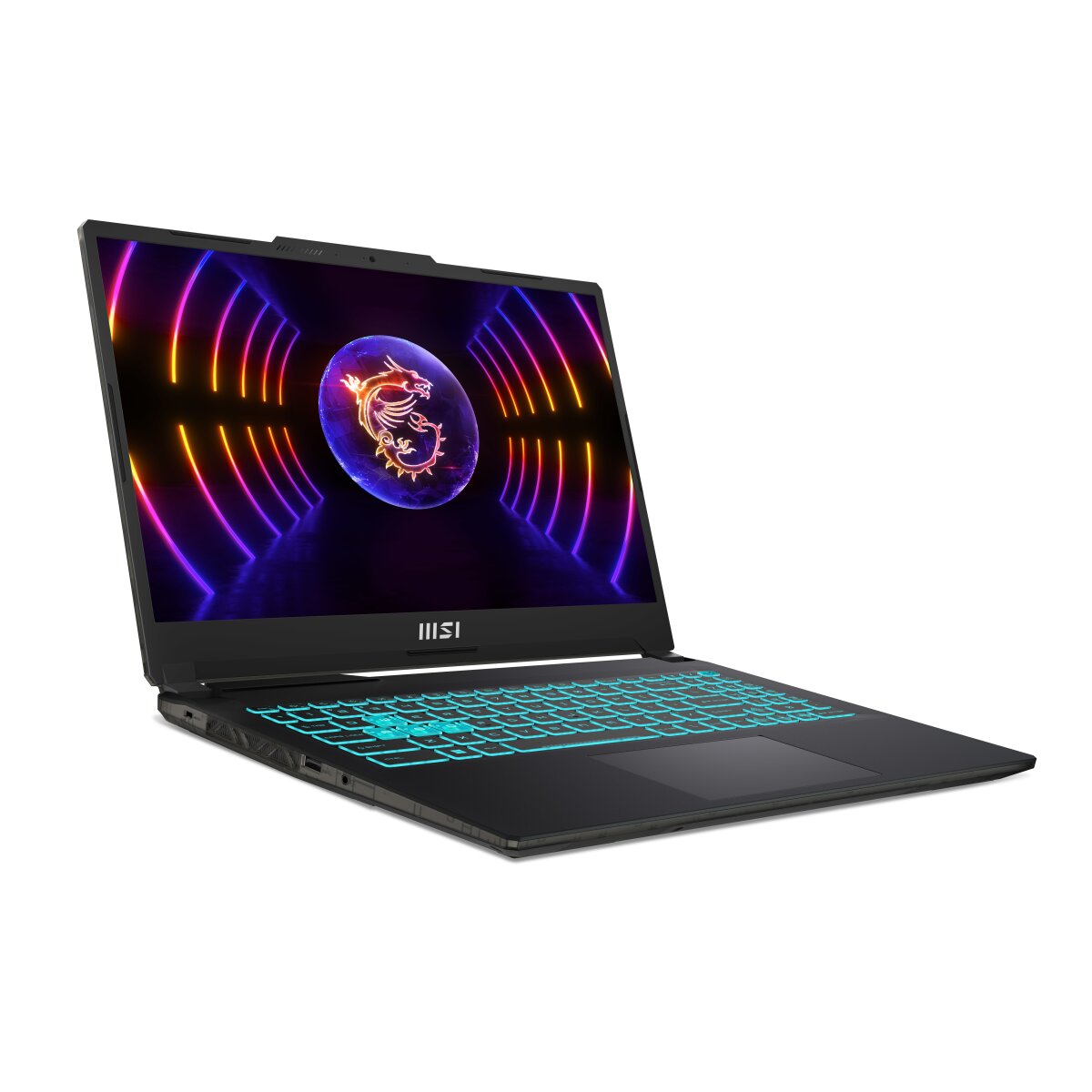
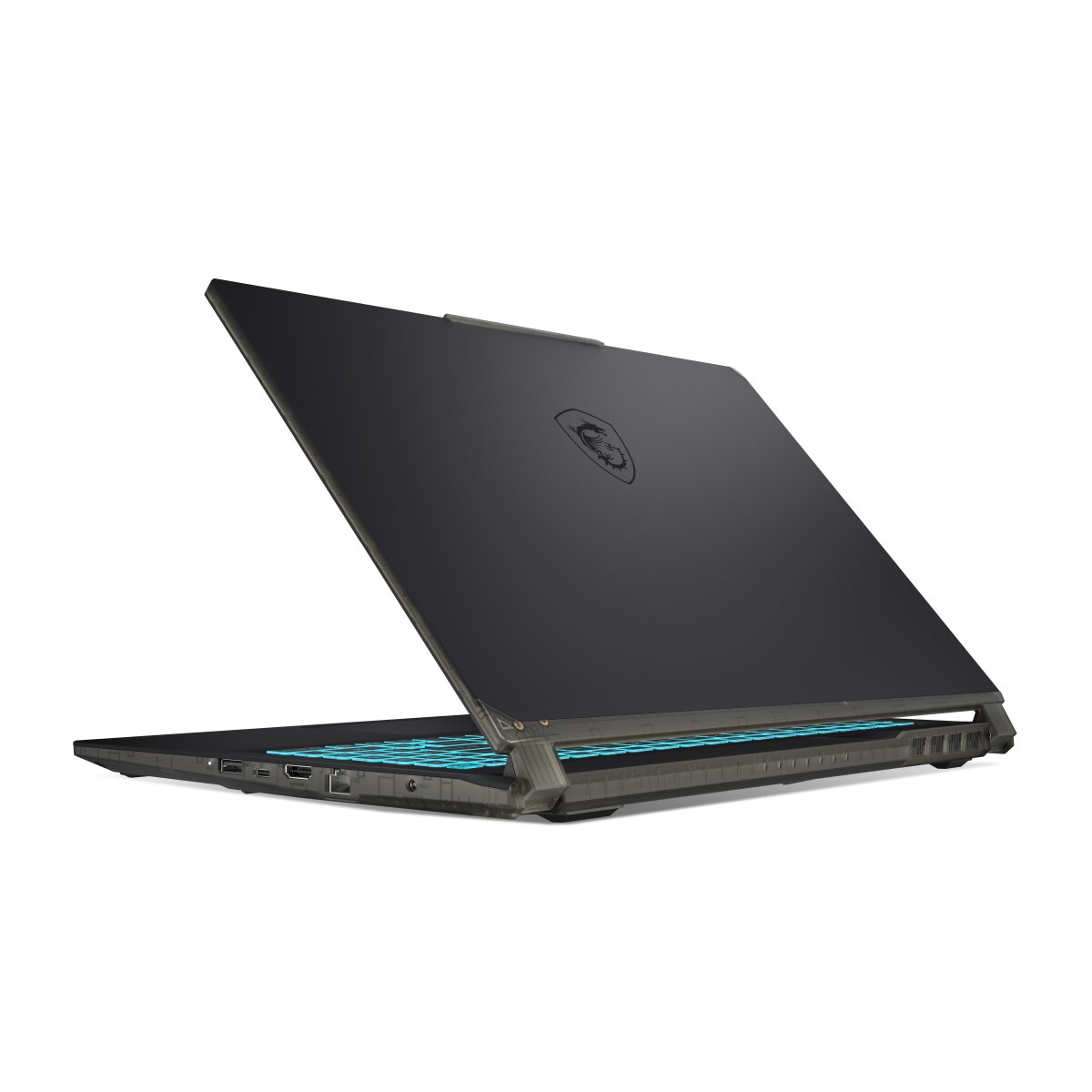
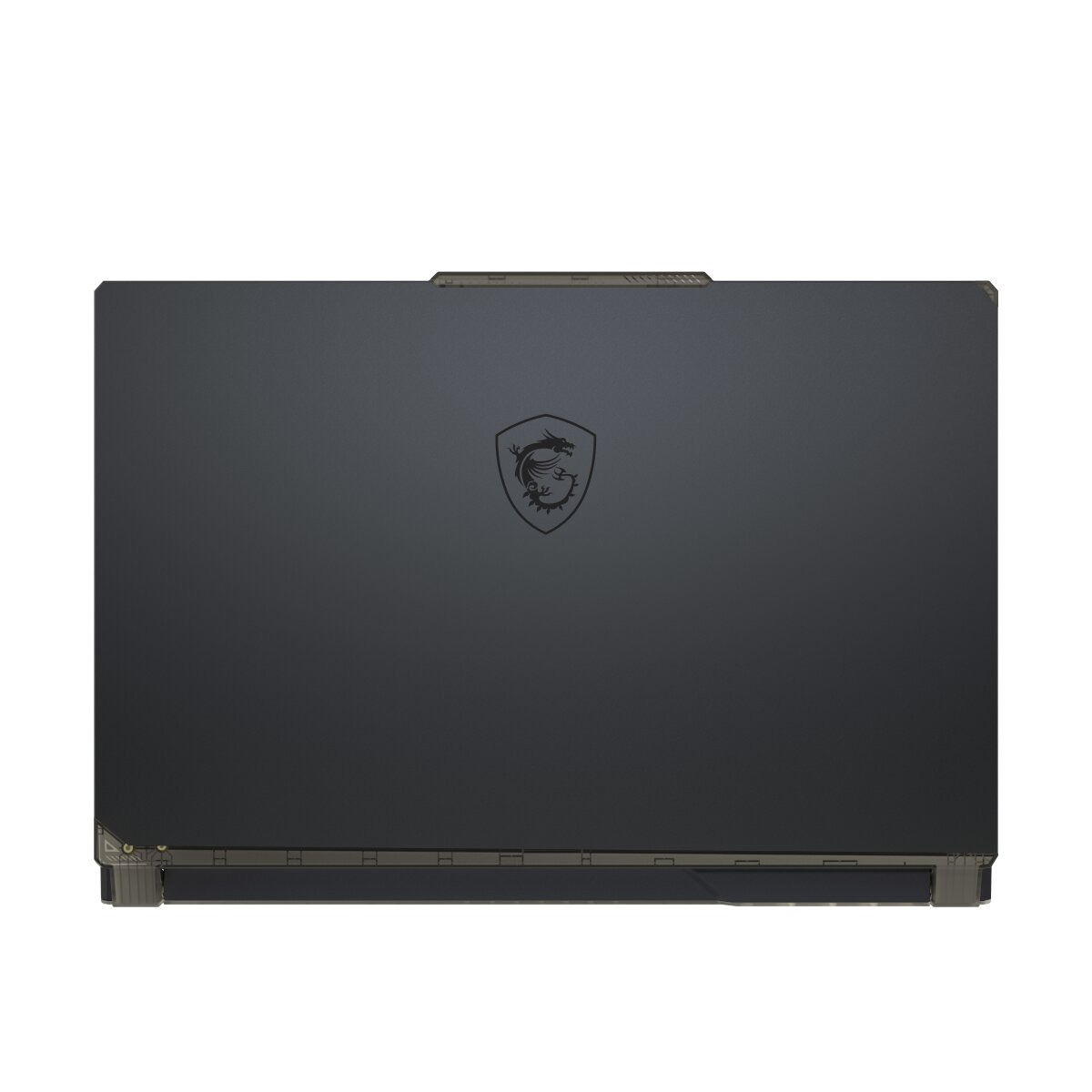
The MSI Cyborg 15 A12VF-043US laptop features DDR5-SDRAM memory upgrade specifications with two SO-DIMM slots supporting a maximum capacity of 64 GB total RAM. Memory modules operate at 4800 MHz frequency. The SO-DIMM form factor ensures compatibility with standard laptop memory upgrades. Current specifications outline the maximum memory configuration available for this MSI 15 series model, with slot availability allowing dual-module installation for optimal performance expansion.
Memory Upgrade Specifications
| Specification | Value |
|---|---|
| Memory slots | 2x SO-DIMM |
| Form factor | SO-DIMM |
| Memory type | DDR5-SDRAM |
| Frequency | 4800 MHz |
| Maximum RAM | 64 GB |
| Voltage | 1.1V |
| Number of pins | 262-pin |
| Interface | PC5 |
| PC Speed Rating | PC5-4800 (PC5-38400) |
| Bandwidth | 38.4 GB/s |
| Laptop Release date | 05 March 2023 |
Additional Notes
- The MSI Cyborg 15 A12VF-043US contains 2 SO-DIMM slots with no additional slots available, restricting future memory expansion to a single upgrade cycle before maximum capacity is reached.
- DDR5-4800 memory operates at higher latency cycles than DDR4 equivalents at similar speeds, creating potential performance trade-offs if the system was originally configured with lower-latency modules.
- SO-DIMM form factor limits replacement options to laptop-grade modules, eliminating the possibility of installing desktop DDR5 modules even if physical space permitted.
- The 64 GB maximum capacity ceiling means users cannot exceed this threshold regardless of future DDR5 speed improvements or higher-density modules released after this model's production window.
- Upgrading to dual 32 GB SO-DIMM modules requires removing existing memory entirely, as the 2-slot architecture offers no temporary overflow capacity during installation.
- DDR5-4800 specification suggests Intel 12th-generation processor compatibility, meaning memory controller bandwidth saturates at this frequency and faster DDR5 modules provide no practical advantage.
- Factory-installed memory configuration typically uses single-rank modules, so matching rank configuration during upgrades prevents potential suboptimal performance or compatibility issues with the memory controller.