MSI Cyborg 15 A12VF-039 RAM upgrade specifications




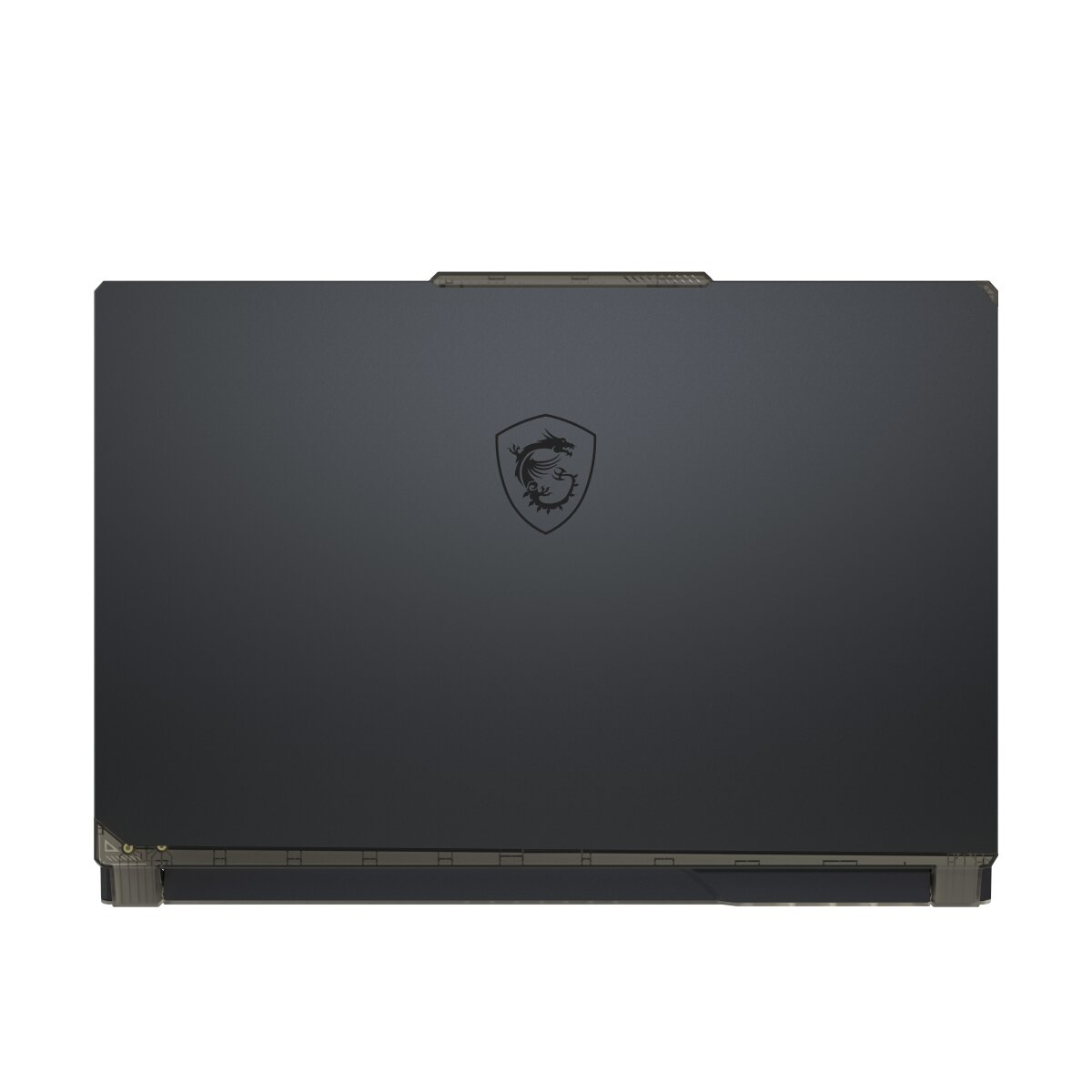
MSI Cyborg 15 A12VF-039 laptop RAM upgrade specifications include two SO-DIMM slots supporting DDR5-SDRAM memory modules. The maximum RAM capacity reaches 64 GB total, with compatible memory operating at 4800 MHz frequency. Upgrade specifications indicate DDR5 SO-DIMM form factor compatibility for the MSI 15 series model. Standard memory configurations support expansion through both available slots, allowing users to increase total system RAM capacity up to the maximum supported 64 GB threshold for enhanced multitasking performance and data processing capabilities.
Memory Upgrade Specifications
| Specification | Value |
|---|---|
| Memory slots | 2x SO-DIMM |
| Form factor | SO-DIMM |
| Memory type | DDR5-SDRAM |
| Frequency | 4800 MHz |
| Maximum RAM | 64 GB |
| Voltage | 1.1V |
| Number of pins | 262-pin |
| Interface | PC5 |
| PC Speed Rating | PC5-4800 (PC5-38400) |
| Bandwidth | 38.4 GB/s |
| Laptop Release date | 01 March 2023 |
Additional Notes
- The MSI Cyborg 15 A12VF-039 memory controller supports dual-channel architecture through its 2 SO-DIMM slots, enabling theoretical bandwidth of 76.8 GB/s when both channels operate simultaneously with matched modules.
- Mixing different capacity modules will maintain dual-channel operation but may trigger asymmetric or flex mode, potentially reducing memory interleaving efficiency in memory-intensive workloads.
- The 64 GB maximum capacity indicates chipset-level addressing limitations, requiring 32 GB modules per slot to reach the upper boundary while maintaining dual-channel performance.
- DDR5-4800 represents JEDEC baseline specification, meaning the platform does not support XMP or overclocked profiles beyond this frequency threshold without potential stability compromise.
- SO-DIMM installation requires accessing the bottom panel, where warranty seals may be present depending on regional regulations and manufacturer policies.
- The DDR5 standard operates at 1.1V by default, reducing thermal output compared to previous generation memory but increasing sensitivity to electrical noise from adjacent components.
- Single versus dual module configurations create significant performance disparities, with single-channel operation halving available memory bandwidth to approximately 38.4 GB/s.
- DDR5 on-die ECC operates transparently at the DRAM level but does not provide system-level error reporting available in server-grade unbuffered ECC modules.
- Module height constraints in laptop chassis typically limit compatibility to standard profile SO-DIMMs, excluding taller variants with extended heat spreaders.
- The 4800 MHz data rate translates to an effective clock cycle time of approximately 0.625 nanoseconds, impacting minimum latency thresholds for memory access operations.