MSI Cyborg 15 A12VF-033XES RAM upgrade specifications
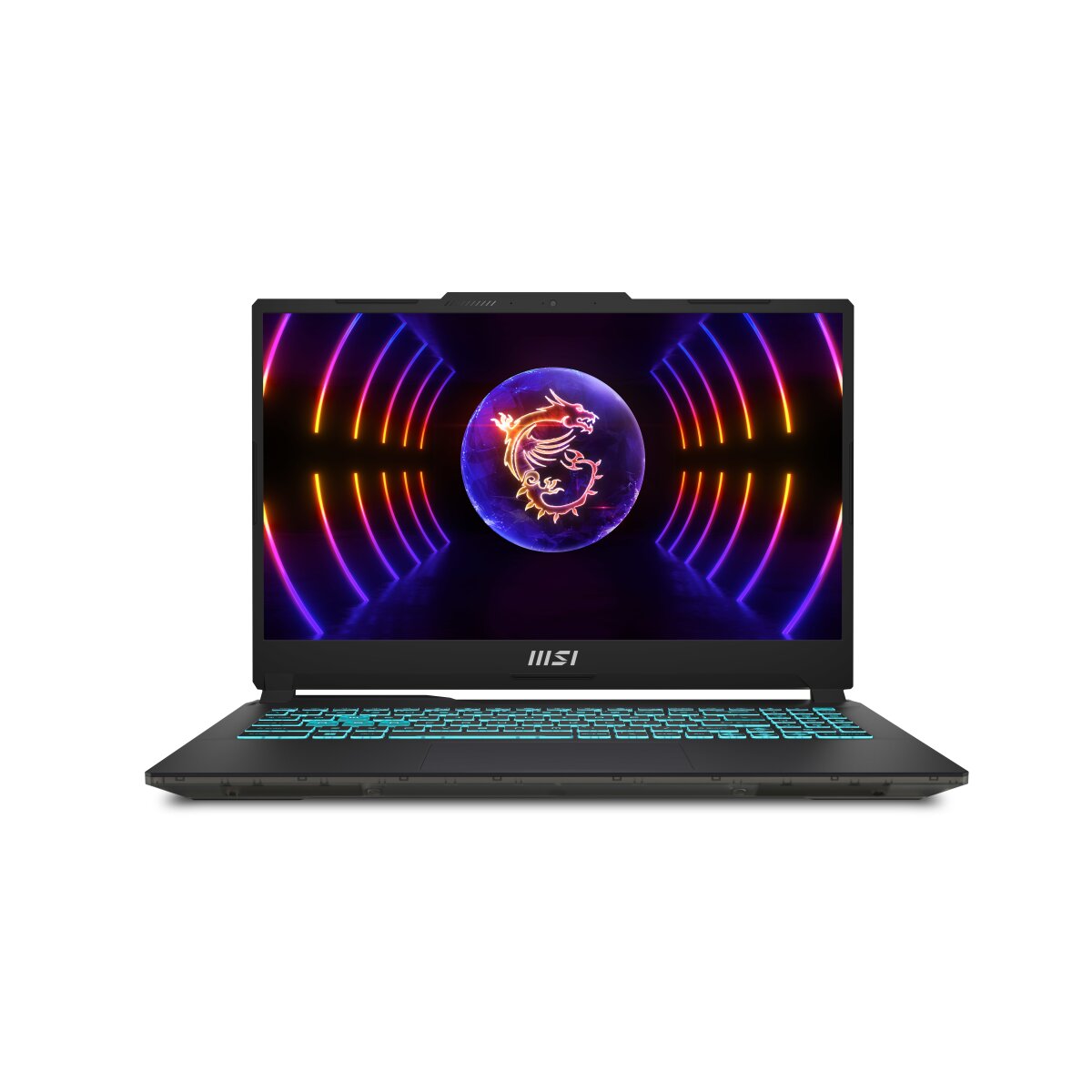

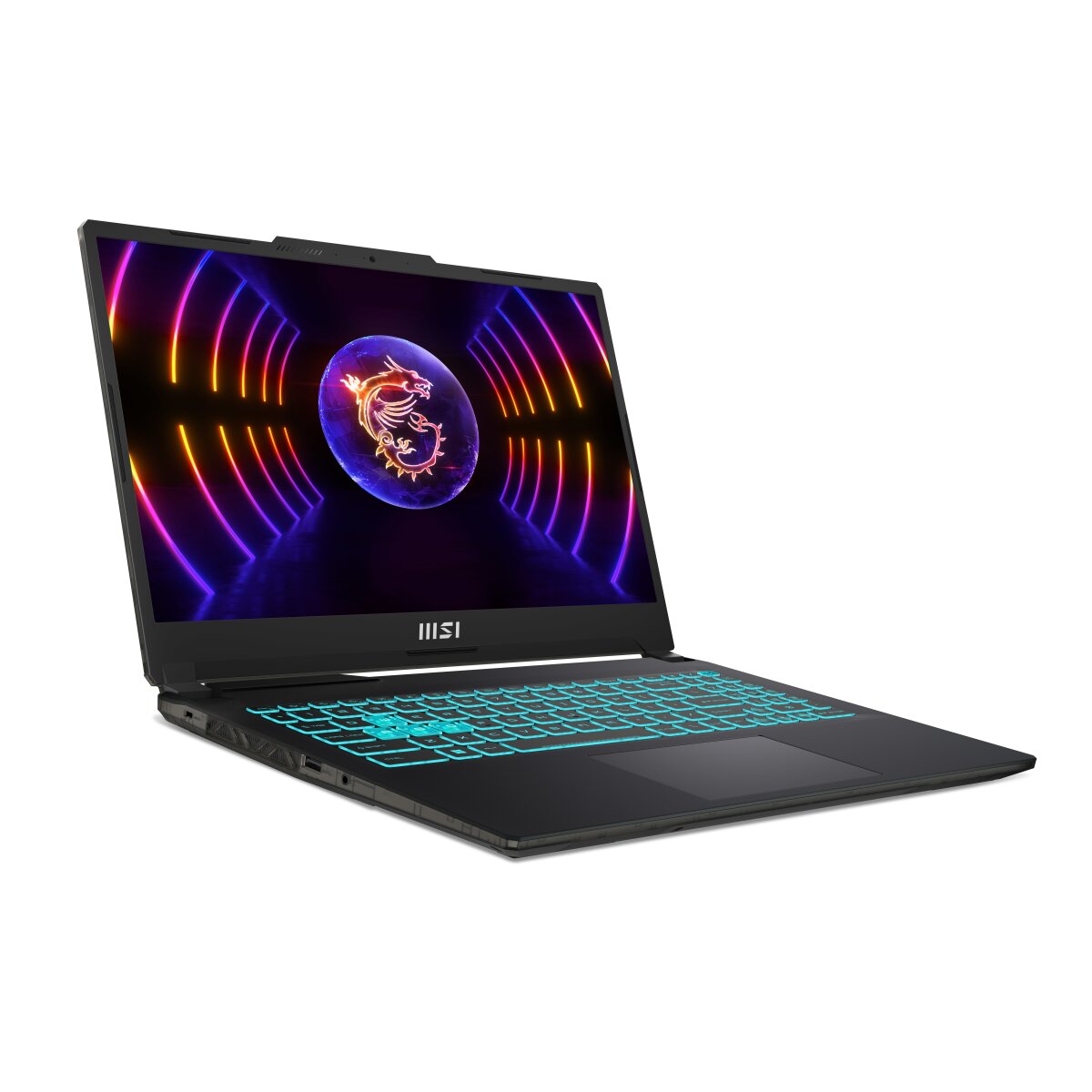
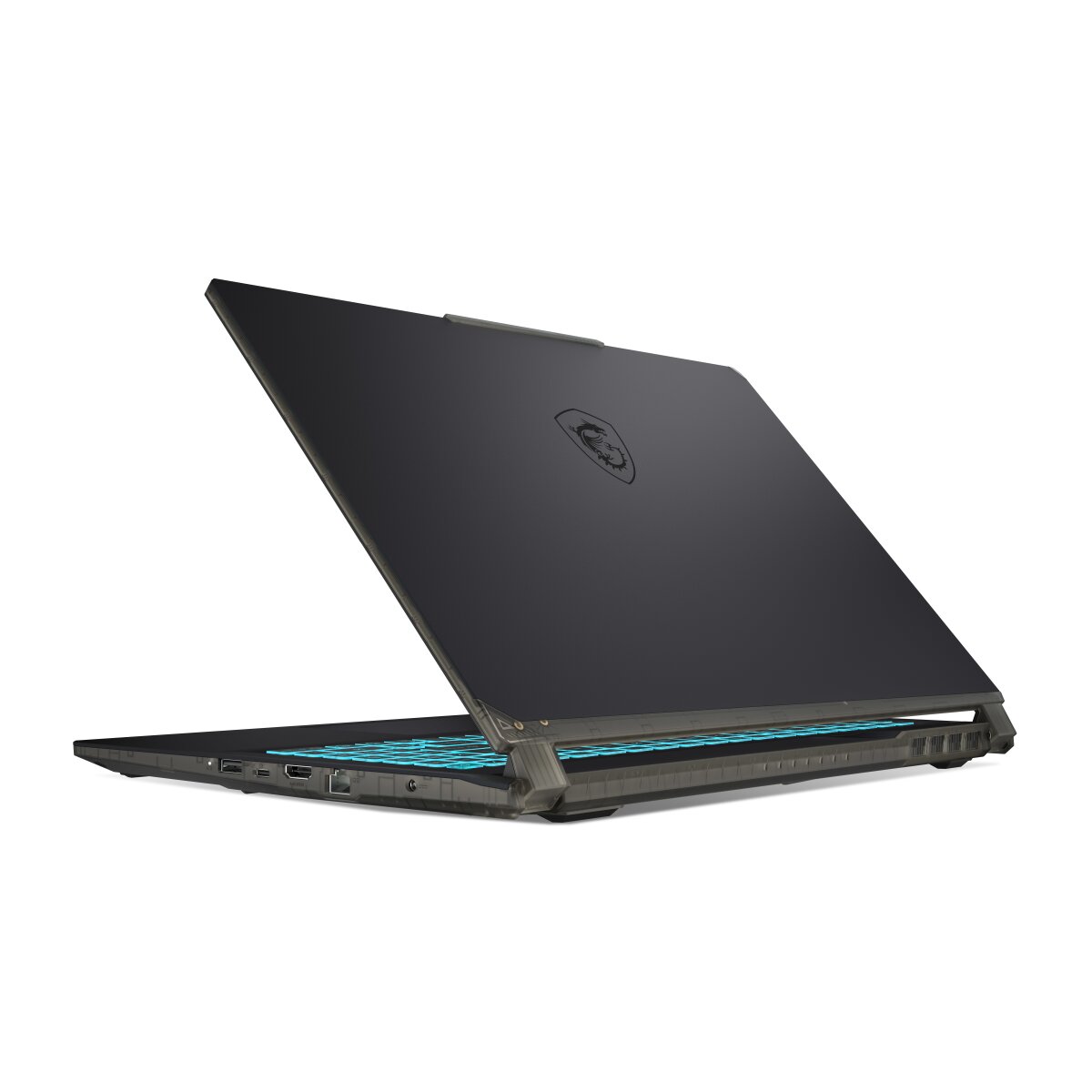
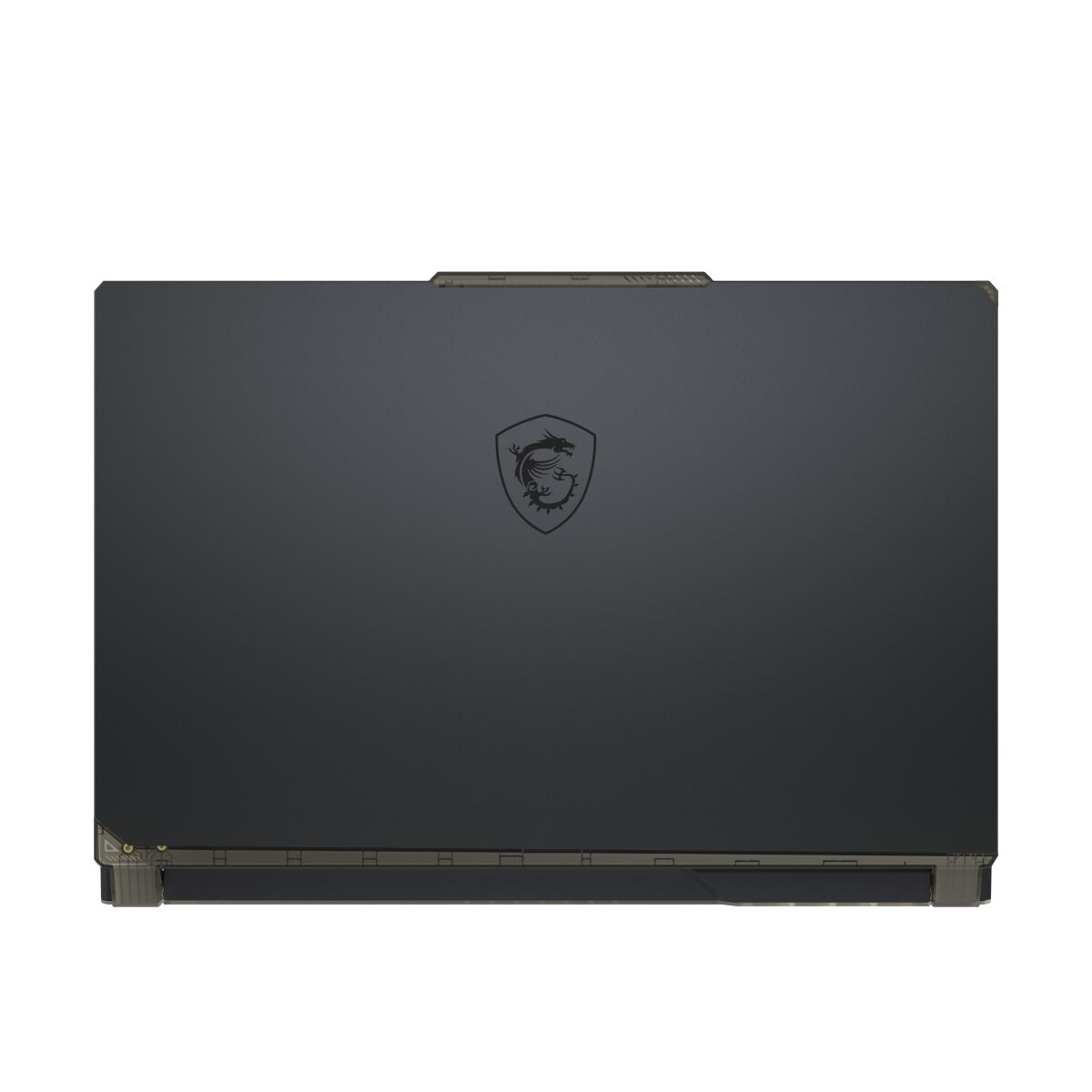
MSI 15 A12VF-033XES Cyborg series laptop RAM upgrade specifications include DDR5-SDRAM memory compatibility with 2x SO-DIMM slots. Maximum supported capacity reaches 64 GB total memory. Upgrade modules feature 4800 MHz frequency specifications. Compatible memory form factor is SO-DIMM, enabling replacement or expansion of existing RAM modules for enhanced system performance and multitasking capabilities.
Memory Upgrade Specifications
| Specification | Value |
|---|---|
| Memory slots | 2x SO-DIMM |
| Form factor | SO-DIMM |
| Memory type | DDR5-SDRAM |
| Frequency | 4800 MHz |
| Maximum RAM | 64 GB |
| Voltage | 1.1V |
| Number of pins | 262-pin |
| Interface | PC5 |
| PC Speed Rating | PC5-4800 (PC5-38400) |
| Bandwidth | 38.4 GB/s |
| Laptop Release date | 25 March 2023 |
Additional Notes
- The MSI Cyborg 15 A12VF-033XES supports DDR5 SO-DIMM modules exclusively, preventing the use of any DDR4 or earlier generation memory due to physical notch differences and voltage incompatibility.
- With 2 SO-DIMM slots and a 64 GB ceiling, dual-channel configuration requires matched 32 GB modules to reach maximum capacity, while unmatched module sizes will force asymmetric operation and reduced memory interleaving efficiency.
- The 4800 MHz specification represents JEDEC standard DDR5 base frequency, meaning modules rated at higher speeds such as 5200 MHz or 5600 MHz will downclock to 4800 MHz unless the system firmware permits XMP or EXPO profile activation.
- DDR5 SO-DIMM modules operate at 1.1 volts compared to DDR4's 1.2 volts, reducing thermal output but requiring motherboard chipset compatibility that older generation platforms cannot provide even with physical adapter solutions.
- Accessing both memory slots may require partial disassembly including bottom panel removal, and some configurations position one slot beneath the cooling assembly or other components that extend removal complexity.
- Installing non-matching memory brands or modules with different primary timings can trigger stability issues in DDR5 systems due to stricter on-die ECC requirements and more complex power management compared to DDR4 architectures.
- The 64 GB limit stems from controller addressing capabilities within the 12th generation Intel platform, preventing recognition of theoretical 48 GB per slot DDR5 modules even if physically installed.
- Memory bandwidth scales with populated slots, where dual-channel configuration with 2 modules delivers approximately double the throughput compared to single-module installation despite identical frequency ratings.
- Third-party memory installation typically preserves manufacturer warranty coverage for the base system, though damage directly caused by improper installation procedures or incompatible modules may void specific component protections.
- DDR5's integrated voltage regulation moves power management from the motherboard to individual modules, meaning defective RAM can cause boot failures that mimic motherboard issues during troubleshooting procedures.