MSI Gaming GE62 6QD-037FR Apache Pro RAM upgrade specifications
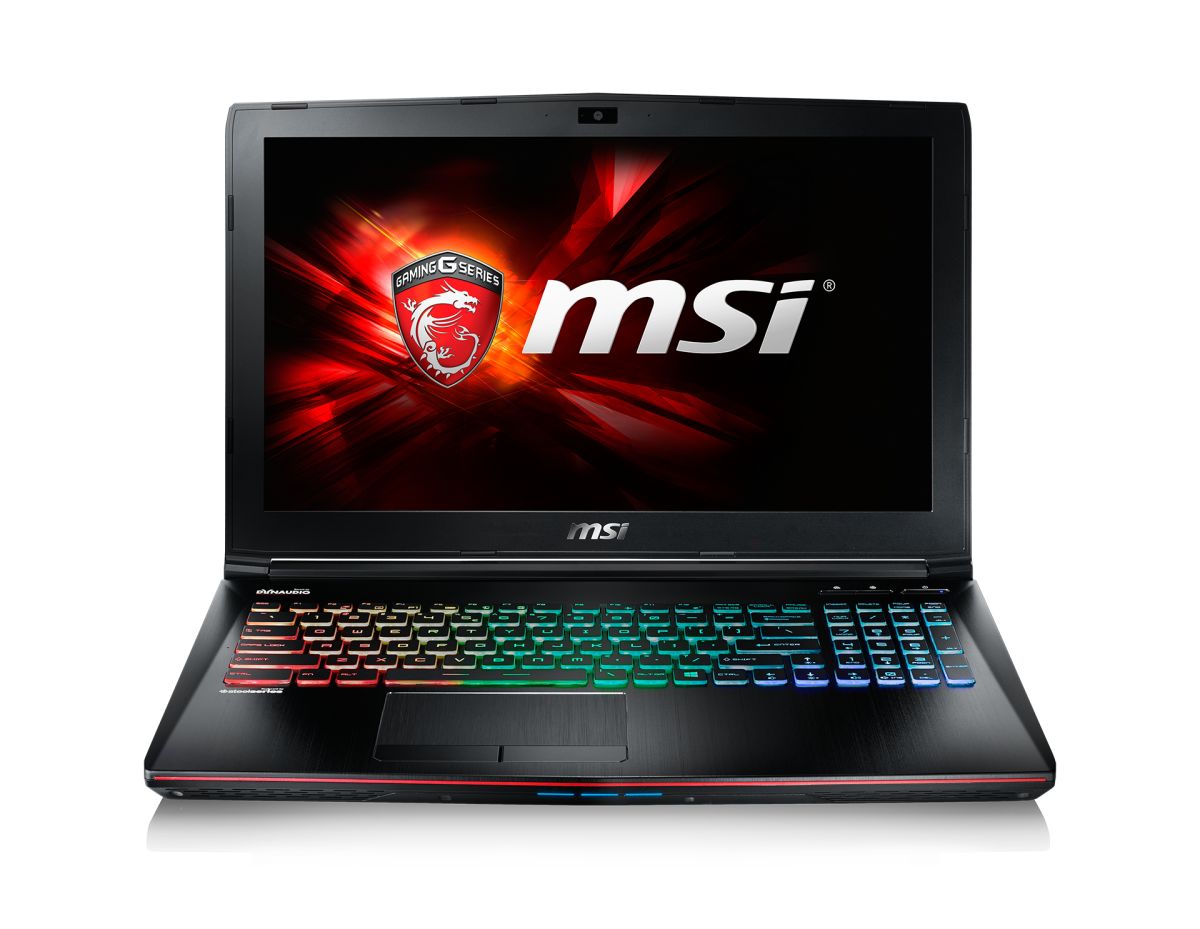
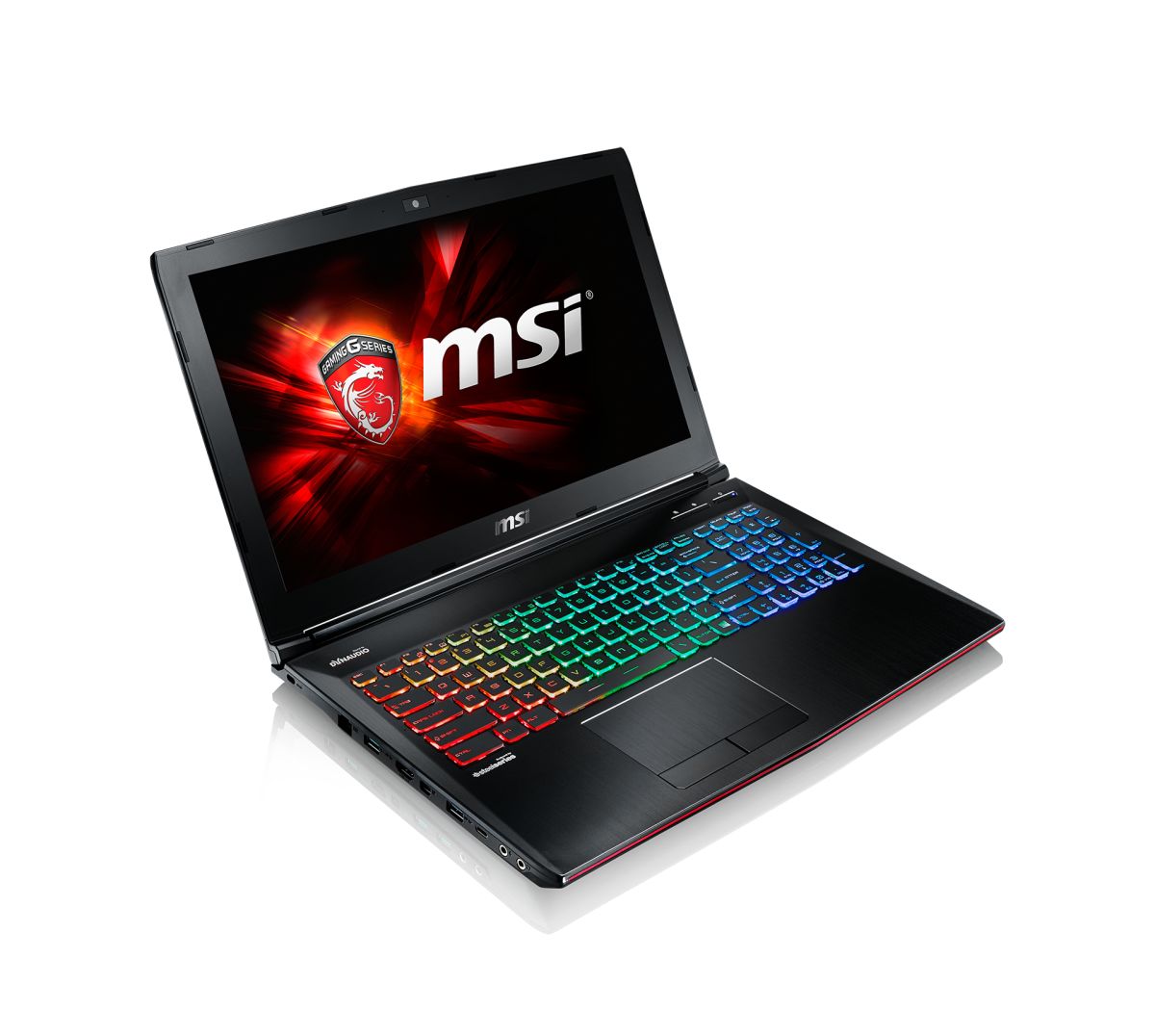
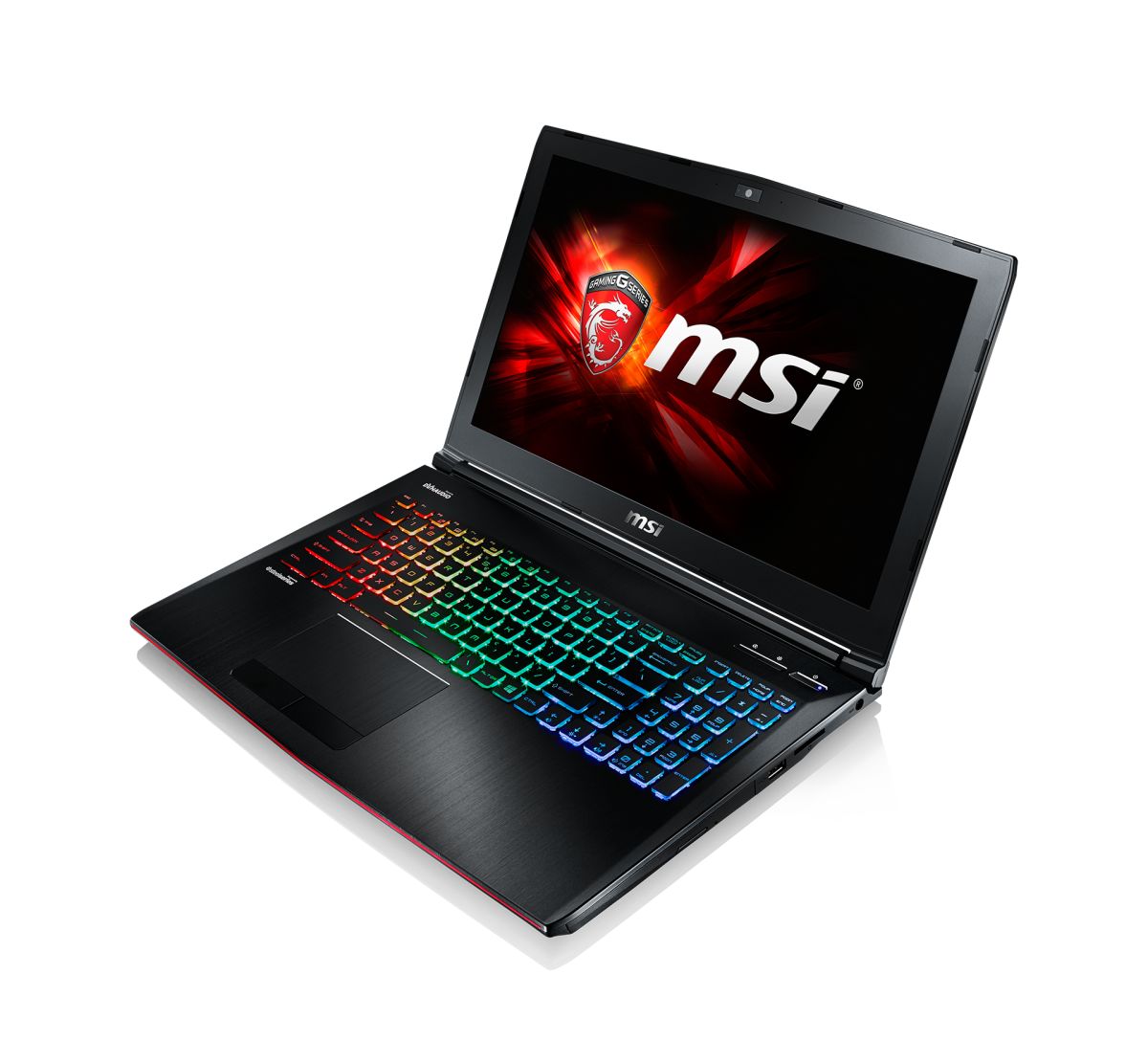
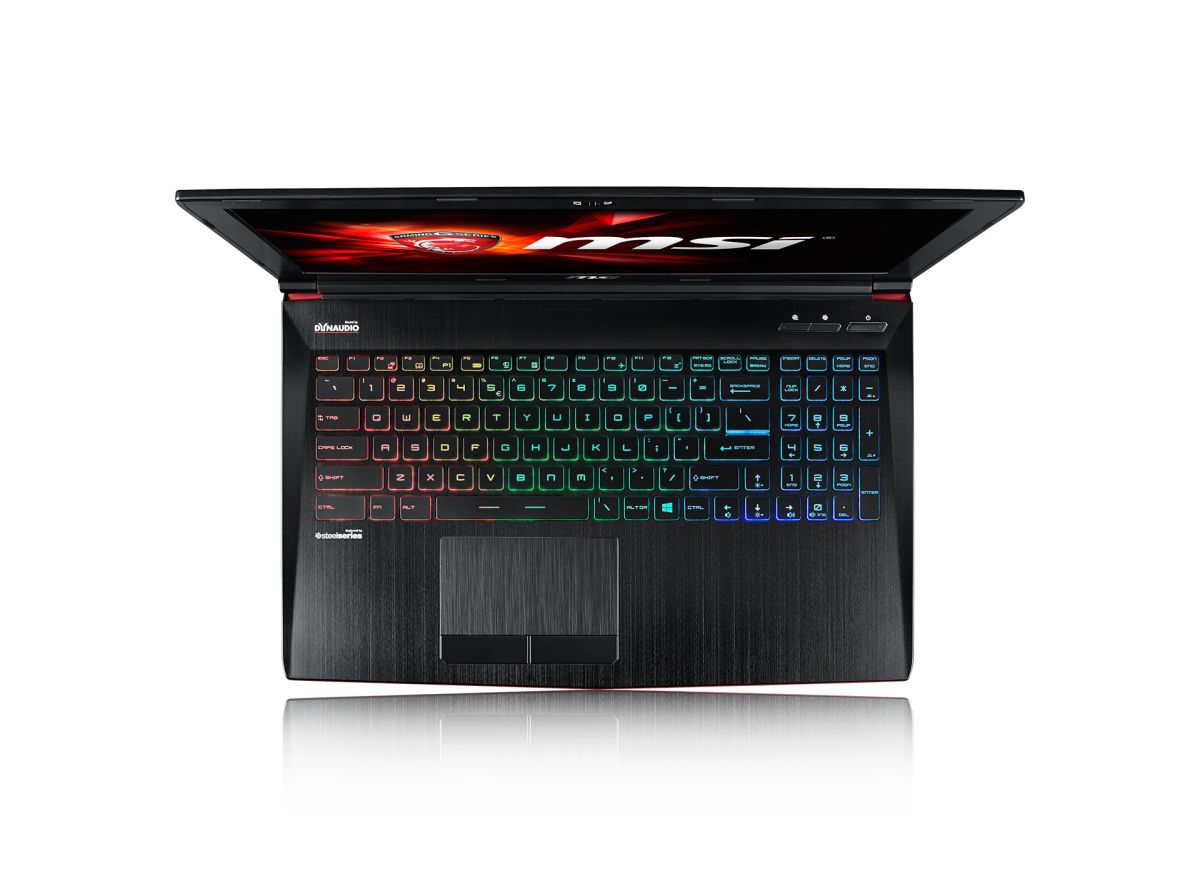
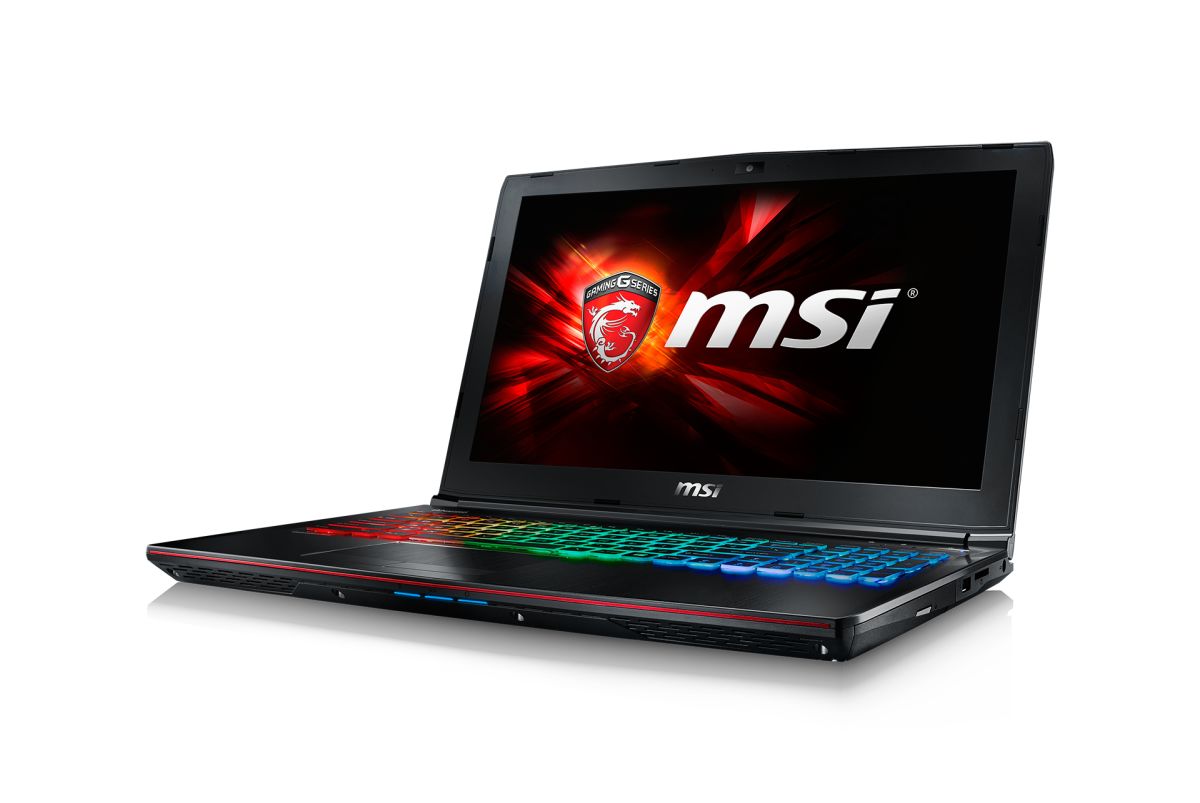
The MSI GE62 6QD-037FR Apache Pro gaming laptop features DDR4-SDRAM memory with 2x SO-DIMM slots supporting a maximum RAM capacity of 32 GB. The memory upgrade operates at 2133 MHz frequency with SO-DIMM form factor. Compatible memory modules can be installed to expand the laptop's RAM specifications for enhanced system performance and multitasking capabilities.
Memory Upgrade Specifications
| Specification | Value |
|---|---|
| Memory slots | 2x SO-DIMM |
| Form factor | SO-DIMM |
| Memory type | DDR4-SDRAM |
| Frequency | 2133 MHz |
| Maximum RAM | 32 GB |
| Voltage | 1.2V |
| Number of pins | 260-pin |
| Interface | PC4 |
| PC Speed Rating | PC4-2133 (PC4-17064) |
| Bandwidth | 17.1 GB/s |
| Laptop Release date | 10 March 2016 |
Additional Notes
- The MSI GE62 6QD-037FR Apache Pro uses DDR4 technology, which operates at a lower voltage than DDR3, reducing heat generation during extended gaming sessions while maintaining stability under load.
- The 2133 MHz frequency represents the baseline JEDEC standard for DDR4, offering backward compatibility with modules rated at higher speeds that will downclock to match the system's supported frequency.
- Both memory channels must be populated with identical capacity modules to enable dual-channel operation, which doubles the theoretical memory bandwidth from approximately 17 GB/s to 34 GB/s.
- The 32 GB ceiling requires two 16 GB SO-DIMM modules, which may be more expensive per gigabyte compared to purchasing four 8 GB modules in desktop configurations.
- Sixth-generation Intel Core processors paired with DDR4-2133 create a potential bandwidth limitation for GPU-intensive tasks, as faster DDR4-2400 or DDR4-2666 speeds are common in later generations.
- The SO-DIMM form factor necessitates accessing the laptop's bottom panel, which typically requires removing multiple screws and potentially voiding warranty seals depending on regional regulations.
- Memory modules with aggressive heat spreaders or taller profiles may encounter physical clearance issues with the laptop's internal chassis, making low-profile SO-DIMMs the safer installation choice.
- Mixing modules with different timings or densities can force all memory to operate at the slowest common specifications, reducing performance below the rated 2133 MHz frequency.
- The dual-slot configuration leaves no room for future expansion beyond the initial upgrade, making capacity planning essential before purchase.
- Non-ECC unbuffered modules are required for consumer laptop compatibility, as registered or error-correcting memory types will not function in this platform.