MSI Gaming GE62 6QD(Apache Pro)-670XFR RAM upgrade specifications
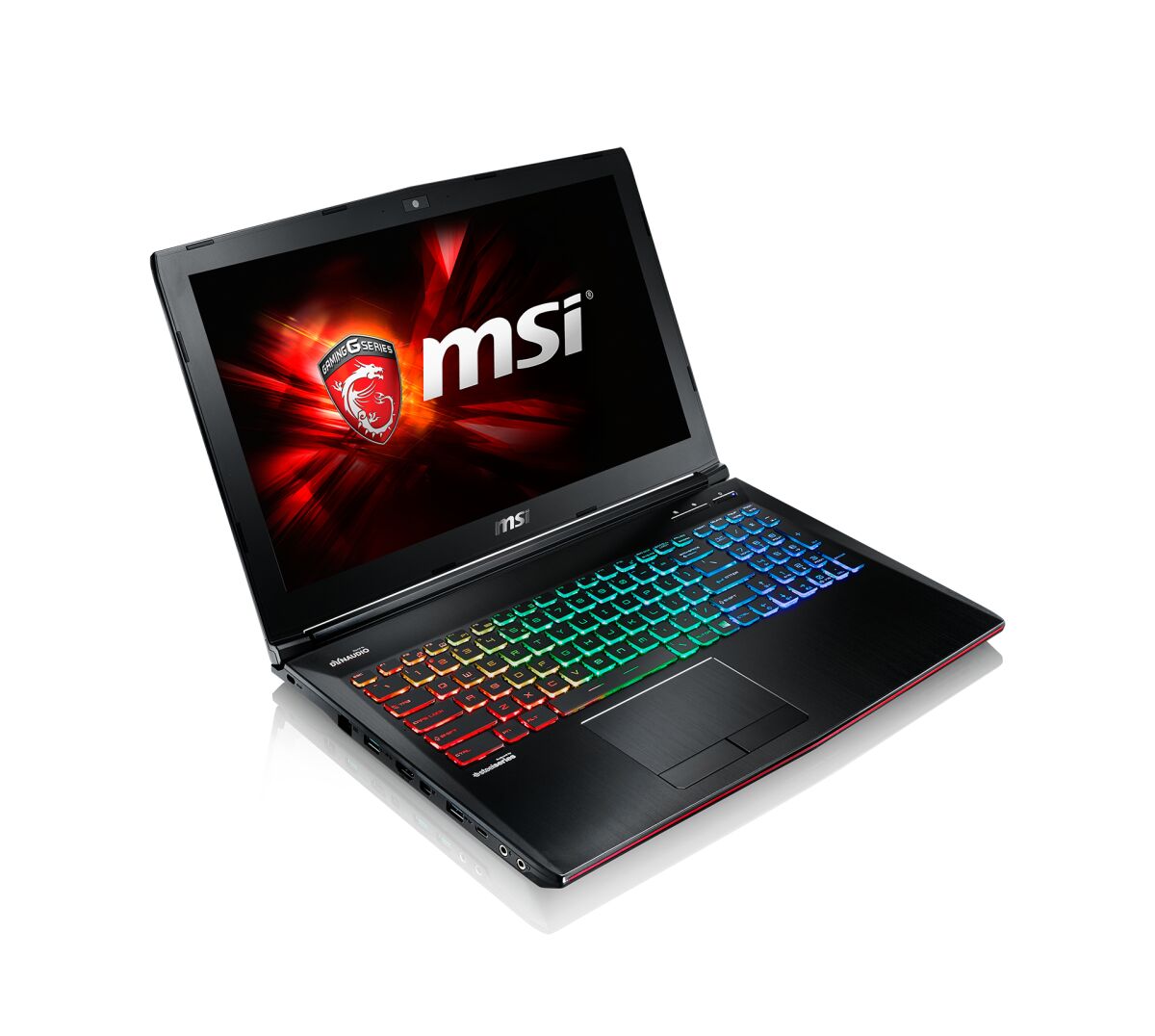
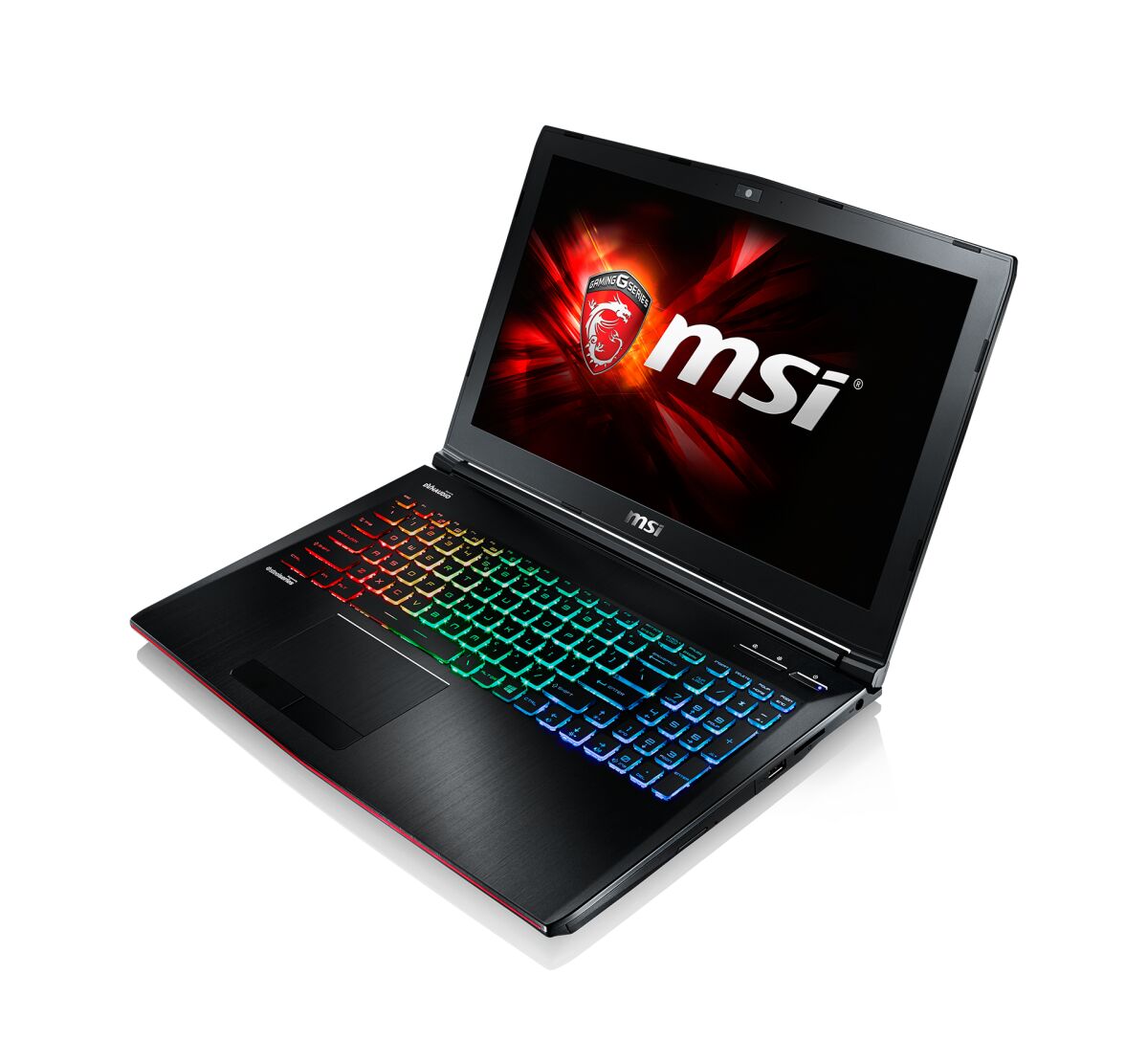
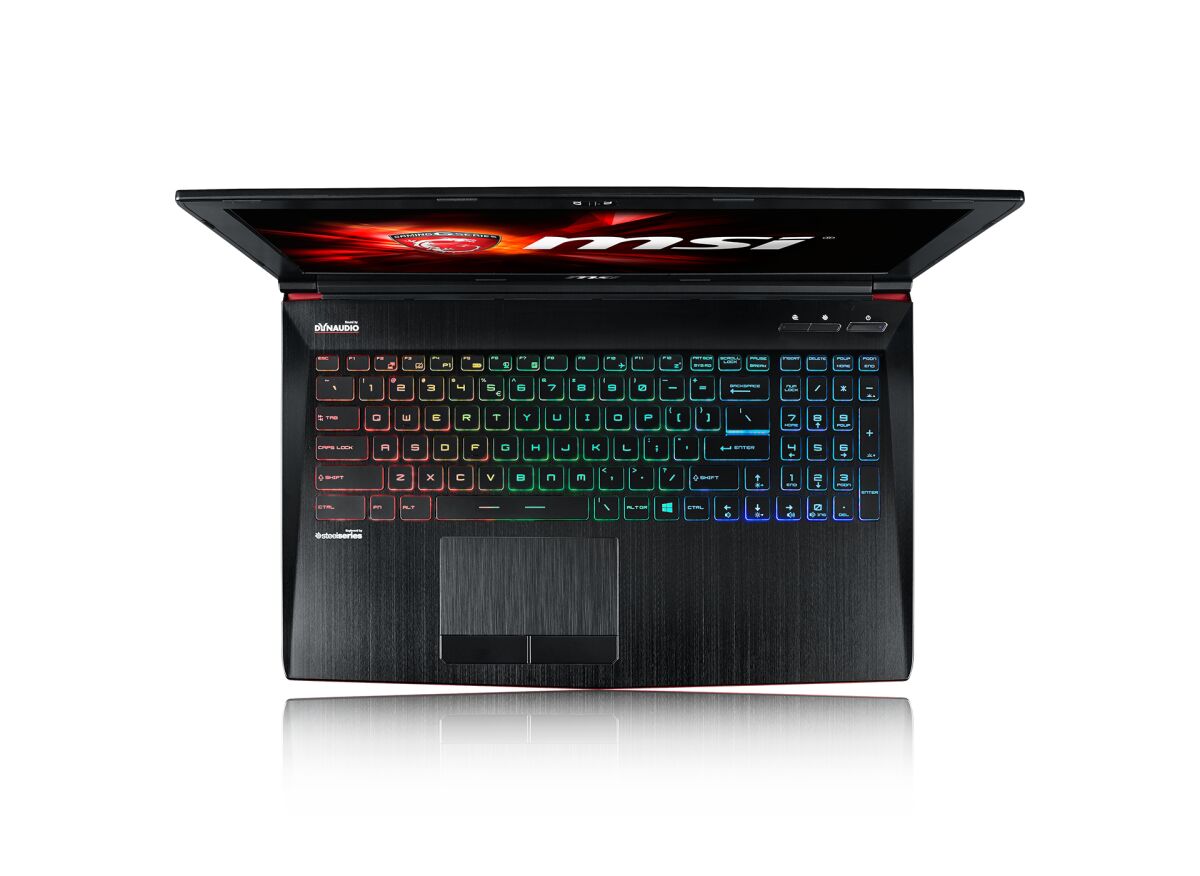
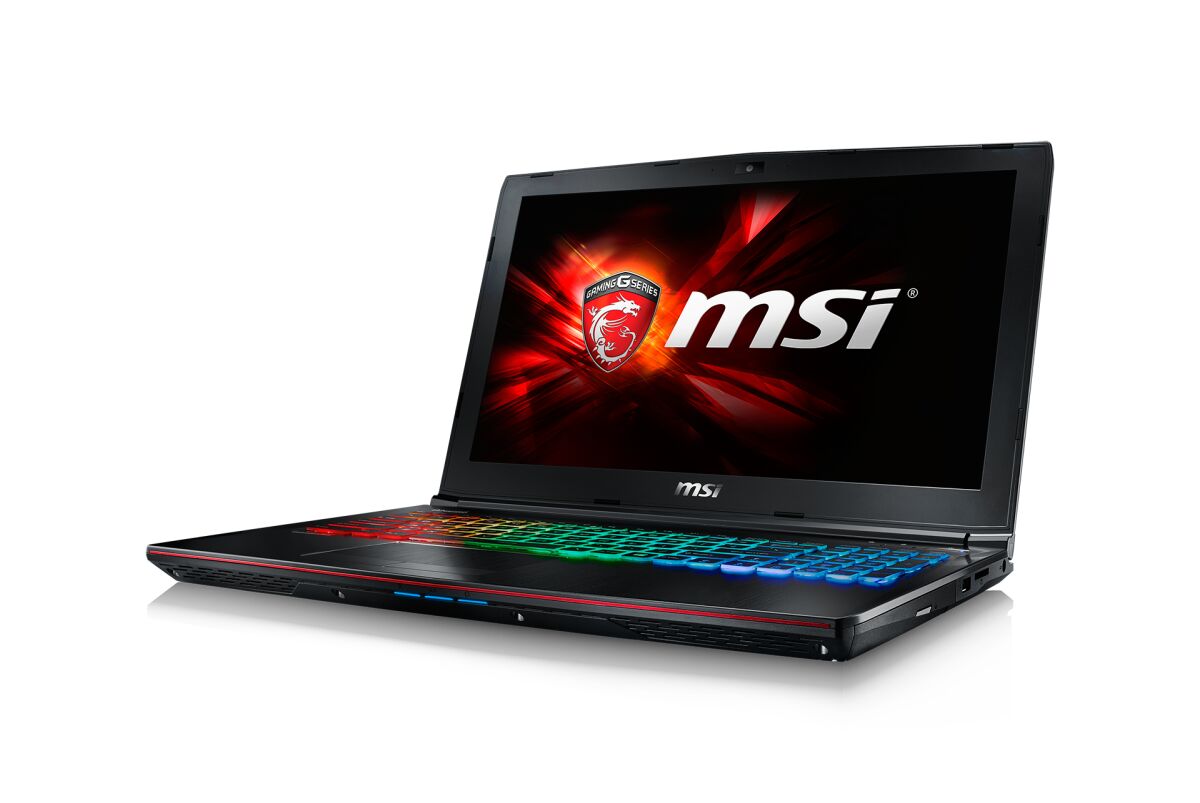
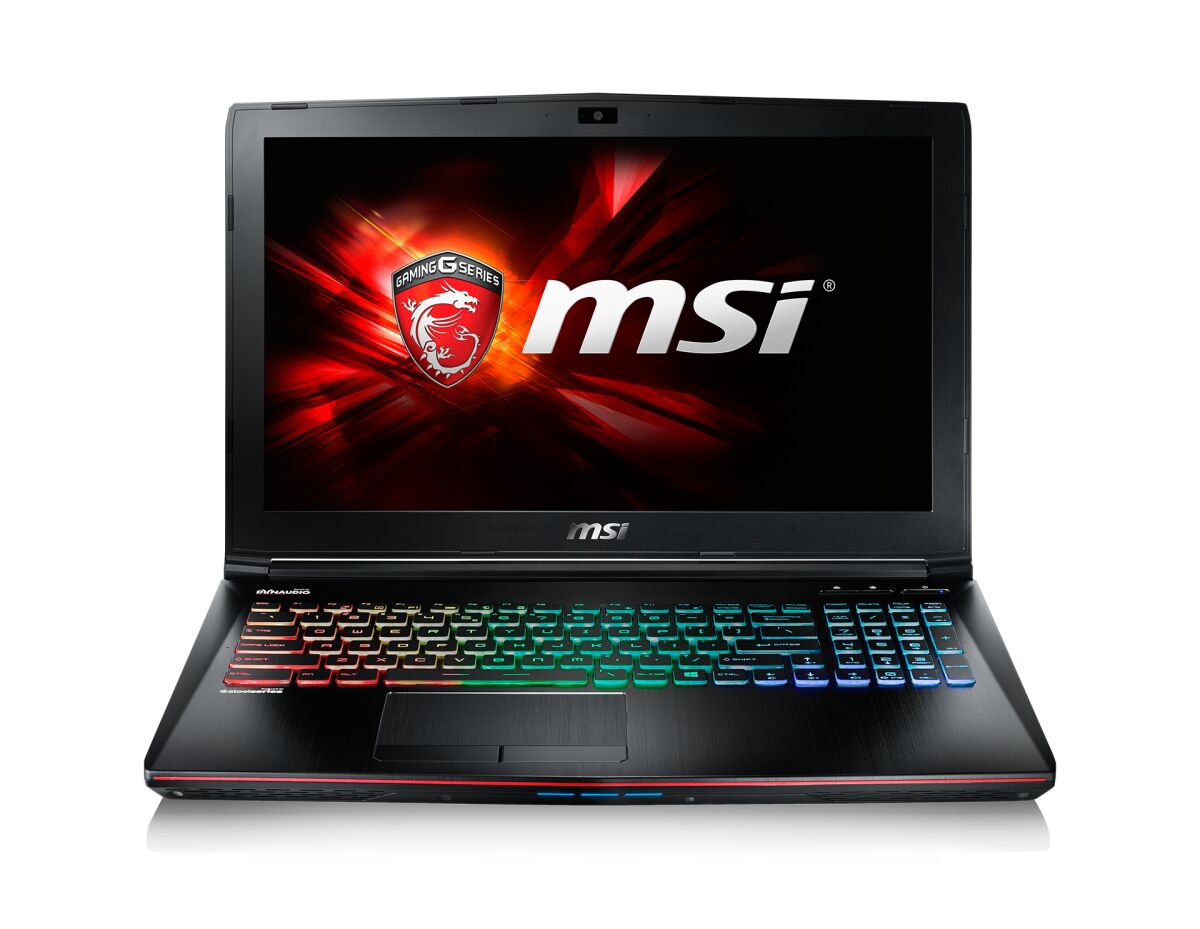
MSI GE62 6QD(Apache Pro)-670XFR gaming laptop RAM upgrade specifications feature DDR4-SDRAM memory compatibility. The system contains 2x SO-DIMM slots for memory expansion, supporting maximum capacity of 32 GB total RAM. Compatible memory operates at 2133 MHz frequency and uses SO-DIMM form factor. Upgrade specifications indicate DDR4 technology for enhanced performance in the GE series gaming platform.
Memory Upgrade Specifications
| Specification | Value |
|---|---|
| Memory slots | 2x SO-DIMM |
| Form factor | SO-DIMM |
| Memory type | DDR4-SDRAM |
| Frequency | 2133 MHz |
| Maximum RAM | 32 GB |
| Voltage | 1.2V |
| Number of pins | 260-pin |
| Interface | PC4 |
| PC Speed Rating | PC4-2133 (PC4-17064) |
| Bandwidth | 17.1 GB/s |
| Laptop Release date | 10 March 2016 |
Additional Notes
- The 32 GB ceiling enforces a 16 GB per module configuration when maximizing capacity, as only 2 SO-DIMM sockets are available.
- DDR4-2133 operates at PC4-17000 bandwidth standard, delivering 17.06 GB/s theoretical throughput per channel in dual-channel mode.
- Modules rated above 2133 MHz will downclock to match the supported frequency, making higher-speed purchases cost-ineffective without performance gain.
- The MSI GE62 6QD Apache Pro 670XFR requires non-ECC unbuffered modules, as registered or ECC variants physically incompatible with consumer SO-DIMM slots.
- Dual-channel activation mandates identical capacity and matching specifications across both populated slots for optimal memory interleaving.
- CAS latency tolerances at DDR4-2133 typically range from CL15 to CL17, with tighter timings yielding marginal real-world performance differences in gaming workloads.
- SO-DIMM height clearance in this chassis generation typically accommodates standard 30mm profile modules, though low-profile variants remain unnecessary.
- Operating voltage must remain at 1.2V JEDEC standard to prevent motherboard power delivery instability or potential component damage.
- Single-module configurations halve memory bandwidth by disabling dual-channel architecture, creating performance bottlenecks in GPU-intensive applications.
- Mixed-brand installations risk timing incompatibilities despite matching advertised speeds, potentially forcing the system to apply conservative fallback profiles.
- The 6th-generation platform predates XMP 3.0, limiting automatic overclocking profile compatibility to XMP 2.0 specifications if supported by BIOS.
- Temperature tolerances for DDR4 at 2133 MHz remain well within passive cooling thresholds, eliminating the need for aftermarket heat spreaders in mobile configurations.