MSI Gaming GE62 6QD-050ID Apache Pro RAM upgrade specifications
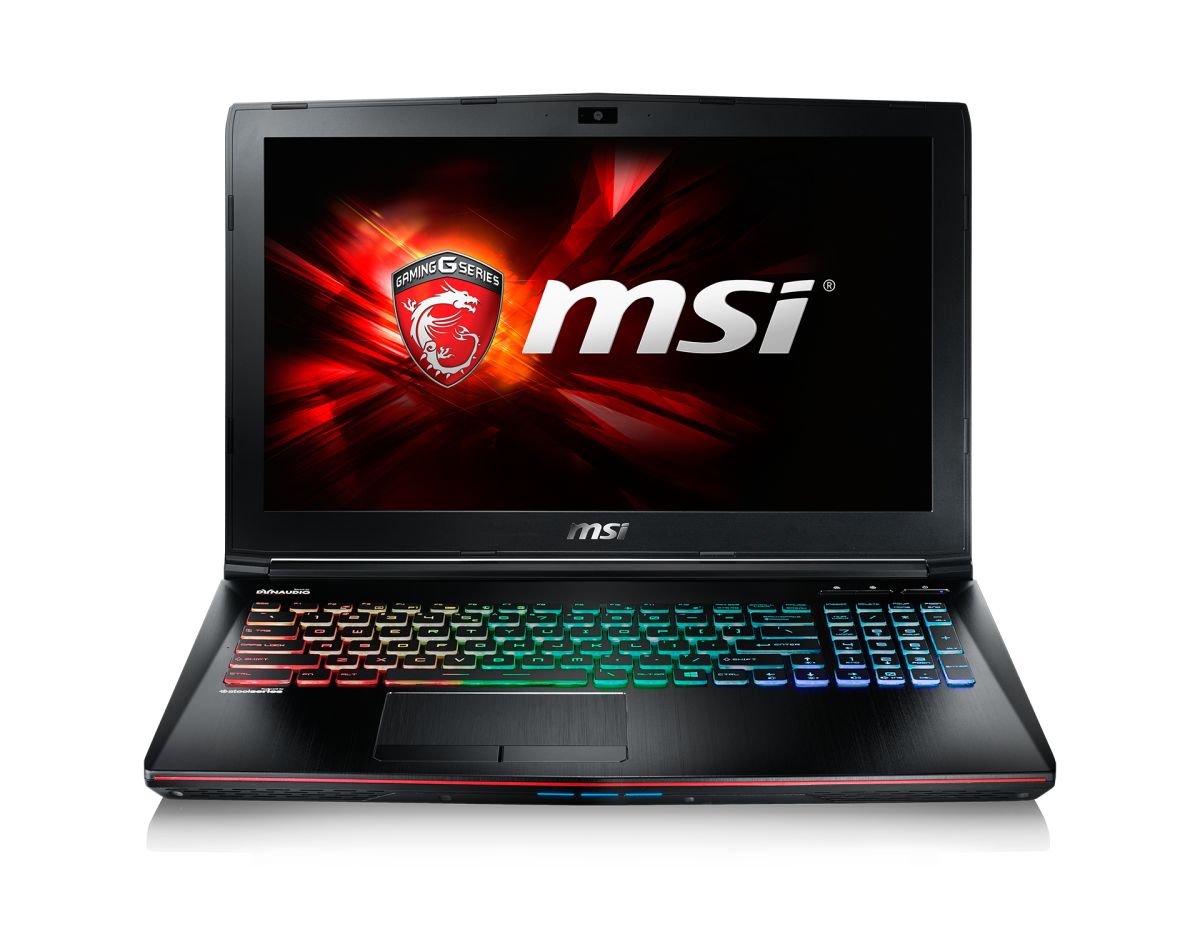
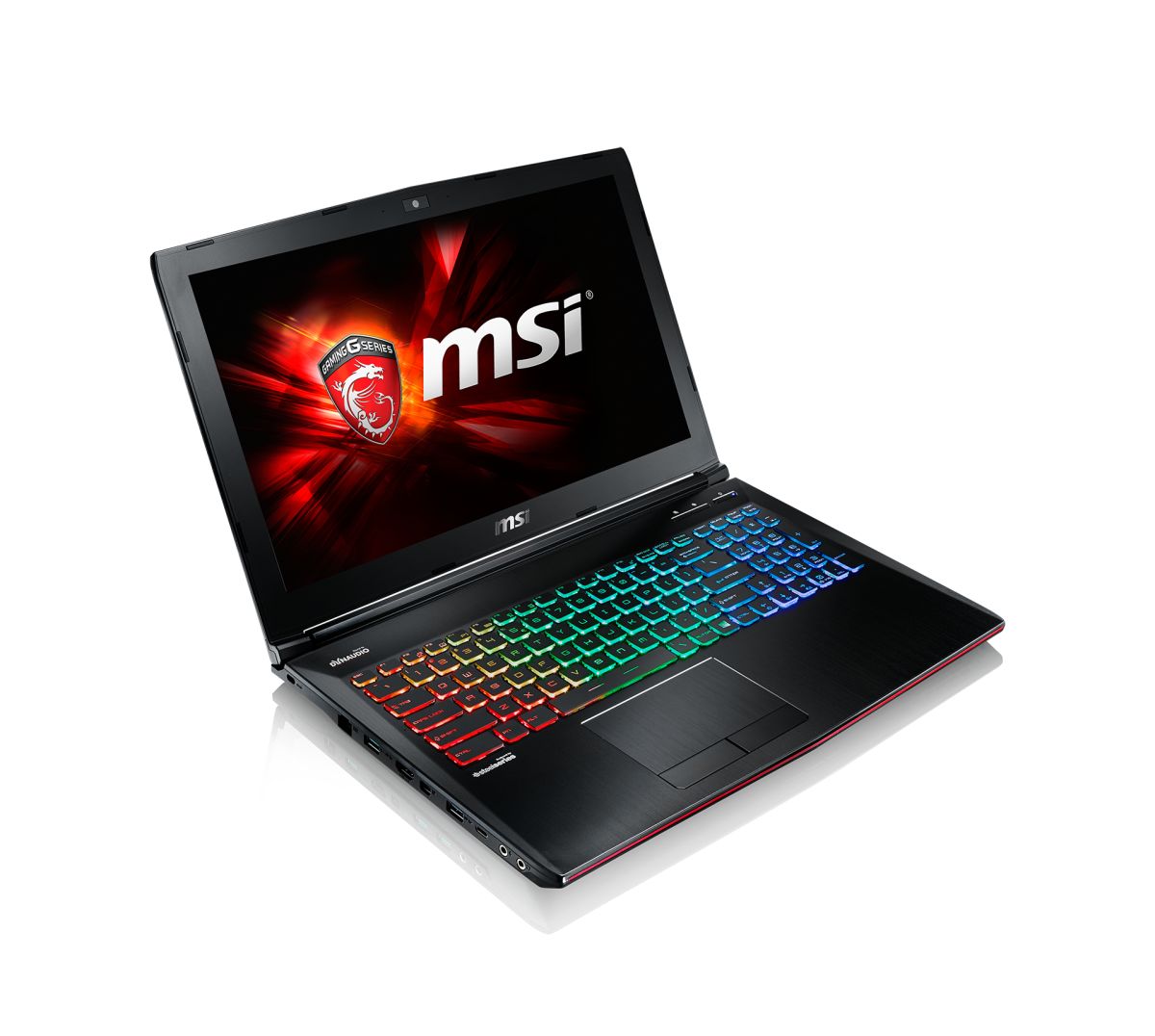
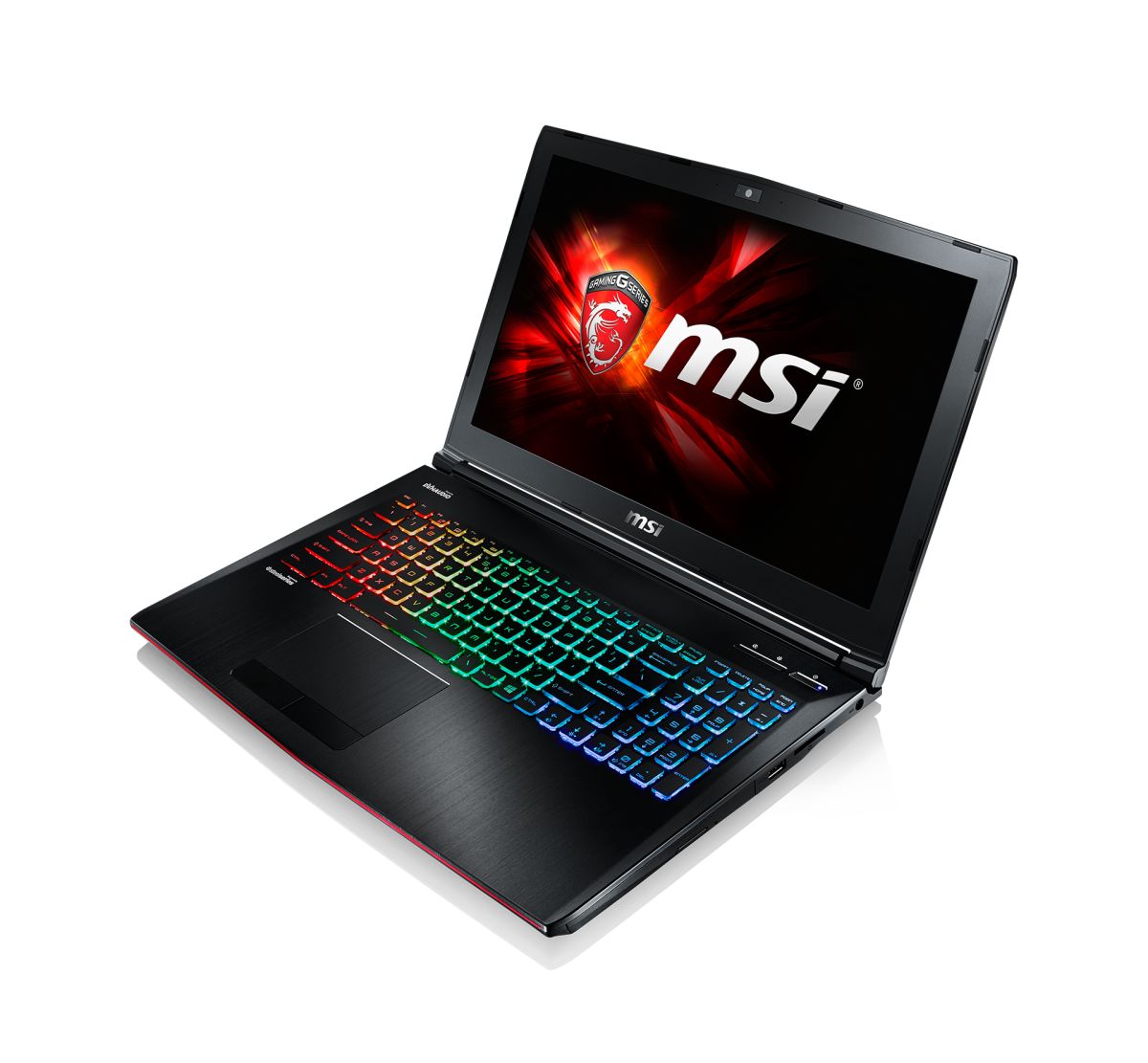
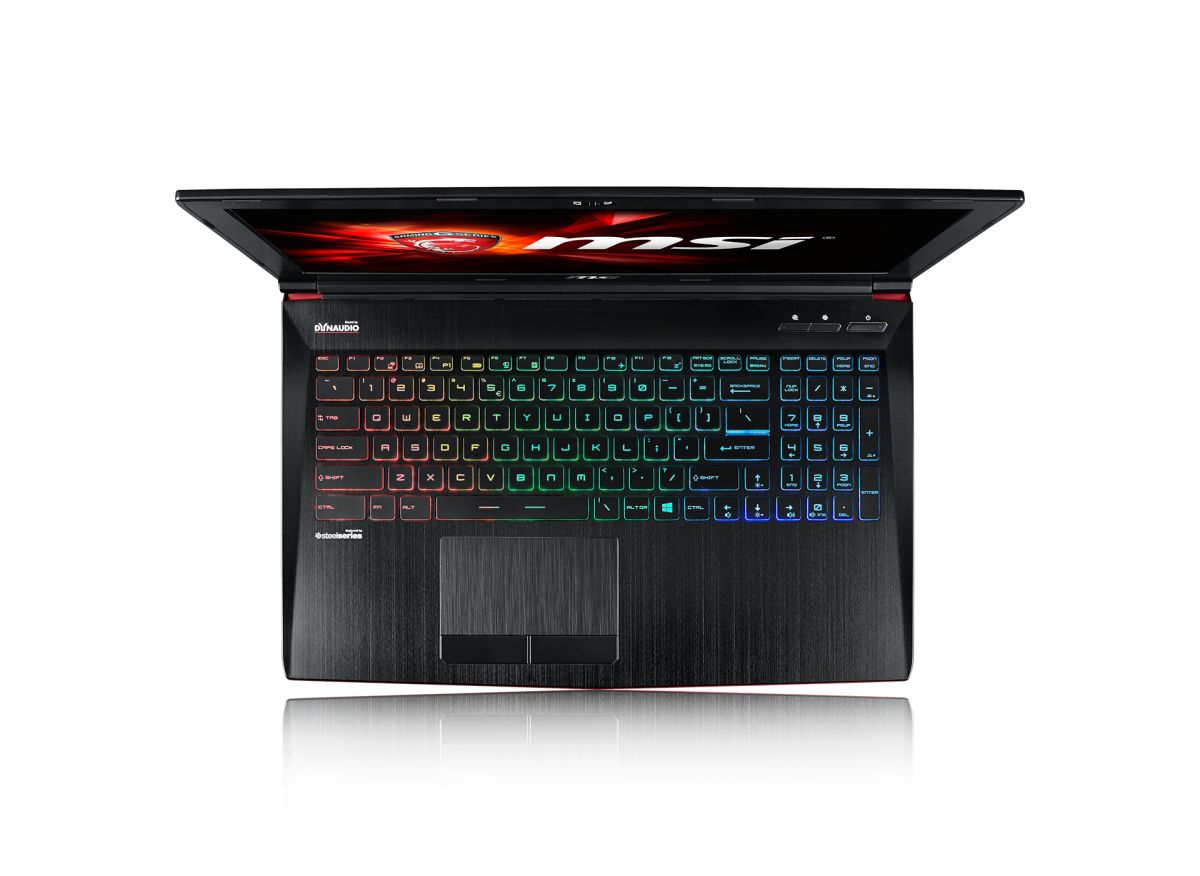
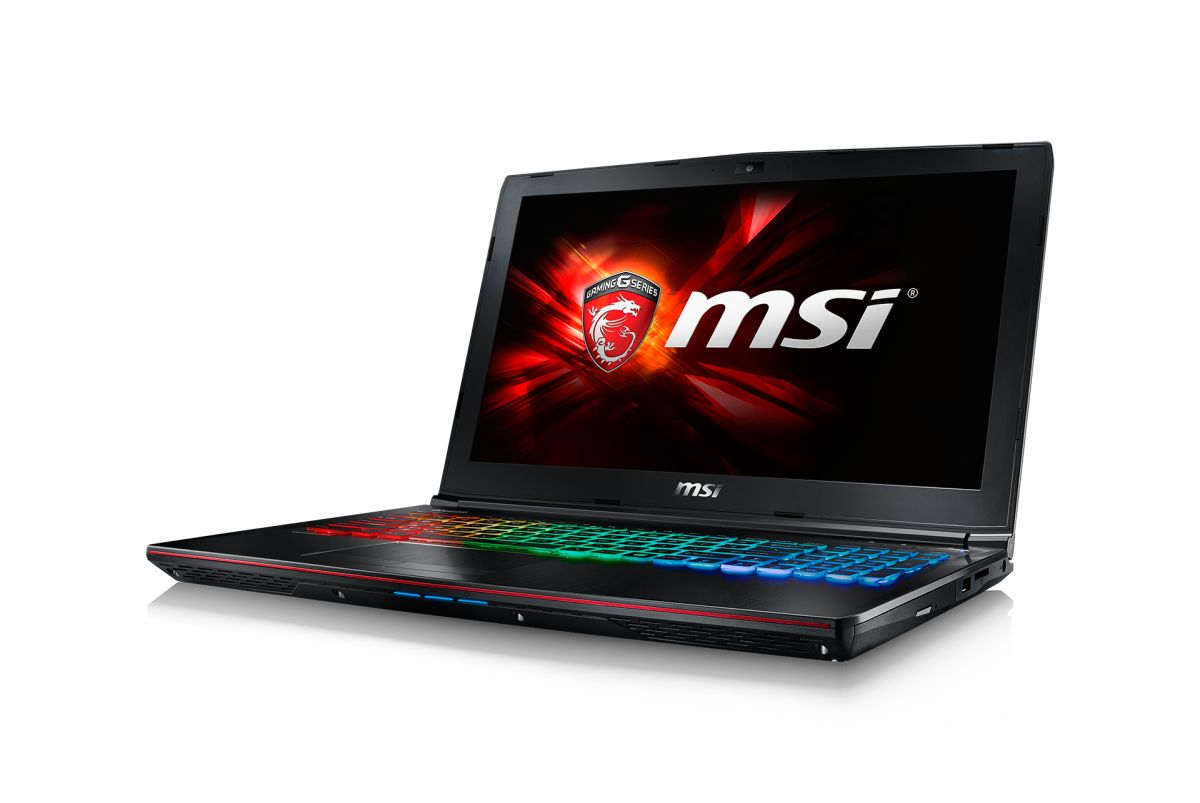
The MSI GE62 6QD-050ID Apache Pro gaming laptop features DDR4-SDRAM memory upgrade specifications with two SO-DIMM slots supporting maximum capacity of 32 GB total. Compatible memory modules operate at 2133 MHz frequency. Each slot accepts SO-DIMM form factor upgrades, enabling users to expand the laptop's memory configuration from its factory default allocation. The GE62 series Gaming family from MSI maintains full compatibility with DDR4 memory technology for performance enhancement and multitasking optimization in the Apache Pro variant.
Memory Upgrade Specifications
| Specification | Value |
|---|---|
| Memory slots | 2x SO-DIMM |
| Form factor | SO-DIMM |
| Memory type | DDR4-SDRAM |
| Frequency | 2133 MHz |
| Maximum RAM | 32 GB |
| Voltage | 1.2V |
| Number of pins | 260-pin |
| Interface | PC4 |
| PC Speed Rating | PC4-2133 (PC4-17064) |
| Bandwidth | 17.1 GB/s |
| Laptop Release date | 16 July 2016 |
Additional Notes
- The MSI GE62 6QD-050ID Apache Pro memory controller limits module frequency to 2133 MHz, meaning faster DDR4 modules rated at 2400 MHz or 2666 MHz will downclock automatically to match this specification.
- Dual-channel architecture requires identical module pairs for optimal memory bandwidth, as mismatched capacities or timings force the system to operate in single-channel mode or at the speed of the slower module.
- SO-DIMM modules designed for desktop systems (DIMM form factor) are physically incompatible with this notebook's memory slots due to different pin counts and physical dimensions.
- Population of both slots with 16 GB modules achieves the 32 GB ceiling, leaving no headroom for future expansion without replacing existing modules entirely.
- Modules exceeding DDR4-2133 specification will function but provide no performance benefit, as the integrated memory controller enforces the native speed regardless of module capability.
- Single-rank versus dual-rank module architecture affects interleaving efficiency, with dual-rank configurations potentially offering marginal bandwidth improvements in memory-intensive workloads despite identical clock speeds.
- Non-standard module heights above 30mm may interfere with keyboard assembly clearance in this chassis design, requiring low-profile SO-DIMM variants for guaranteed physical compatibility.
- DDR3L modules are mechanically incompatible despite similar SO-DIMM dimensions, as DDR4 features a different notch position to prevent insertion into incorrect slots.
- Thermal design relies on chassis airflow rather than dedicated module heatspreaders, making high-density 32 GB configurations more susceptible to thermal throttling under sustained memory load compared to lower-capacity installations.
- Mixed-vendor modules introduce timing compatibility risks, as different manufacturers may use varying PCB designs or memory chips that struggle to achieve stable operation even at standard JEDEC specifications.