MSI Gaming GE62 6QD-1032XES Apache Pro RAM upgrade specifications
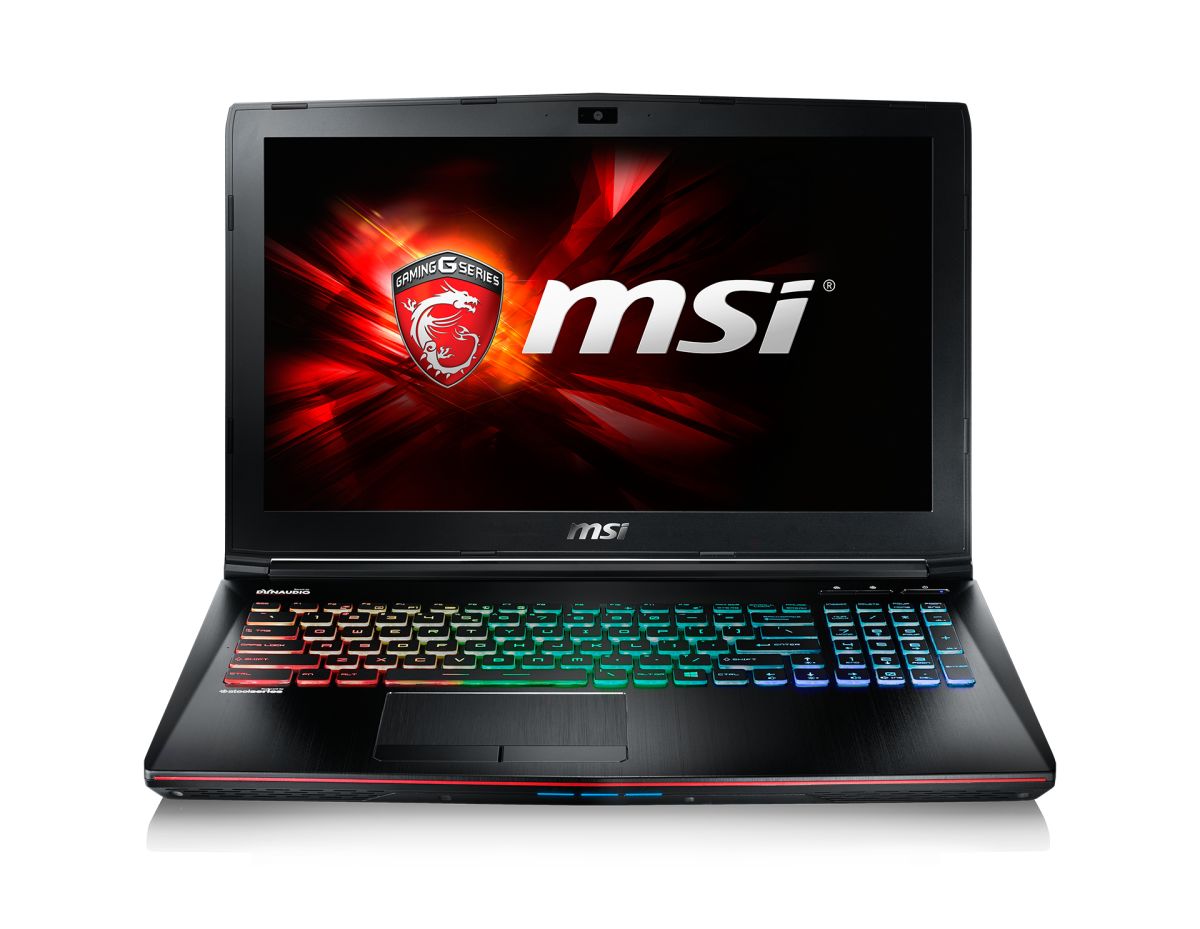
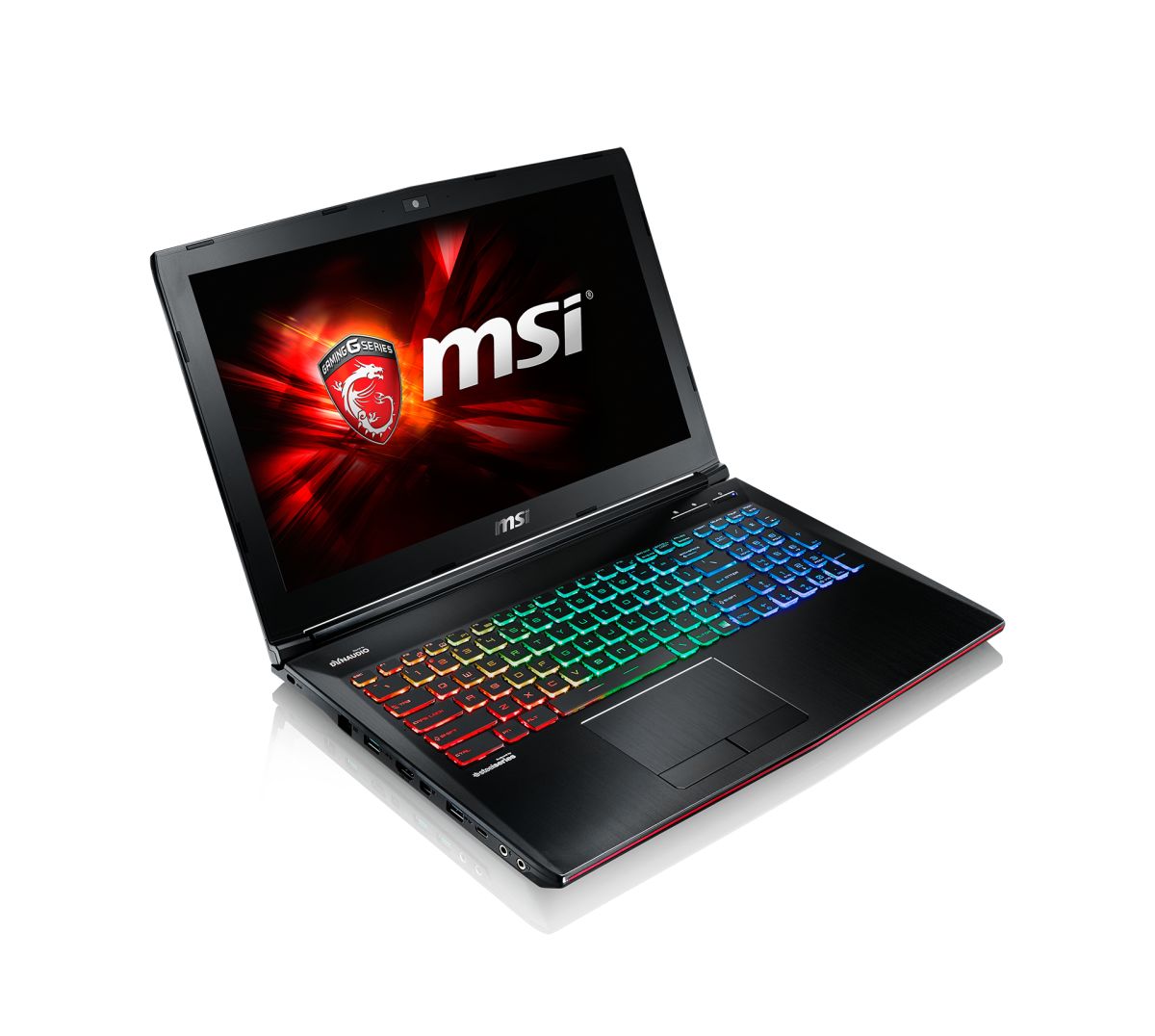
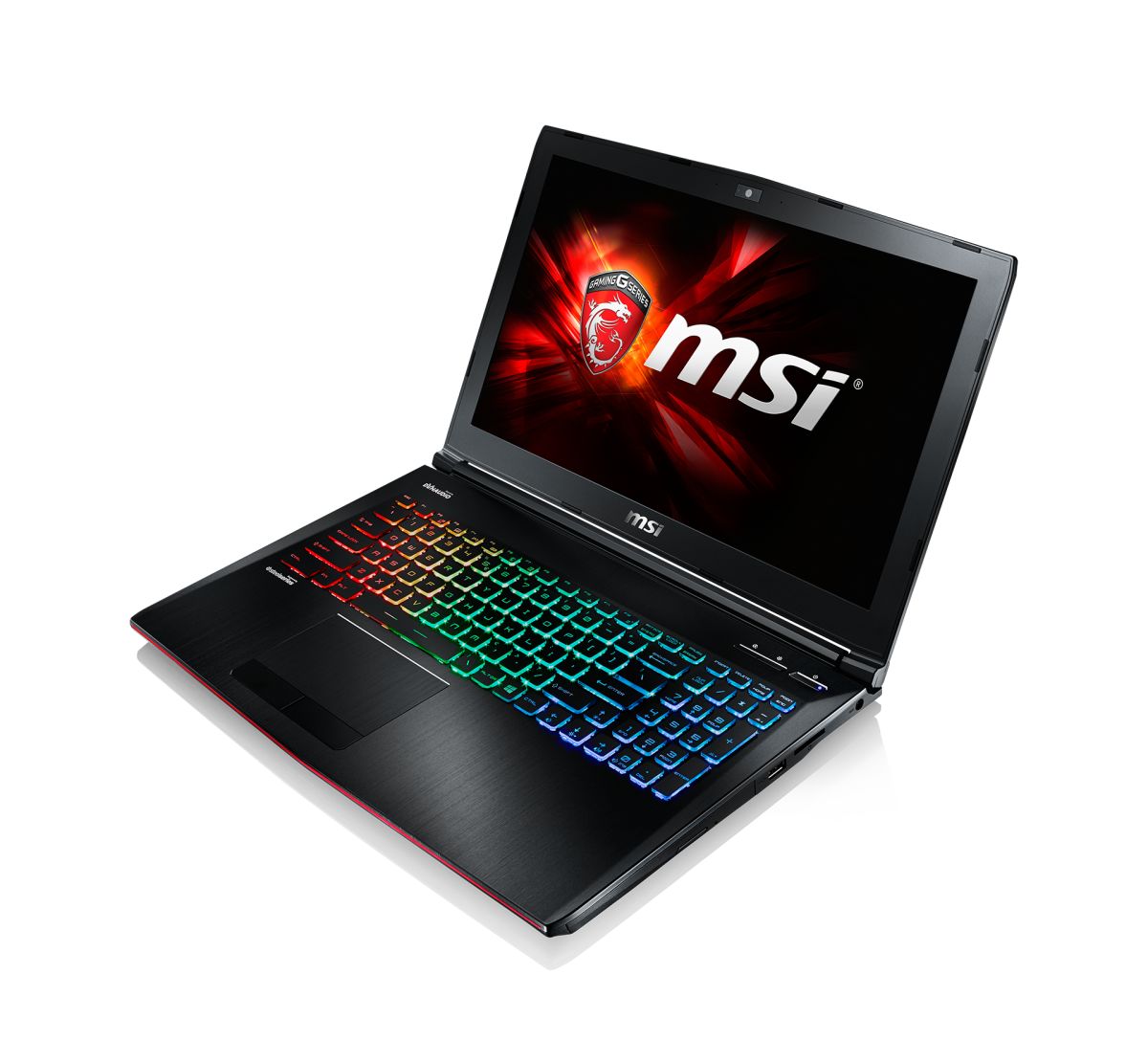
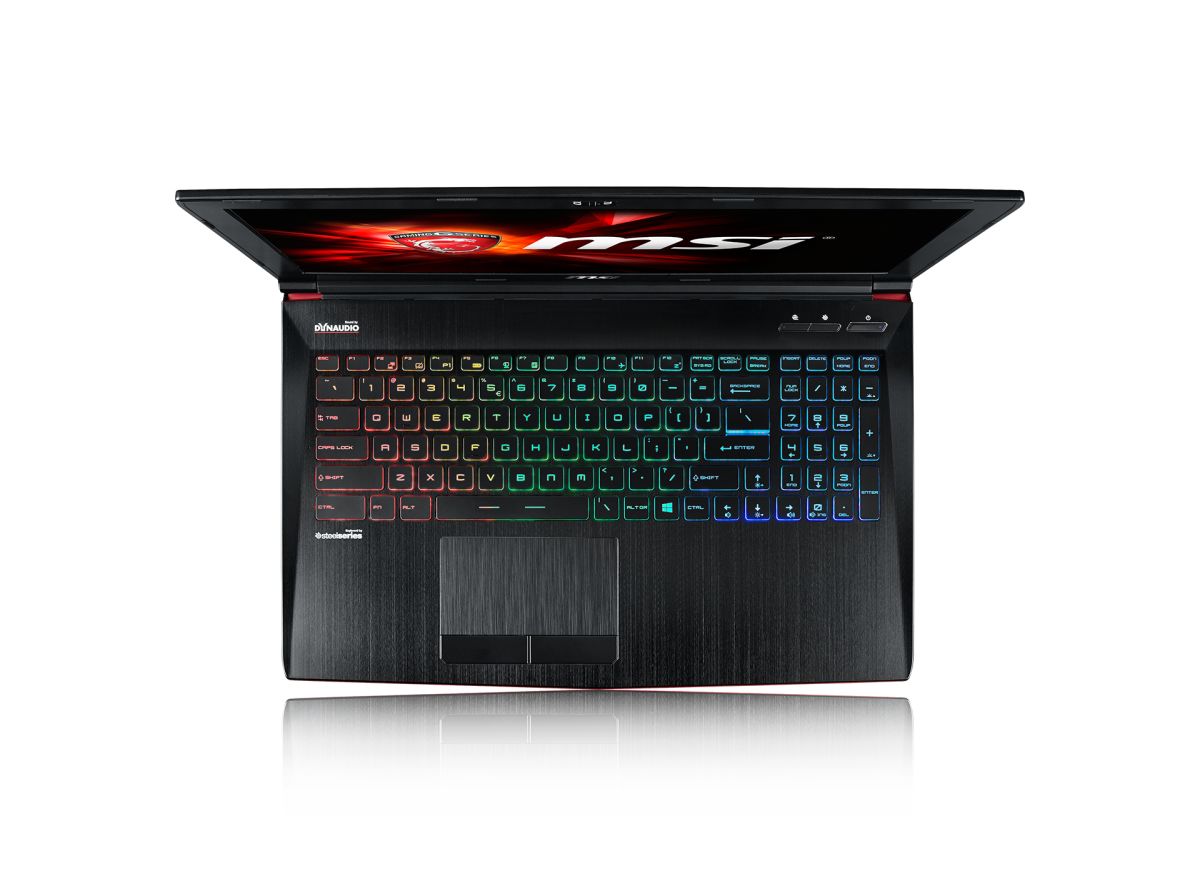
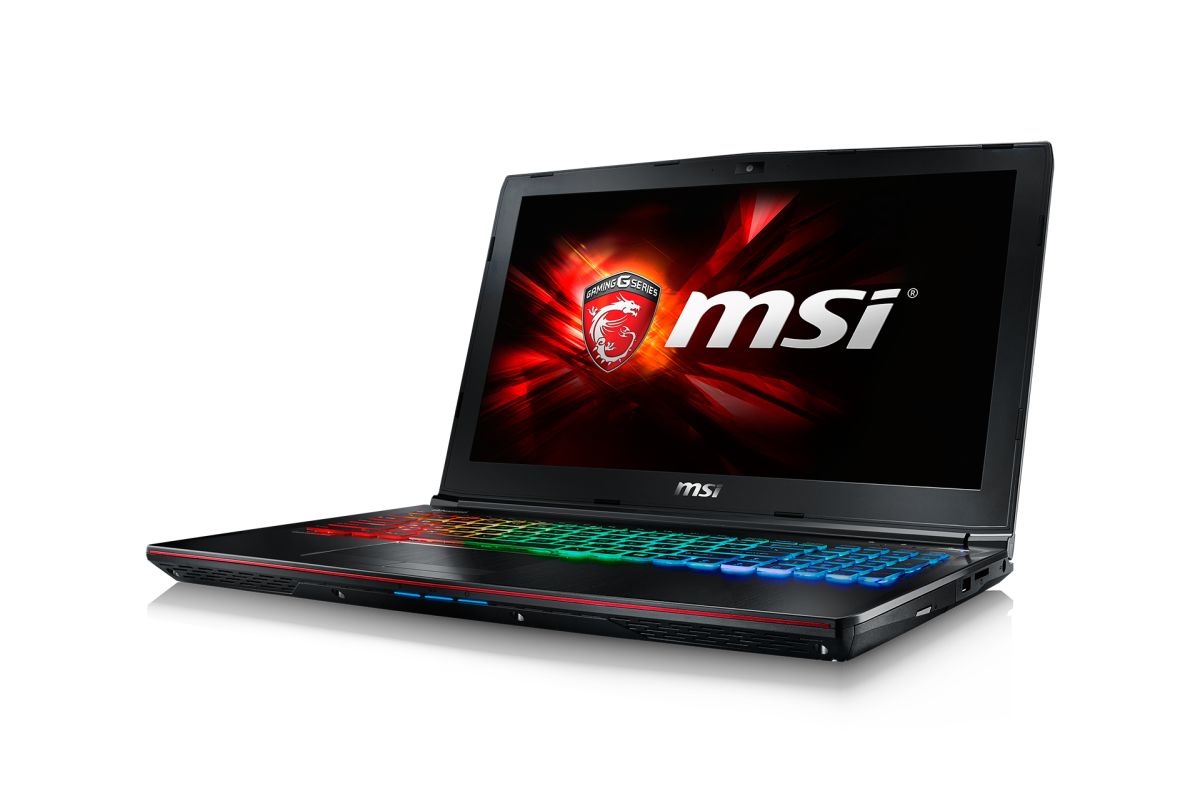
The MSI GE62 6QD-1032XES Apache Pro gaming laptop features DDR4-SDRAM memory upgrade specifications. The device contains two SO-DIMM slots for memory expansion, supporting a maximum RAM capacity of 32 GB total. Compatible upgrades operate at 2133 MHz frequency. The SO-DIMM form factor specifications determine compatible memory modules for the GE series gaming model. Existing memory configurations can be expanded by replacing or adding DDR4 modules within the two available slots to reach maximum capacity specifications.
Memory Upgrade Specifications
| Specification | Value |
|---|---|
| Memory slots | 2x SO-DIMM |
| Form factor | SO-DIMM |
| Memory type | DDR4-SDRAM |
| Frequency | 2133 MHz |
| Maximum RAM | 32 GB |
| Voltage | 1.2V |
| Number of pins | 260-pin |
| Interface | PC4 |
| PC Speed Rating | PC4-2133 (PC4-17064) |
| Bandwidth | 17.1 GB/s |
| Laptop Release date | 19 May 2016 |
Additional Notes
- The MSI GE62 6QD-1032XES Apache Pro accommodates memory modules in SO-DIMM form factor exclusively, restricting upgrade options to laptop-grade components rather than full-size desktop DDR4 modules.
- The 2x SO-DIMM slot configuration necessitates complete module replacement to exceed the current installed capacity, as no vacant slot exists for additive upgrades beyond the 2-module limit.
- DDR4-2133 MHz frequency represents the baseline specification; modules rated at higher speeds (2400, 2666, 2933 MHz) will downclock to 2133 MHz within this system, eliminating performance gains from premium-speed memory.
- The 32 GB total capacity ceiling constrains long-term upgrade flexibility for memory-intensive workloads, establishing a fixed upper bound that cannot be extended through component substitution.
- SO-DIMM modules occupy minimal physical space beneath the keyboard panel; installation and removal require complete disassembly of the base enclosure, creating accessibility constraints compared to desktop systems with dedicated memory access panels.
- Dual-channel memory architecture depends on matched module pairs; asymmetrical configurations (16 GB + 8 GB) or single-module populations will reduce bandwidth efficiency and gaming performance relative to symmetrical 16 GB + 16 GB configurations.
- DDR4 SO-DIMM pricing remains elevated relative to desktop equivalents due to reduced manufacturing volume, making incremental upgrades economically less favorable than full capacity replacement.