MSI Gaming GE62 6QD-1034XES Apache Pro RAM upgrade specifications
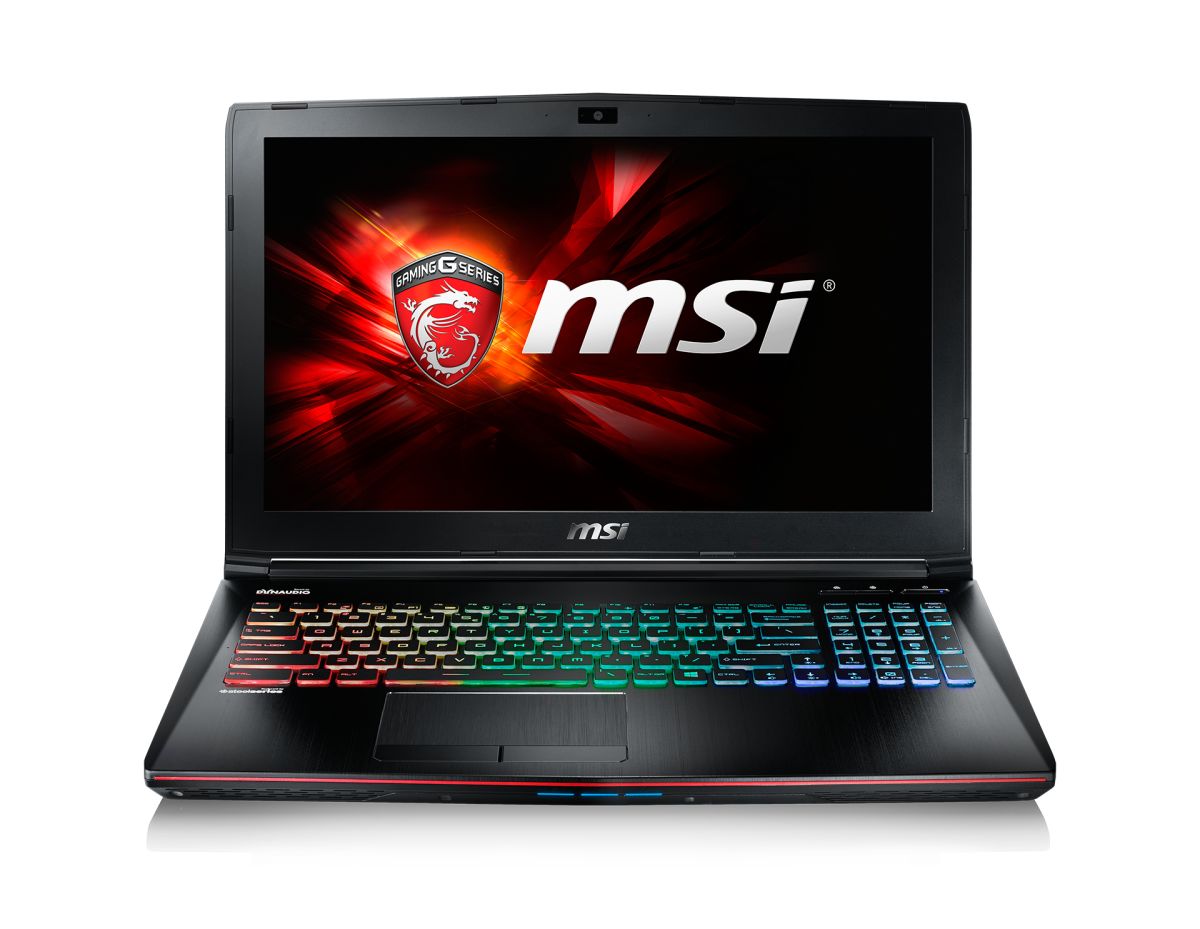
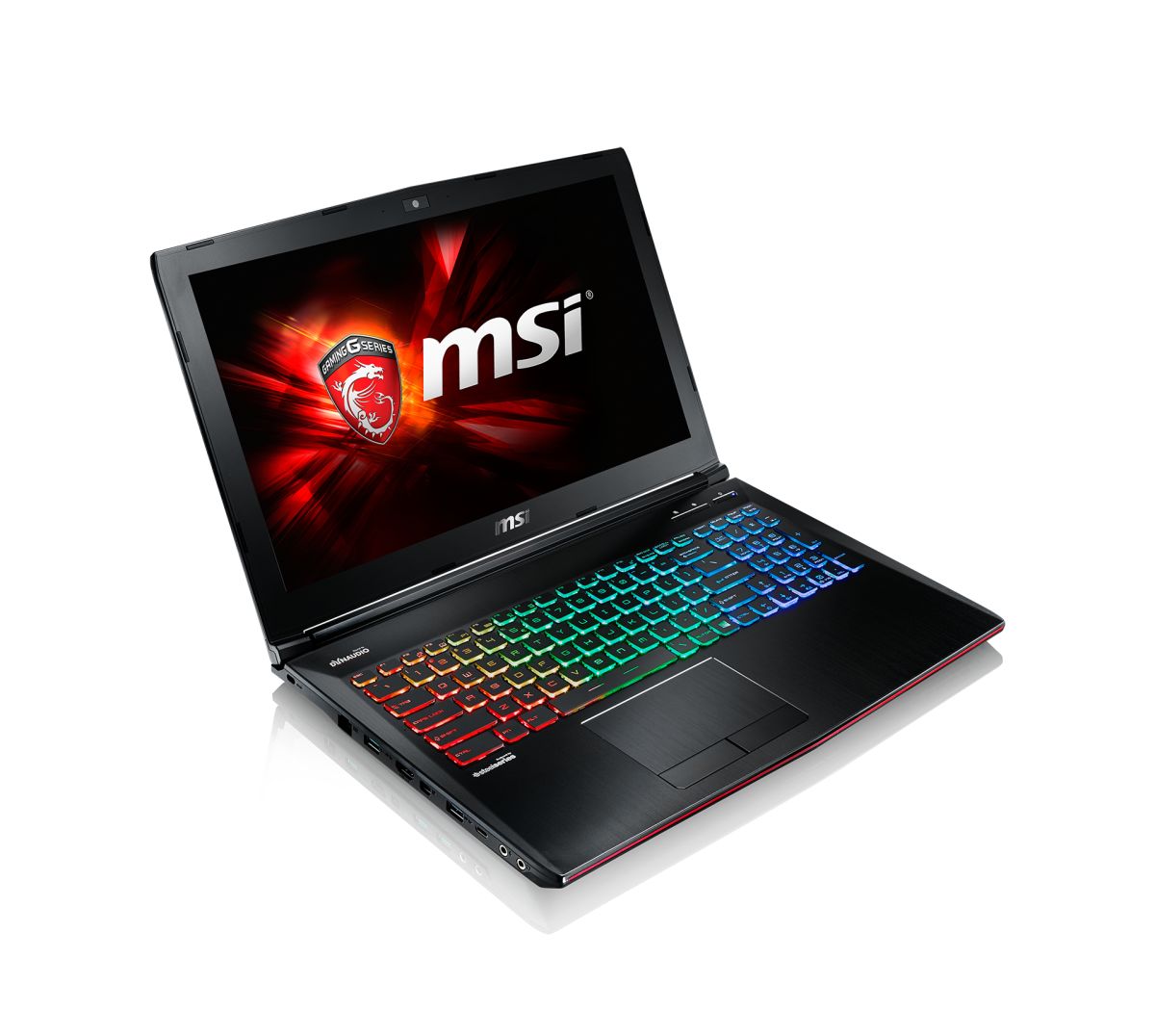
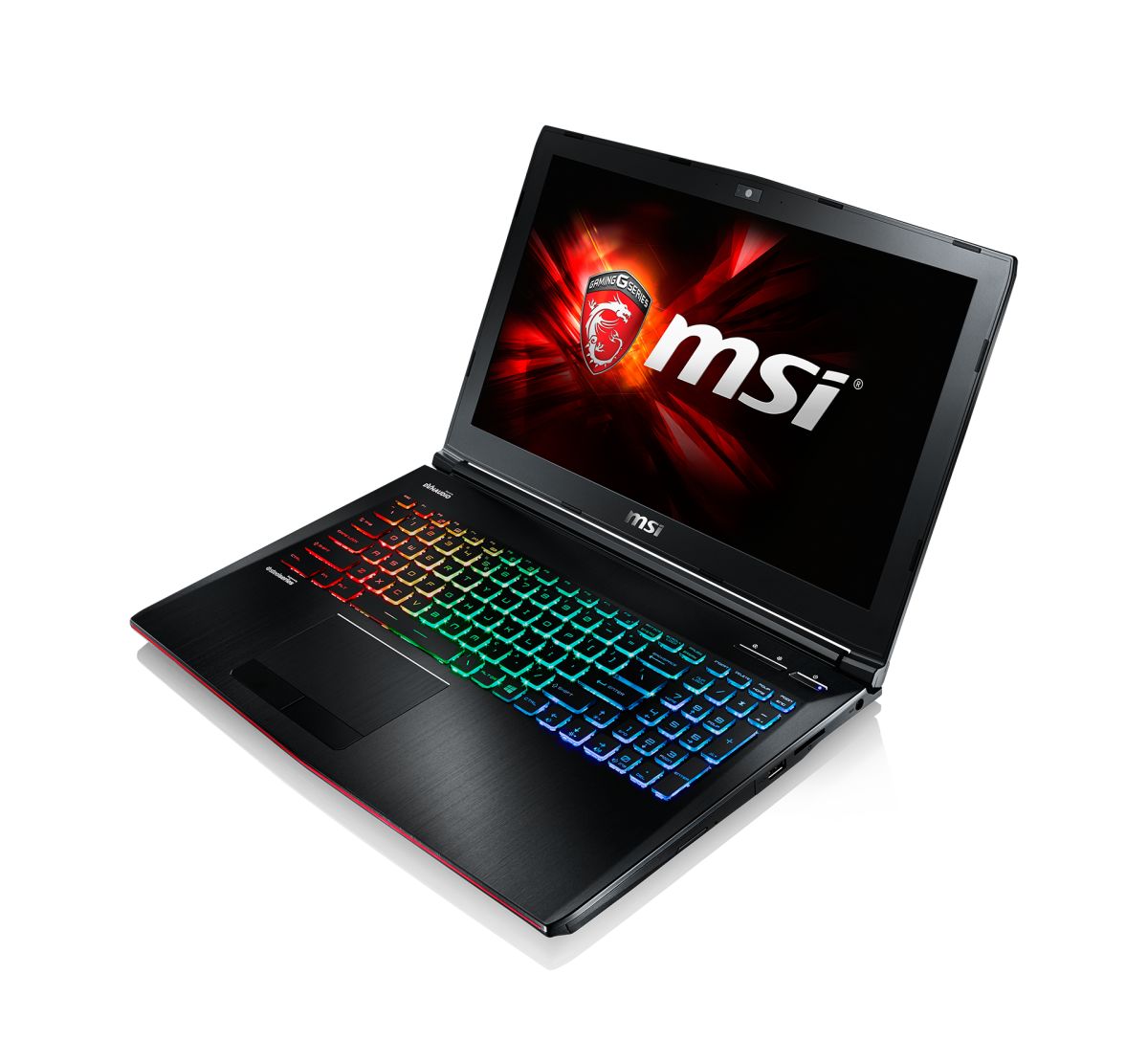
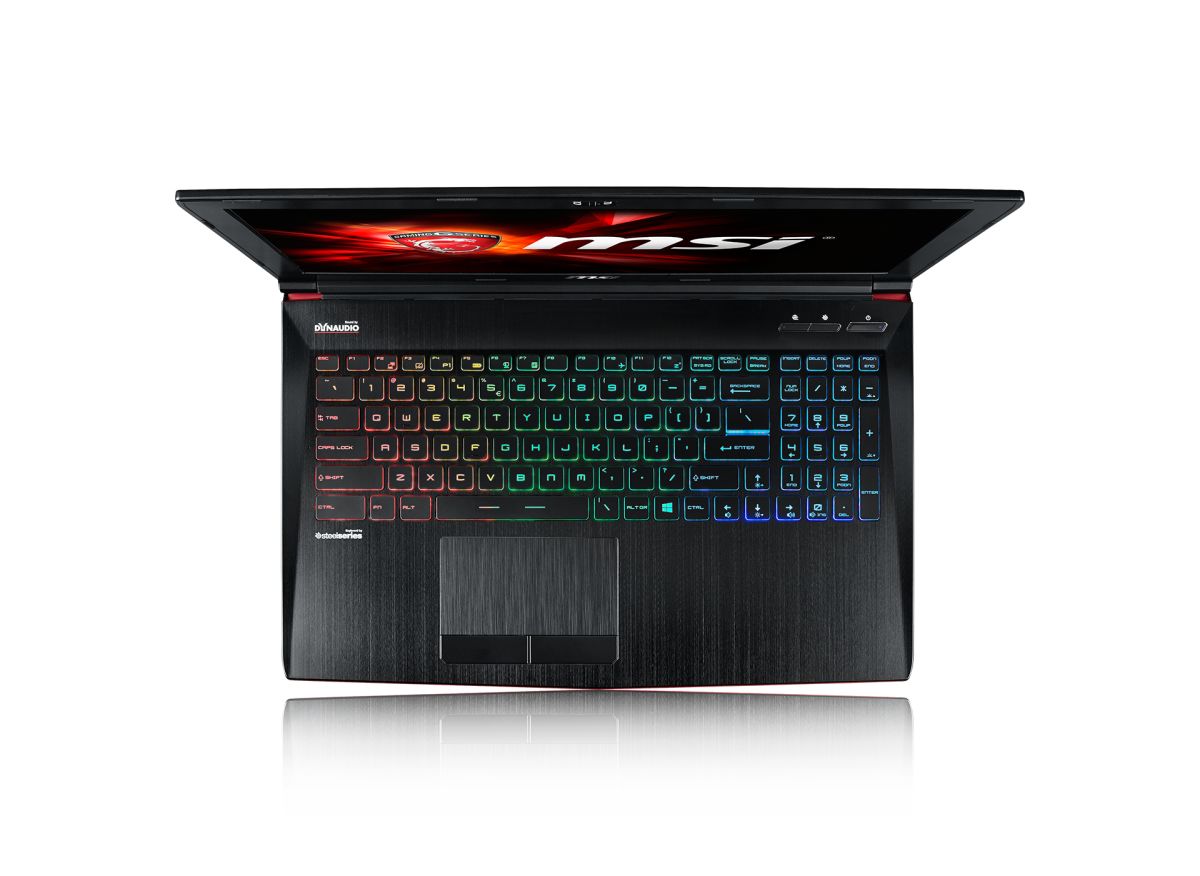
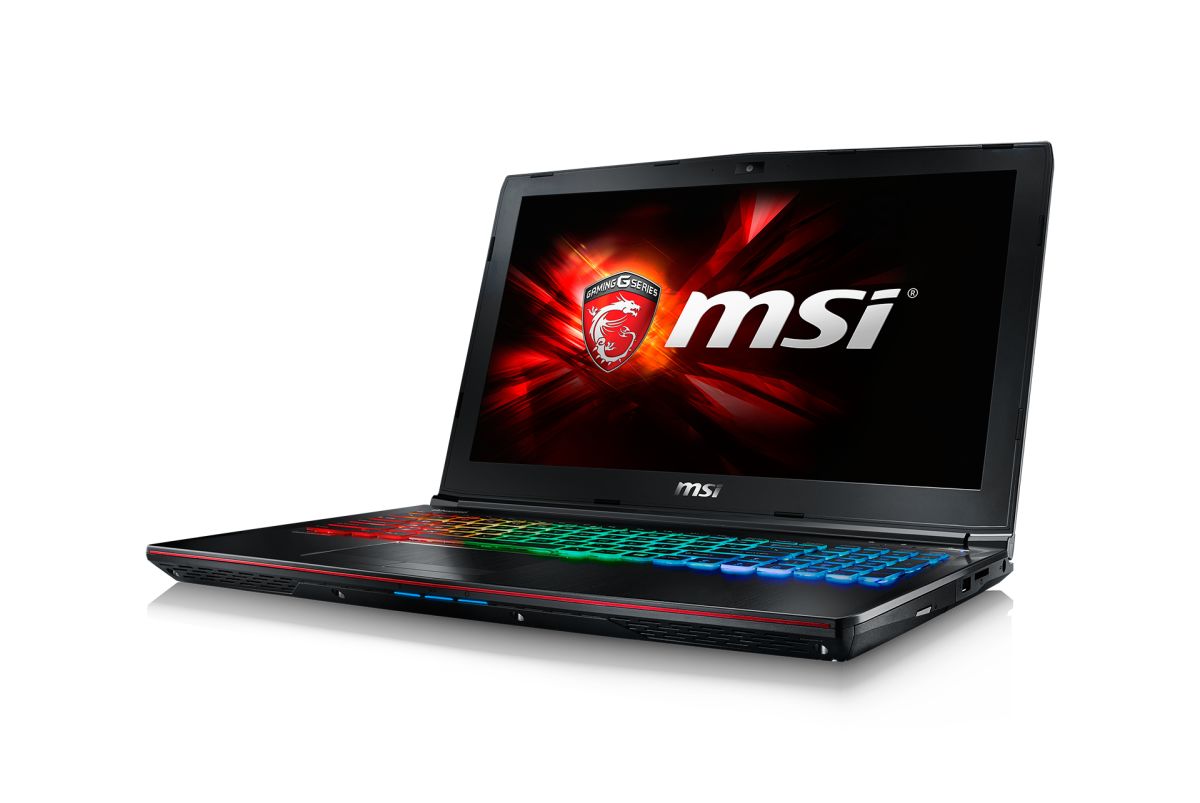
The MSI GE62 6QD-1034XES Apache Pro gaming laptop features DDR4-SDRAM memory upgrade capabilities. The system contains two SO-DIMM memory slots, supporting a maximum RAM capacity of 32 GB total. Compatible memory modules operate at 2133 MHz frequency. The upgrade specifications enable users to expand the laptop's memory configuration by installing additional SO-DIMM modules into the available slots. Maximum supported capacity reaches 32 GB when both memory slots contain compatible DDR4-SDRAM upgrades at the specified frequency.
Memory Upgrade Specifications
| Specification | Value |
|---|---|
| Memory slots | 2x SO-DIMM |
| Form factor | SO-DIMM |
| Memory type | DDR4-SDRAM |
| Frequency | 2133 MHz |
| Maximum RAM | 32 GB |
| Voltage | 1.2V |
| Number of pins | 260-pin |
| Interface | PC4 |
| PC Speed Rating | PC4-2133 (PC4-17064) |
| Bandwidth | 17.1 GB/s |
| Laptop Release date | 05 July 2016 |
Additional Notes
- The DDR4-2133 specification limits peak bandwidth to 17 GB/s per module, which may constrain performance in memory-intensive gaming scenarios compared to systems supporting DDR4-2400 or higher frequencies.
- The 32 GB ceiling requires two 16 GB SO-DIMM modules to reach maximum capacity, as single 32 GB SO-DIMM modules were not widely available during the MSI GE62 6QD-1034XES Apache Pro generation.
- SO-DIMM form factor necessitates accessing the bottom panel compartment, typically requiring removal of 8 to 12 screws depending on chassis design.
- DDR4 operates at lower voltage than DDR3, providing thermal efficiency benefits but creating absolute incompatibility with DDR3L modules physically keyed for different notch positions.
- Dual-channel architecture requires matched pairs in both slots to achieve symmetric 34 GB/s theoretical bandwidth, while mismatched configurations force single-channel operation.
- The 6th generation Intel chipset enforces strict JEDEC timing compatibility, rejecting XMP-profiled modules that exceed DDR4-2133 specifications without manual BIOS adjustments.
- Warranty preservation typically requires OEM-approved installation procedures, as improper SO-DIMM insertion can damage retention clips or socket pins.
- Upgrading beyond factory-installed capacity may necessitate BIOS updates to ensure proper module recognition and stability under thermal stress conditions.
- The 2133 MHz frequency floor creates performance parity with competing platforms from the same hardware generation but lacks headroom for future speed scaling.