MSI Gaming GE62 6QD-1064KR Apache Pro RAM upgrade specifications
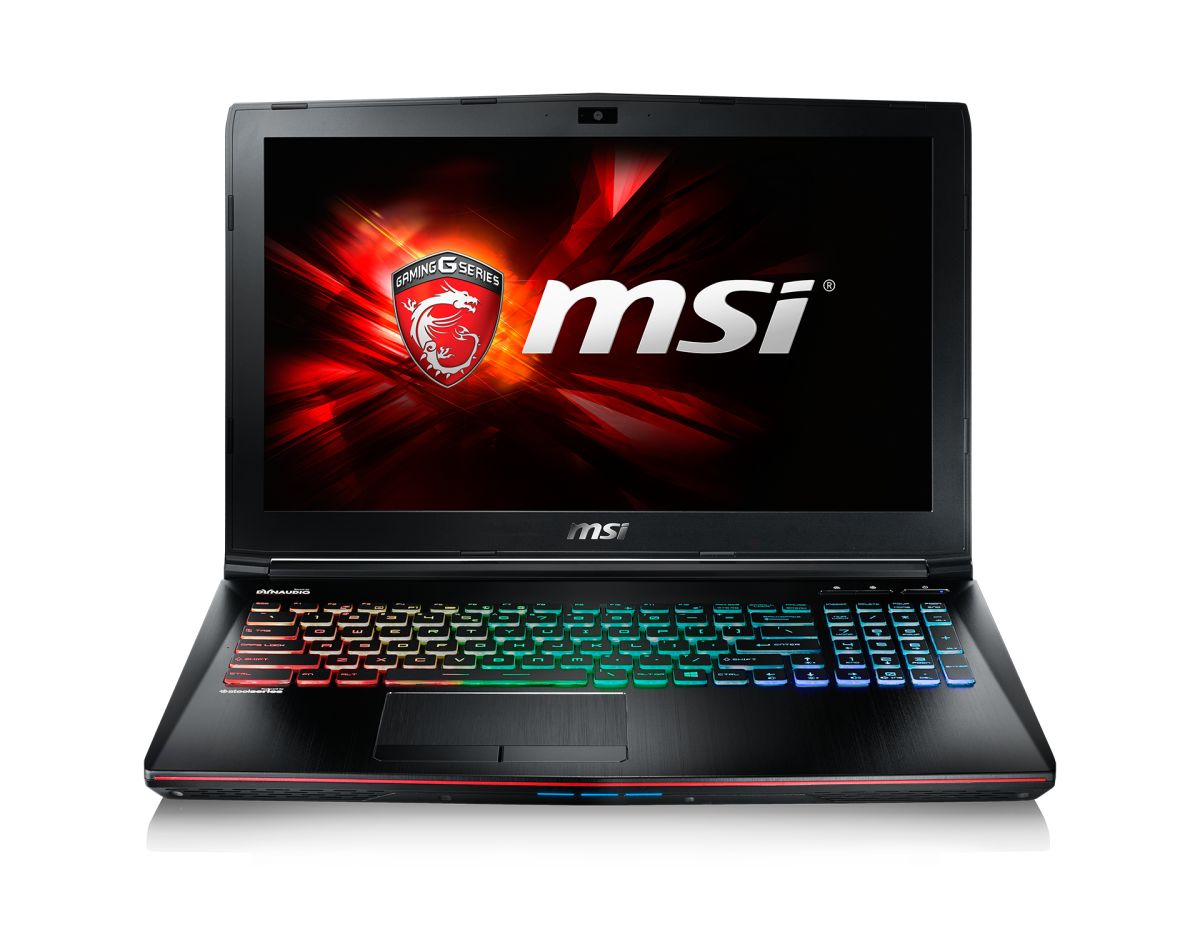
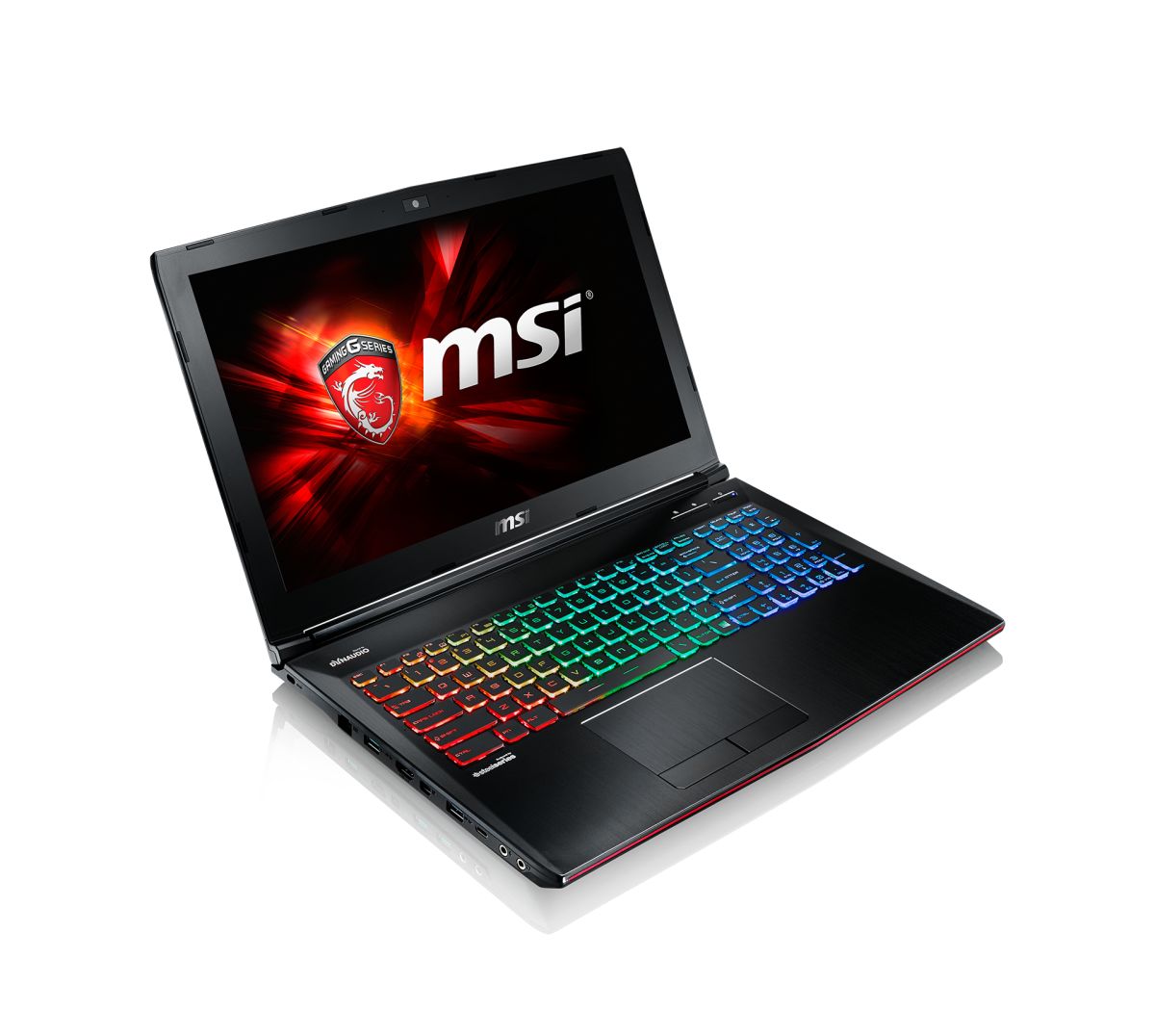
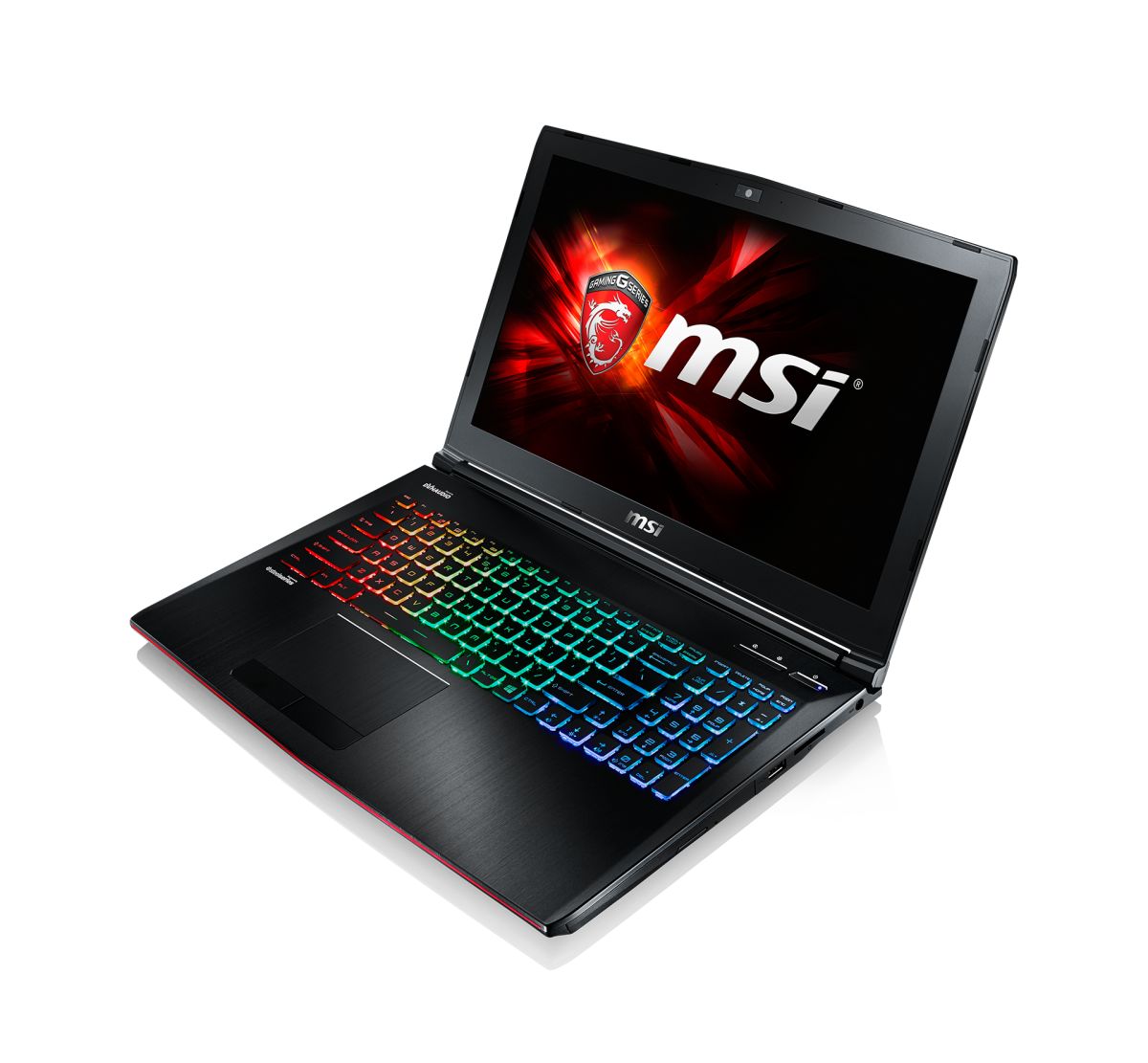
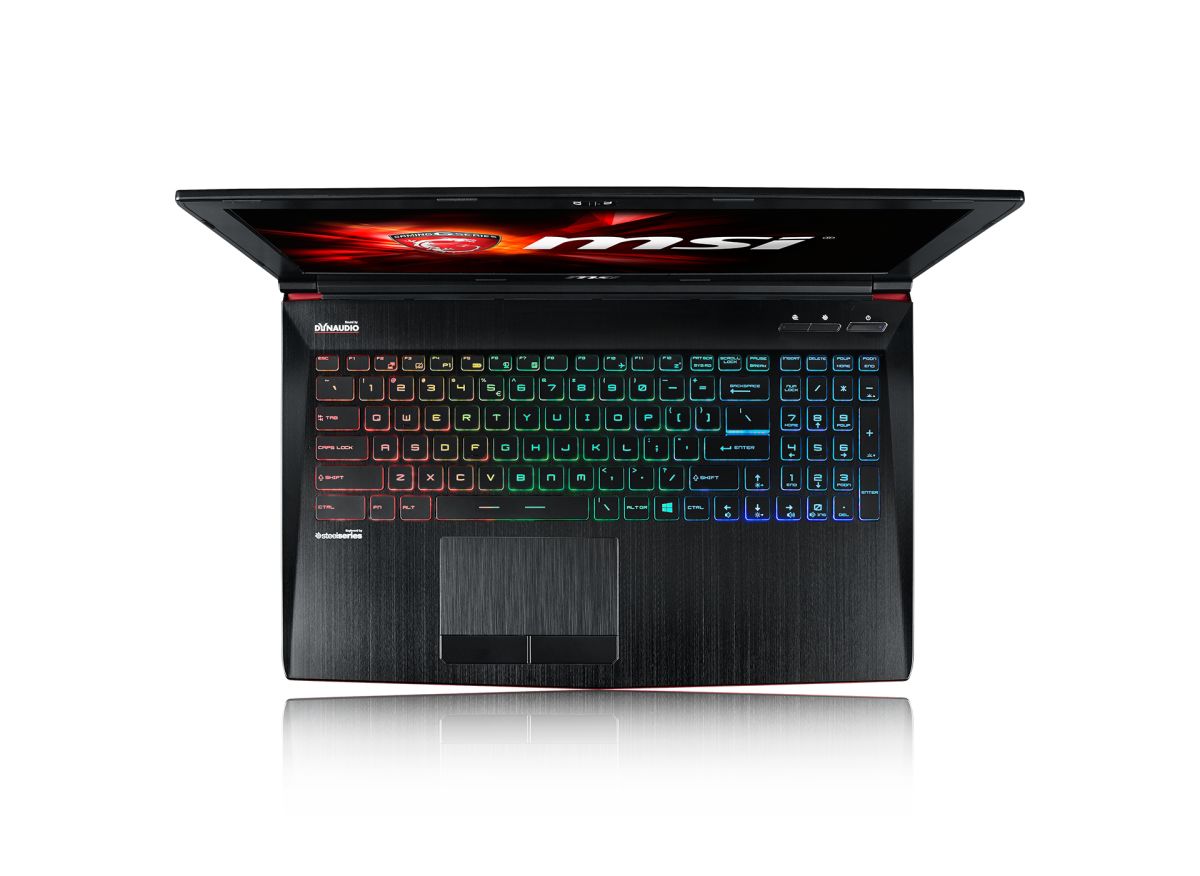
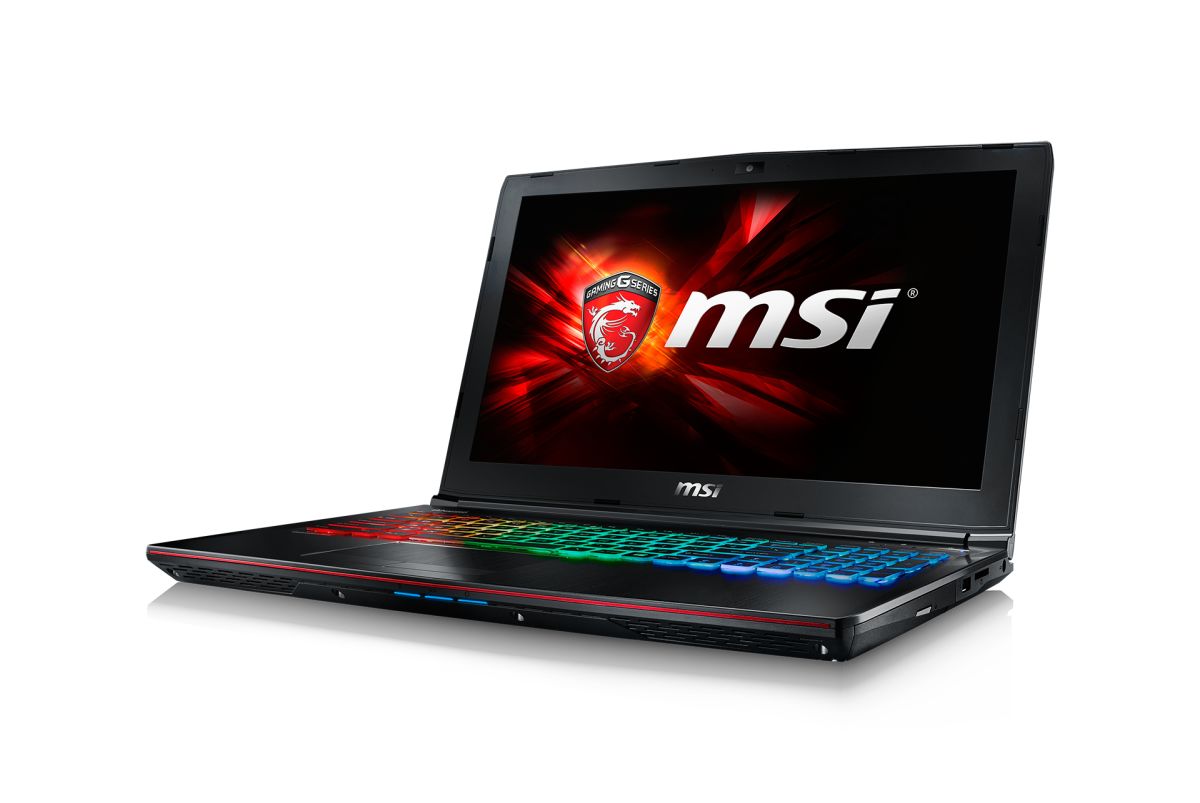
The MSI GE62 6QD-1064KR Apache Pro gaming laptop features DDR4-SDRAM memory upgrade capabilities. The device contains 2x SO-DIMM memory slots supporting a maximum RAM capacity of 32 GB. Compatible memory modules operate at 2133 MHz frequency and utilize SO-DIMM form factor specifications. Upgrade options allow users to expand the GE series laptop's memory configuration to enhance system performance and multitasking capabilities.
Memory Upgrade Specifications
| Specification | Value |
|---|---|
| Memory slots | 2x SO-DIMM |
| Form factor | SO-DIMM |
| Memory type | DDR4-SDRAM |
| Frequency | 2133 MHz |
| Maximum RAM | 32 GB |
| Voltage | 1.2V |
| Number of pins | 260-pin |
| Interface | PC4 |
| PC Speed Rating | PC4-2133 (PC4-17064) |
| Bandwidth | 17.1 GB/s |
| Laptop Release date | 04 June 2016 |
Additional Notes
- The MSI GE62 6QD-1064KR Apache Pro supports DDR4 technology, which operates at a lower voltage (1.2V) compared to DDR3, resulting in reduced heat generation during extended gaming sessions.
- The 2133 MHz frequency represents the base JEDEC standard for DDR4, meaning higher-speed modules will automatically downclock to this speed when installed.
- With only 2 SO-DIMM slots available, reaching the 32 GB maximum capacity requires purchasing two 16 GB modules rather than splitting across smaller increments.
- Single-slot configurations will operate in single-channel mode, potentially reducing memory bandwidth by approximately 50% compared to dual-channel operation.
- SO-DIMM modules are physically shorter (67.6 mm) than standard desktop DIMM modules, making desktop RAM incompatible with this form factor.
- The chipset enforces a hard 32 GB limit regardless of theoretical DDR4 capacity, preventing use of higher-density modules that may become available.
- Non-ECC unbuffered modules are required for consumer laptop platforms, as registered or ECC memory will not initialize during POST.
- Installation requires accessing the bottom panel of the chassis, with most gaming laptop warranties remaining valid for user-performed memory upgrades.
- Mixing different module capacities between slots is supported but may result in asymmetric channel operation, where only the matched capacity runs in dual-channel mode.
- The 2133 MHz specification indicates a cycle time of approximately 0.938 nanoseconds per clock, establishing the baseline latency for memory operations.
- Thermal throttling may occur if modules without adequate heat spreaders are installed, particularly during sustained workloads that stress both CPU and GPU simultaneously.