MSI Gaming GE62 6QD-1077XCN Apache Pro RAM upgrade specifications
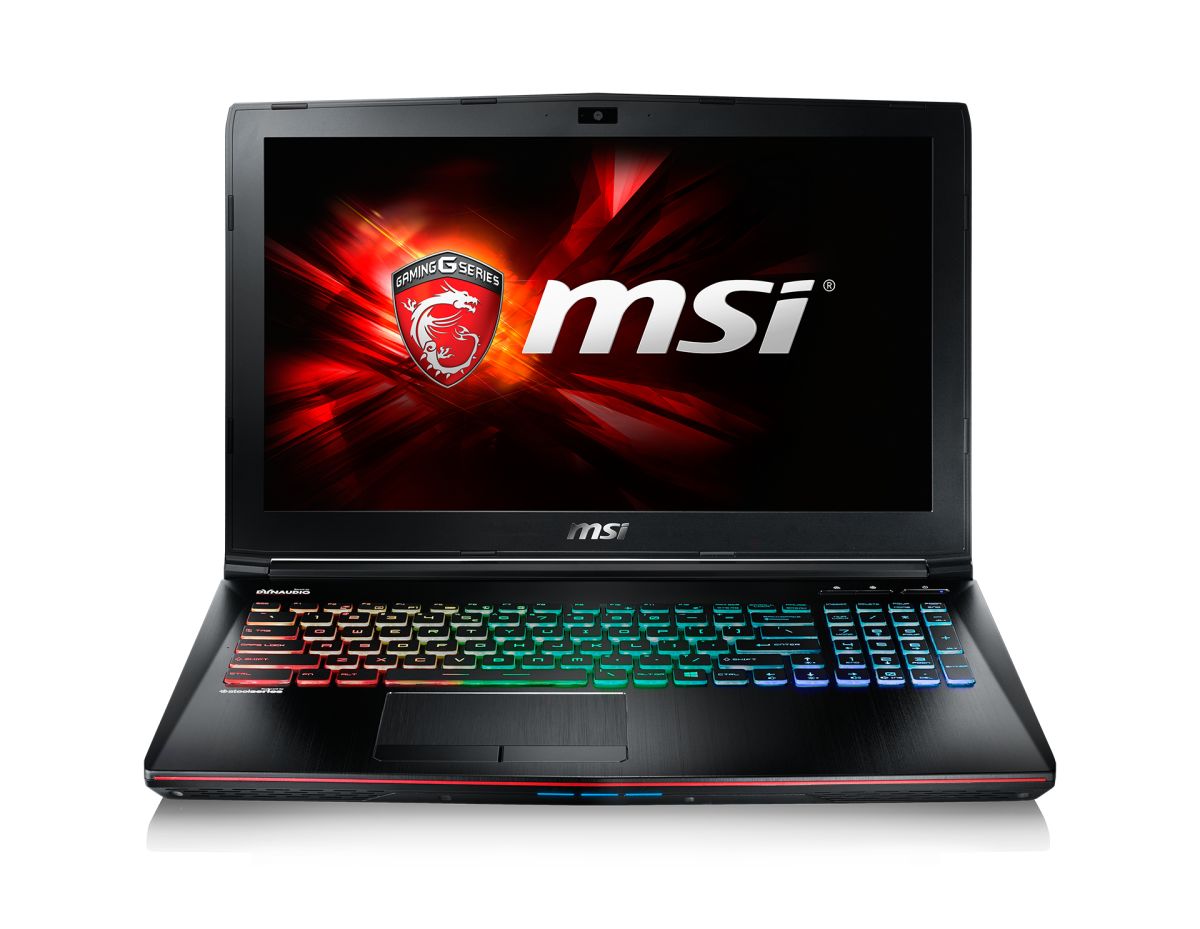
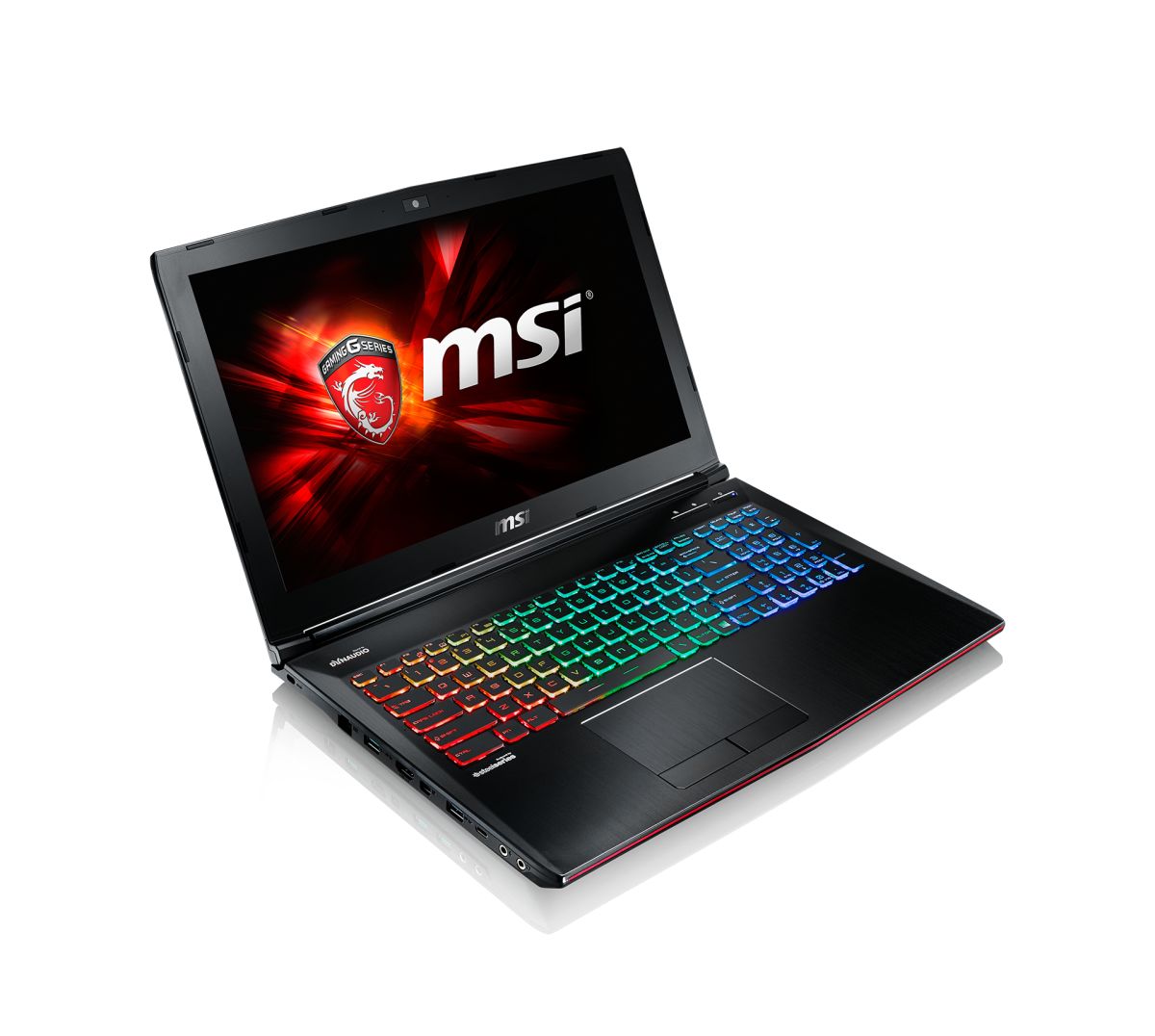
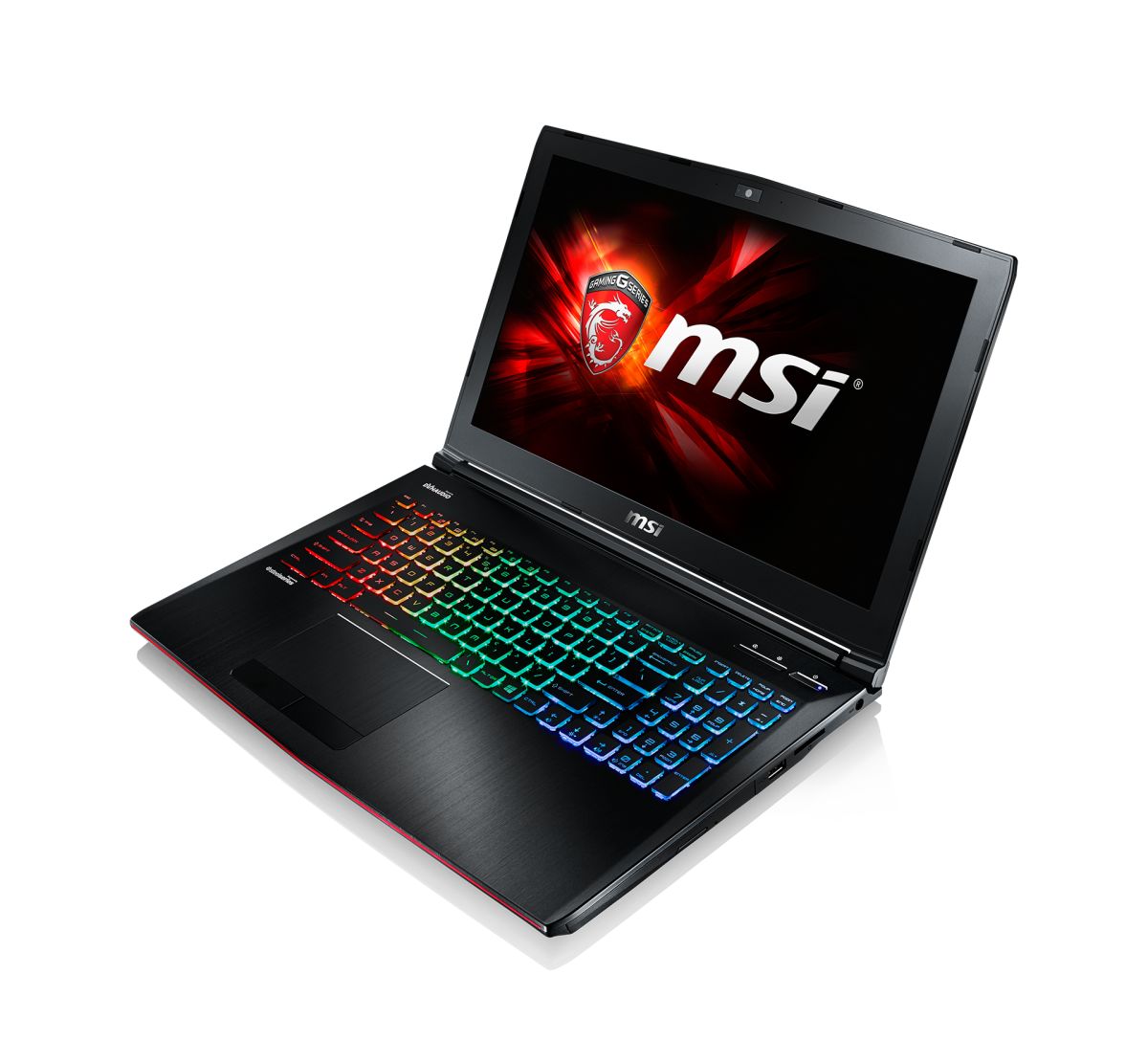
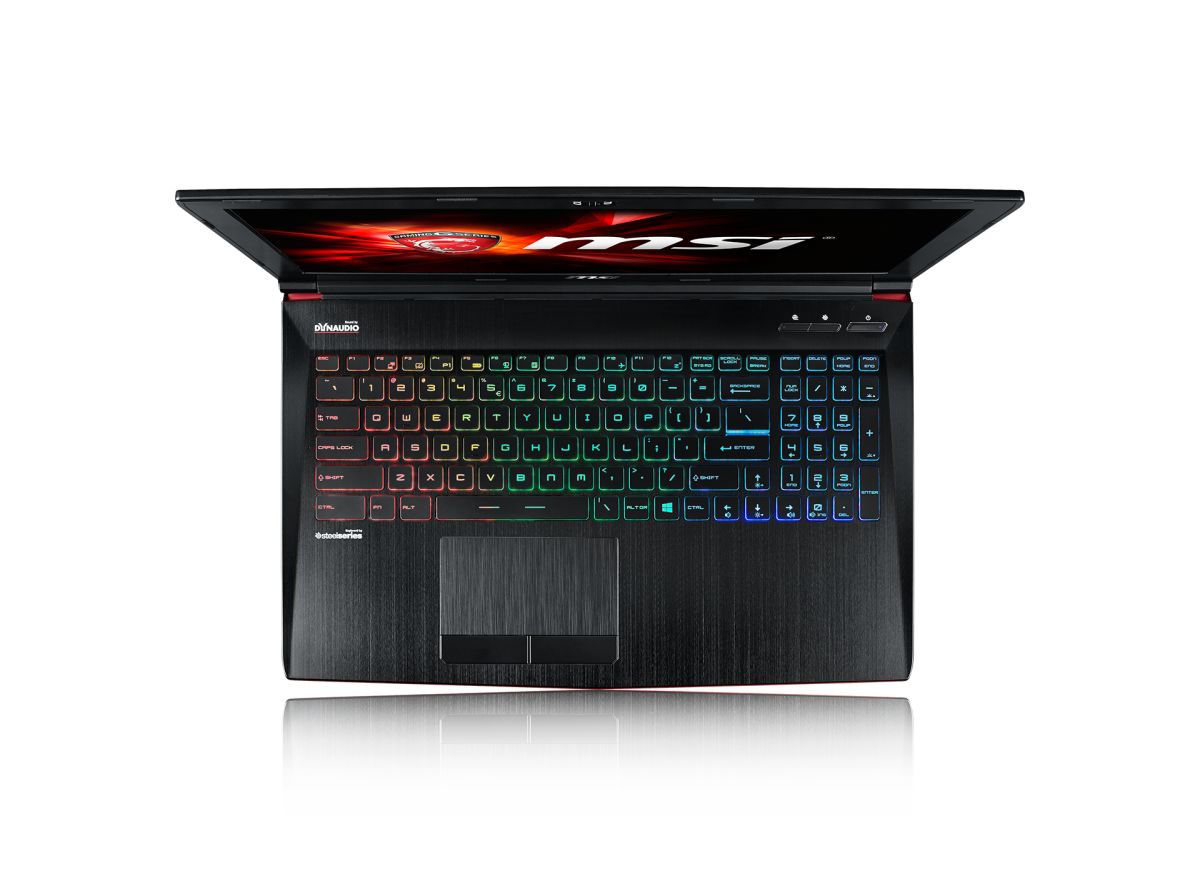
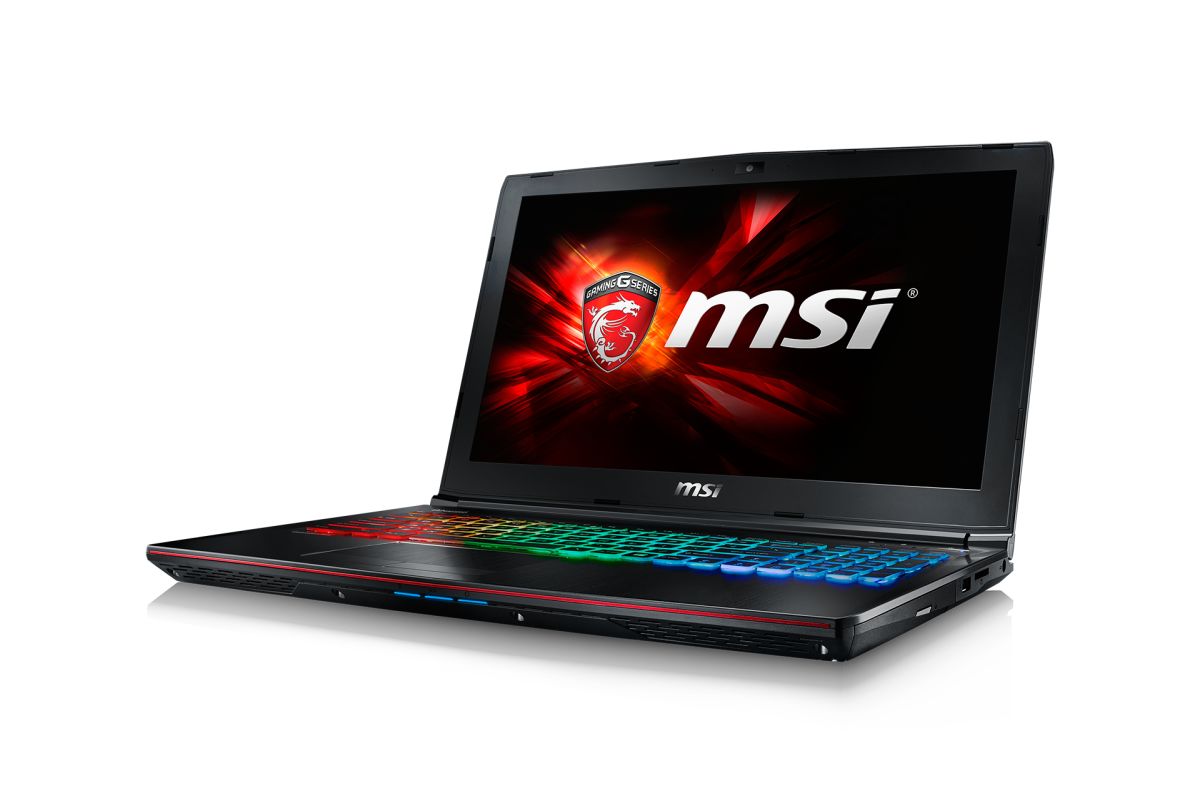
MSI GE62 6QD-1077XCN Apache Pro gaming laptop supports DDR4-SDRAM memory upgrade through 2 SO-DIMM slots. Maximum compatible RAM capacity reaches 32 GB total. Memory operates at 2133 MHz frequency. Upgrade specifications indicate SO-DIMM form factor compatibility. The GE series gaming model supports memory expansion for enhanced multitasking and performance capabilities. Existing memory configuration can be upgraded by replacing or supplementing installed modules within slot availability constraints.
Memory Upgrade Specifications
| Specification | Value |
|---|---|
| Memory slots | 2x SO-DIMM |
| Form factor | SO-DIMM |
| Memory type | DDR4-SDRAM |
| Frequency | 2133 MHz |
| Maximum RAM | 32 GB |
| Voltage | 1.2V |
| Number of pins | 260-pin |
| Interface | PC4 |
| PC Speed Rating | PC4-2133 (PC4-17064) |
| Bandwidth | 17.1 GB/s |
| Laptop Release date | 26 August 2016 |
Additional Notes
- The DDR4-2133 specification indicates this MSI GE62 6QD-1077XCN Apache Pro operates on a single-channel or dual-channel architecture, where installing matched pairs delivers approximately double the memory bandwidth compared to single module configurations.
- The 32 GB ceiling across 2 slots necessitates 16 GB modules to reach maximum capacity, which may require replacing existing memory rather than supplementing it if lower-density modules are currently installed.
- DDR4 SO-DIMM modules manufactured after 2015 typically default to higher speeds like 2400 MHz or 2666 MHz but will downclock to 2133 MHz when installed, meaning faster-rated modules provide no performance advantage in this system.
- The SO-DIMM form factor requires laptop-specific modules with 260-pin connectors, making standard desktop DIMM memory physically incompatible regardless of matching speed or capacity specifications.
- Sixth-generation Intel mobile platforms supporting DDR4-2133 operate at 1.2V, so higher-voltage DDR3L modules will cause POST failures despite similar physical dimensions.
- Accessing the memory slots typically requires bottom panel removal, and some gaming laptop designs position one slot beneath the keyboard assembly, potentially complicating single-slot upgrades without full disassembly.
- The 2133 MHz native speed creates a 17 GB/s theoretical bandwidth ceiling in dual-channel mode, which may bottleneck GPU performance in VRAM-intensive gaming scenarios when integrated graphics shares system memory.
- Mixing modules with different densities or timings across the 2 slots can force the memory controller to operate at the slowest common specifications, reducing overall system performance below single-module baselines.
- Warranty preservation generally requires using Crucial, Kingston, or Corsair modules that meet JEDEC DDR4-2133 standards rather than XMP-profiled gaming memory designed for desktop overclocking.
- The absence of ECC support in consumer DDR4-2133 SO-DIMMs means bit-flip errors in scientific computing or prolonged rendering tasks will go undetected and uncorrected.