MSI Gaming GE62 6QD-641IT Apache Pro RAM upgrade specifications



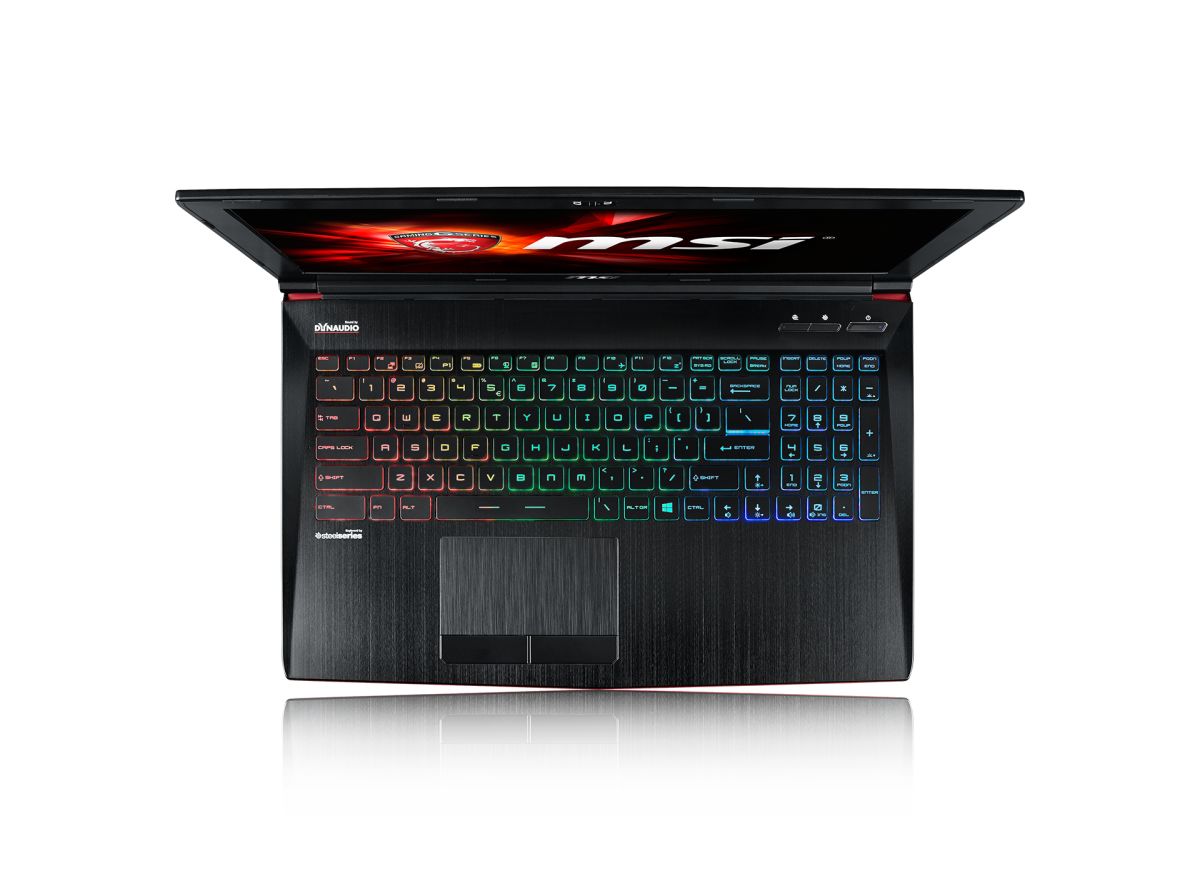

MSI GE62 6QD-641IT Apache Pro gaming laptop supports DDR4-SDRAM memory upgrades via two SO-DIMM slots. Maximum RAM capacity reaches 32 GB total, with compatible modules operating at 2133 MHz frequency. Upgrade specifications indicate SO-DIMM form factor memory modules are required for this gaming series model. Current memory configuration and available slots permit hardware expansion to accommodate increased performance requirements.
Memory Upgrade Specifications
| Specification | Value |
|---|---|
| Memory slots | 2x SO-DIMM |
| Form factor | SO-DIMM |
| Memory type | DDR4-SDRAM |
| Frequency | 2133 MHz |
| Maximum RAM | 32 GB |
| Voltage | 1.2V |
| Number of pins | 260-pin |
| Interface | PC4 |
| PC Speed Rating | PC4-2133 (PC4-17064) |
| Bandwidth | 17.1 GB/s |
| Laptop Release date | 30 March 2016 |
Additional Notes
- The MSI GE62 6QD-641IT Apache Pro utilizes standard 260-pin SO-DIMM modules, which differ physically from desktop DIMM modules and require laptop-specific memory purchases.
- DDR4-2133 represents the base JEDEC specification, meaning higher frequency modules will downclock to 2133 MHz due to chipset limitations in sixth-generation Intel platforms.
- The dual-channel architecture requires matched pairs for optimal bandwidth, as single-module configurations will operate at half the theoretical memory bandwidth of 34.1 GB/s.
- Sixth-generation Intel mobile platforms typically support DDR4 operating at 1.2V, making high-voltage or XMP-dependent modules incompatible without manual BIOS adjustments that may not be available.
- Maximum density of 32 GB indicates support for 16 GB modules per slot, which limits configurations to either 2x8 GB or 2x16 GB arrangements for capacity upgrades.
- The 2133 MHz specification reflects a platform constraint rather than a module limitation, as DDR4 technology supports significantly higher frequencies that remain inaccessible on this hardware.
- Memory installation requires bottom panel removal, where warranty seals may be present depending on regional regulations and purchase date.
- Non-ECC unbuffered modules are required, as mobile platforms lack the memory controller infrastructure for error-correcting or registered memory types.
- Mixing modules with different densities or timings may cause stability issues, though the system will typically default to the slowest common specifications across both slots.
- CAS latency variations at 2133 MHz typically range from CL15 to CL17, where lower values provide marginal performance improvements within the constrained bandwidth envelope.