MSI Gaming GE62 6QD-691NL Apache Pro RAM upgrade specifications
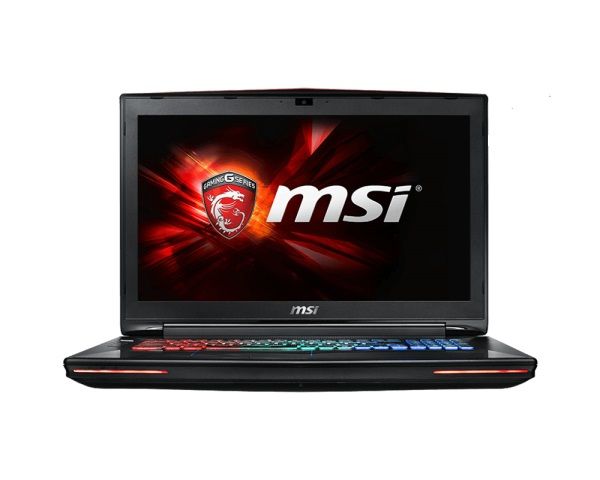
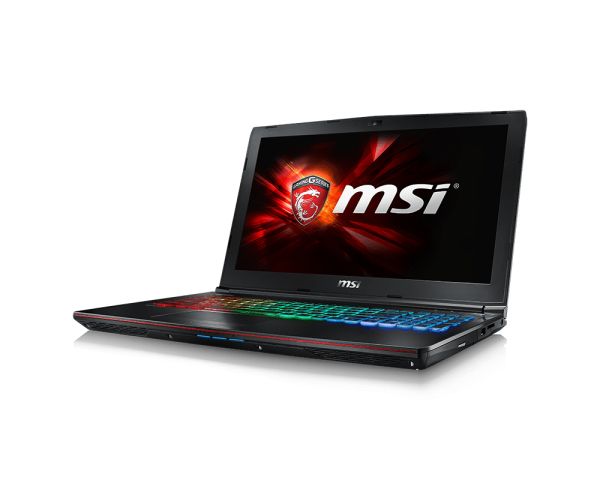
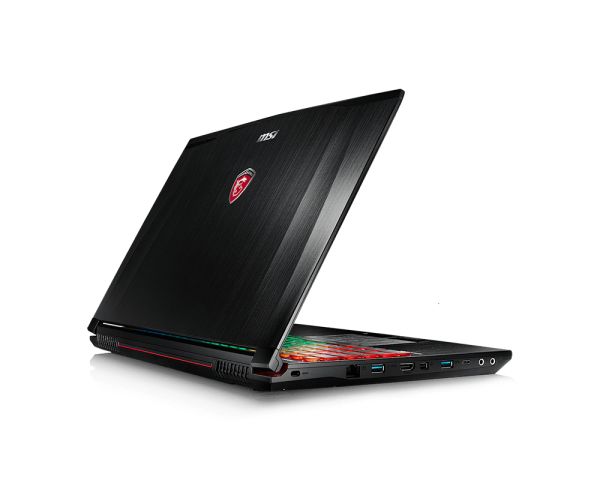
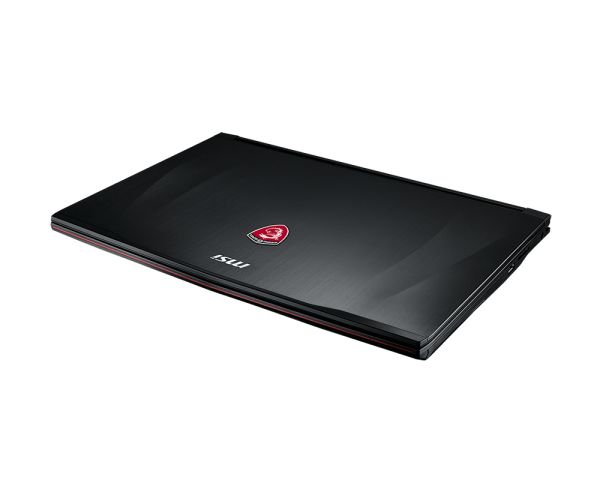
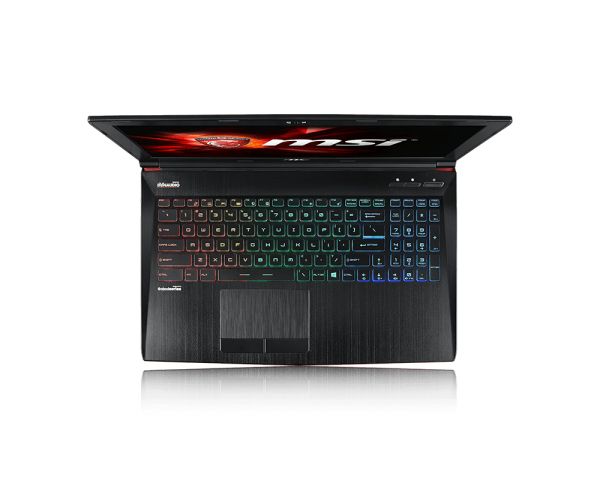
The MSI GE62 6QD-691NL Apache Pro gaming laptop features DDR4-SDRAM memory upgrade specifications with 2x SO-DIMM slots supporting maximum capacity of 32 GB RAM. Compatible memory modules operate at 2133 MHz frequency using the SO-DIMM form factor. Upgrade specifications indicate slots accommodate DDR4 memory, allowing users to expand system RAM to the maximum supported 32 GB capacity for enhanced performance in the GE Gaming series.
Memory Upgrade Specifications
| Specification | Value |
|---|---|
| Memory slots | 2x SO-DIMM |
| Form factor | SO-DIMM |
| Memory type | DDR4-SDRAM |
| Frequency | 2133 MHz |
| Maximum RAM | 32 GB |
| Voltage | 1.2V |
| Number of pins | 260-pin |
| Interface | PC4 |
| PC Speed Rating | PC4-2133 (PC4-17064) |
| Bandwidth | 17.1 GB/s |
| Laptop Release date | 07 April 2016 |
Additional Notes
- The MSI GE62 6QD-691NL Apache Pro chipset enforces a 32 GB ceiling across both slots combined, meaning dual-channel configurations are limited to 2x16 GB modules rather than higher-capacity alternatives.
- SO-DIMM modules rated above 2133 MHz will downclock to match the system's supported frequency, wasting the price premium paid for faster memory kits.
- DDR4-SDRAM operates at 1.2 volts standard, making low-voltage DDR3L modules electrically incompatible despite physical SO-DIMM similarity.
- Dual-channel operation requires matched pairs in both slots, as asymmetric configurations trigger single-channel mode and halve memory bandwidth to approximately 17 GB/s.
- CAS latency variations between 2133 MHz modules affect real-world responsiveness more than synthetic benchmarks suggest, with CL15 timing offering tighter response than CL19 at identical frequency.
- Sixth-generation Intel mobile platforms lack official support for JEDEC speeds beyond DDR4-2133, making XMP profiles irrelevant for this architecture.
- Non-ECC unbuffered modules remain the only compatible specification, as registered or error-correcting memory types fail POST initialization on consumer chipsets.
- Single-rank versus dual-rank module topology impacts interleaving efficiency, with dual-rank sticks providing marginal gains in memory-intensive workloads at identical capacity and frequency.
- Thermal constraints in gaming chassis make heat spreader selection relevant, though SO-DIMM form factor limits aftermarket cooling options compared to desktop configurations.
- Factory-installed memory typically uses standard JEDEC timings rather than tightened subtimings, leaving room for manual optimization in systems where BIOS exposes advanced memory settings.