MSI Gaming GE63 8SE Raider RGB RAM upgrade specifications
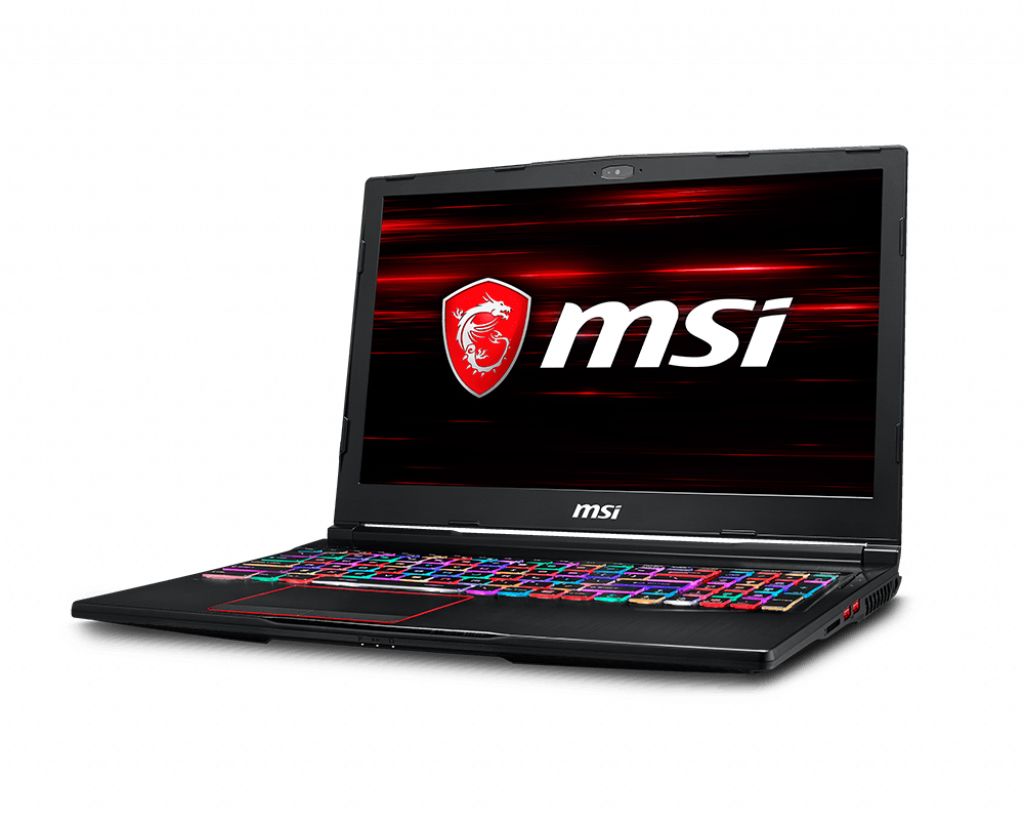

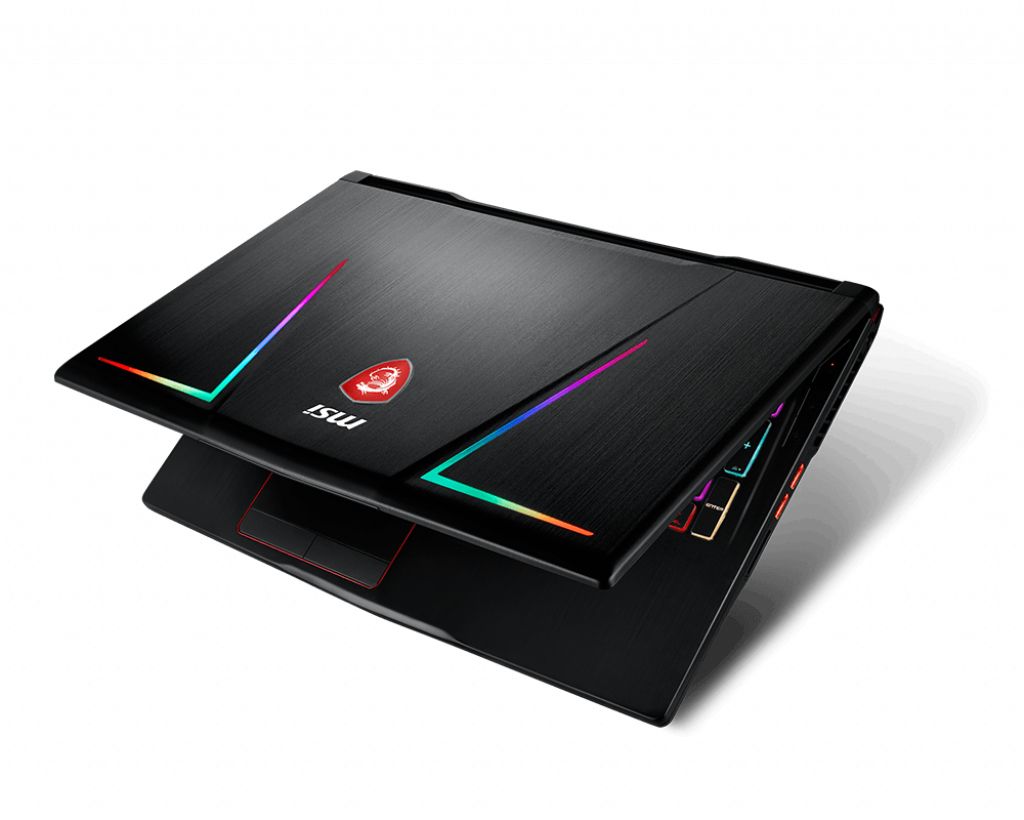
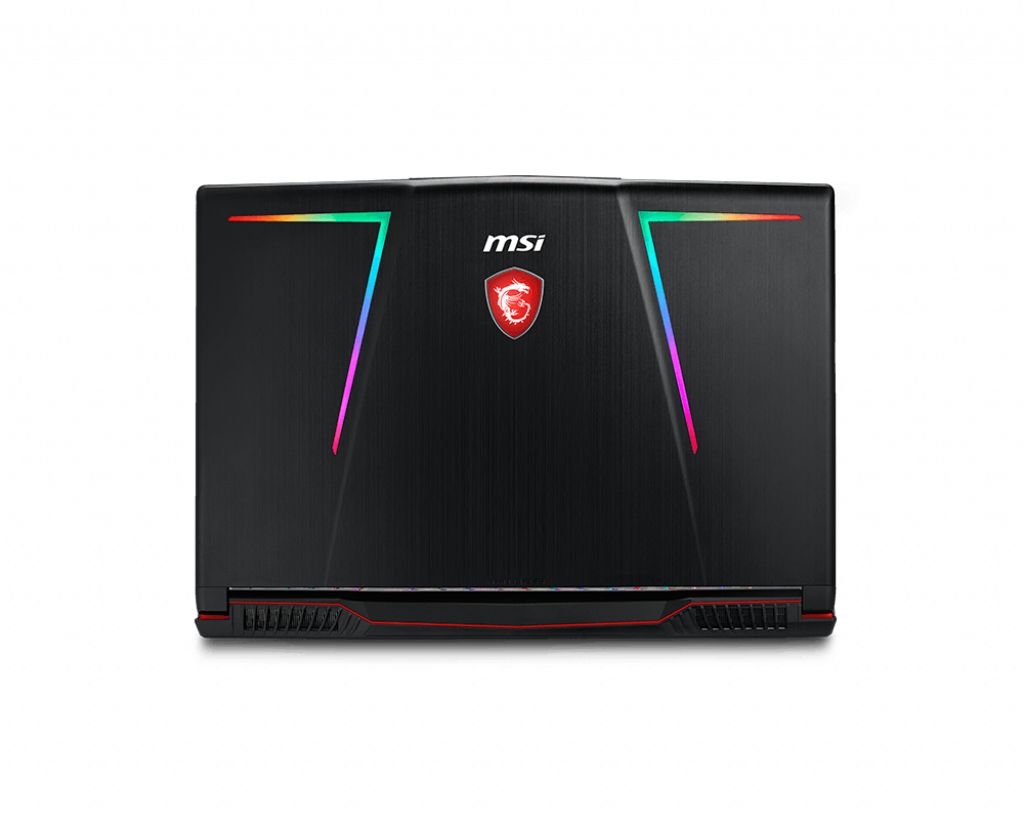
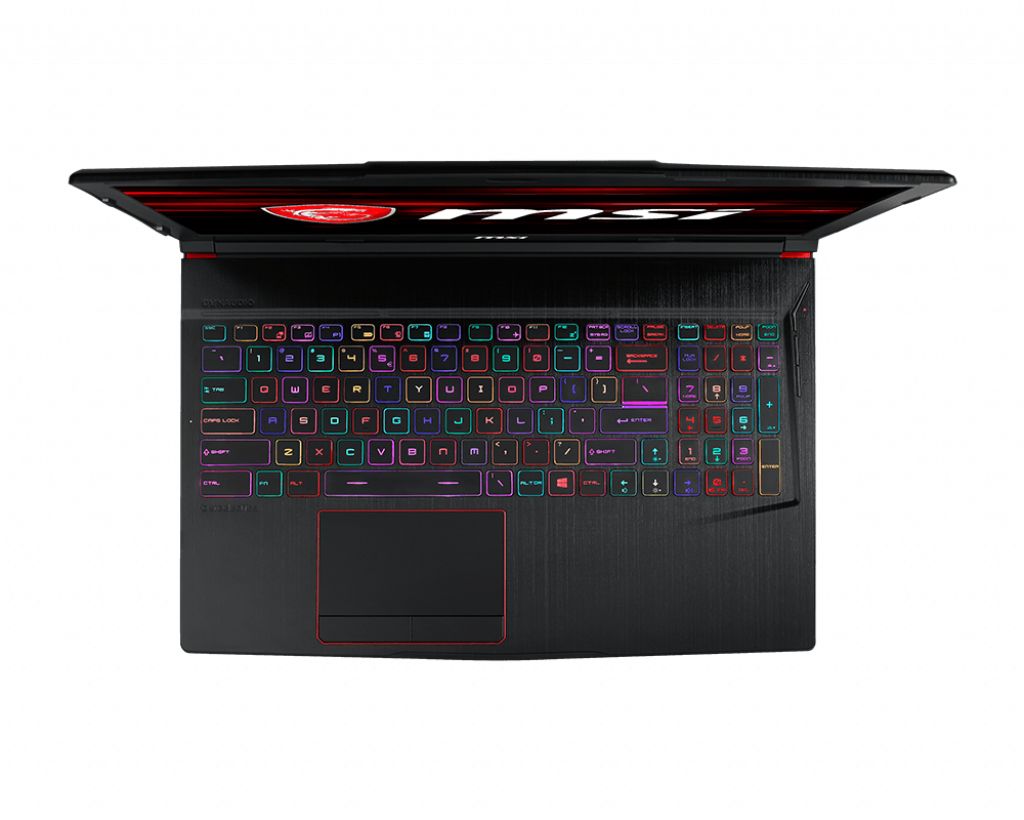
The MSI GE63 8SE Raider RGB gaming laptop contains two SO-DIMM slots for DDR4-SDRAM memory modules operating at 2666 MHz frequency. The upgrade specifications support a maximum RAM capacity of 32 GB total. Compatible memory modules must meet DDR4-SDRAM standards and utilize the SO-DIMM form factor for proper installation in the GE series gaming platform. Users can upgrade from factory-installed configuration by adding or replacing memory modules within the two available slots, provided total capacity does not exceed the maximum supported specifications.
Memory Upgrade Specifications
| Specification | Value |
|---|---|
| Memory slots | 2x SO-DIMM |
| Form factor | SO-DIMM |
| Memory type | DDR4-SDRAM |
| Frequency | 2666 MHz |
| Maximum RAM | 32 GB |
| Voltage | 1.2V |
| Number of pins | 260-pin |
| Interface | PC4 |
| PC Speed Rating | PC4-2666 (PC4-21328) |
| Bandwidth | 21.3 GB/s |
| Laptop Release date | 25 May 2019 |
Additional Notes
- The MSI GE63 8SE Raider RGB contains 2 SO-DIMM slots with a theoretical maximum capacity of 32 GB, which means the system supports dual-channel architecture at full density when both slots are populated with 16 GB modules.
- DDR4-2666 MHz operation creates a potential bandwidth limitation relative to newer DDR4 standards (3200 MHz+), resulting in measurable performance gaps when the system is paired with high-end processors or discrete GPUs that benefit from faster memory throughput.
- SO-DIMM memory modules occupy confined physical space beneath the keyboard deck; installation requires partial disassembly of the chassis and carries elevated risk of component damage compared to desktop RAM installation procedures.
- Upgrading beyond the factory configuration voids most manufacturer warranties unless performed by authorized service centers; third-party RAM installation typically falls outside covered defect protection.
- DDR4-2666 modules remain widely available in the aftermarket, but sourcing matched pairs (identical capacity, speed, and latency) is necessary to maintain dual-channel performance and system stability during memory-intensive workloads.
- The 2-slot constraint means expansion is binary: users can populate both slots or leave one empty, with no flexibility to add a third or fourth module at a later date.
- Memory compatibility depends on SO-DIMM form factor and DDR4 electrical specifications; non-standard timings, voltage profiles, or capacities outside the 32 GB ceiling will prevent POST and require BIOS troubleshooting or hardware replacement.