MSI Gaming GE63 8SE-006BE Raider RGB RAM upgrade specifications


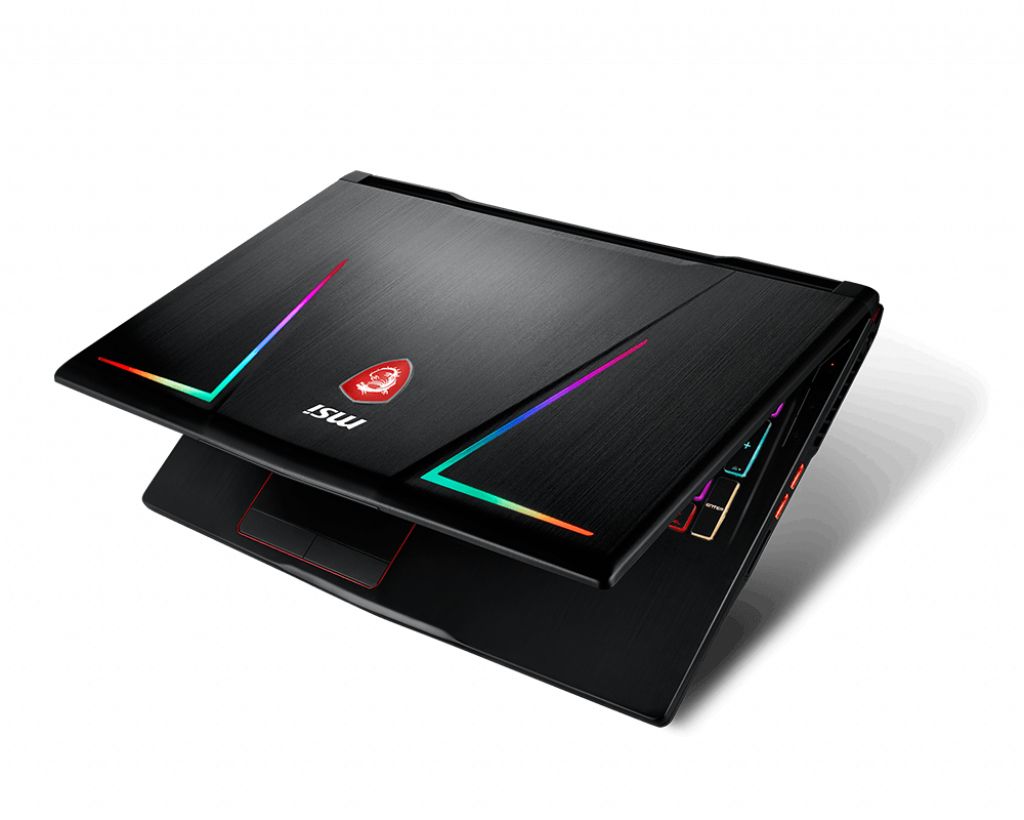
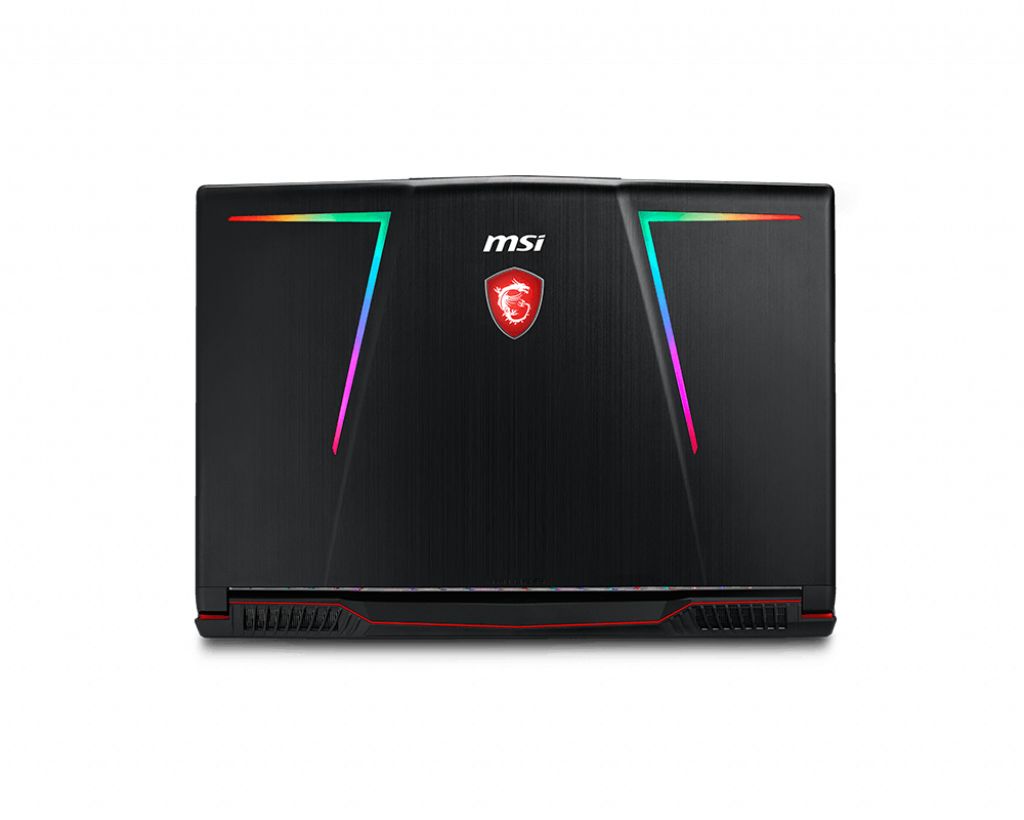

The MSI GE63 8SE-006BE Raider RGB gaming laptop contains two SO-DIMM slots for DDR4-SDRAM memory upgrades. The system supports a maximum capacity of 32 GB total memory running at 2666 MHz frequency. Upgrade specifications indicate compatible DDR4 modules function within the SO-DIMM form factor standard. The GE series Gaming family laptop allows memory expansion through dual slot configuration, with each slot capable of accommodating single modules to reach maximum supported capacity.
Memory Upgrade Specifications
| Specification | Value |
|---|---|
| Memory slots | 2x SO-DIMM |
| Form factor | SO-DIMM |
| Memory type | DDR4-SDRAM |
| Frequency | 2666 MHz |
| Maximum RAM | 32 GB |
| Voltage | 1.2V |
| Number of pins | 260-pin |
| Interface | PC4 |
| PC Speed Rating | PC4-2666 (PC4-21328) |
| Bandwidth | 21.3 GB/s |
| Laptop Release date | 31 January 2019 |
Additional Notes
- The 32 GB ceiling reflects chipset-level addressing limits rather than slot physical constraints, preventing recognition of higher-capacity modules even when physically compatible.
- DDR4-2666 operation requires JEDEC standard timing validation, as non-XMP SO-DIMM modules prevent the frequency negotiation mechanisms common in desktop platforms.
- Dual-channel architecture mandates matched module capacities for symmetric bandwidth utilization, though mismatched configurations will default to single-channel operation without preventing boot.
- SO-DIMM installation in the MSI GE63 8SE-006BE Raider RGB requires bottom panel removal, where thermal paste proximity and ribbon cable routing create potential warranty seal disruption points.
- Mixing modules with different CAS latencies forces all installed memory to operate at the slowest timing specification, creating performance regression possibilities with incremental upgrades.
- Native 2666 MHz support eliminates BIOS underclocking from higher-rated modules, though voltage specification mismatches between 1.2V standard and 1.35V low-voltage modules may prevent POST completion.
- The 260-pin SO-DIMM interface requires notch alignment verification, as DDR3 modules share similar physical dimensions but incompatible electrical characteristics that risk permanent damage.
- Thermal headroom depends on module height clearance beneath the keyboard assembly, where heat spreader designs exceeding standard profiles may contact internal chassis structures.
- Rank configuration affects memory controller load, with dual-rank modules per slot potentially limiting stable operation compared to equivalent capacity single-rank alternatives.
- ECC memory compatibility remains absent in consumer mobile chipsets despite physical SO-DIMM availability, resulting in feature degradation or boot failure when installed.