MSI Gaming GE63 8SF-226LU Raider RGB RAM upgrade specifications
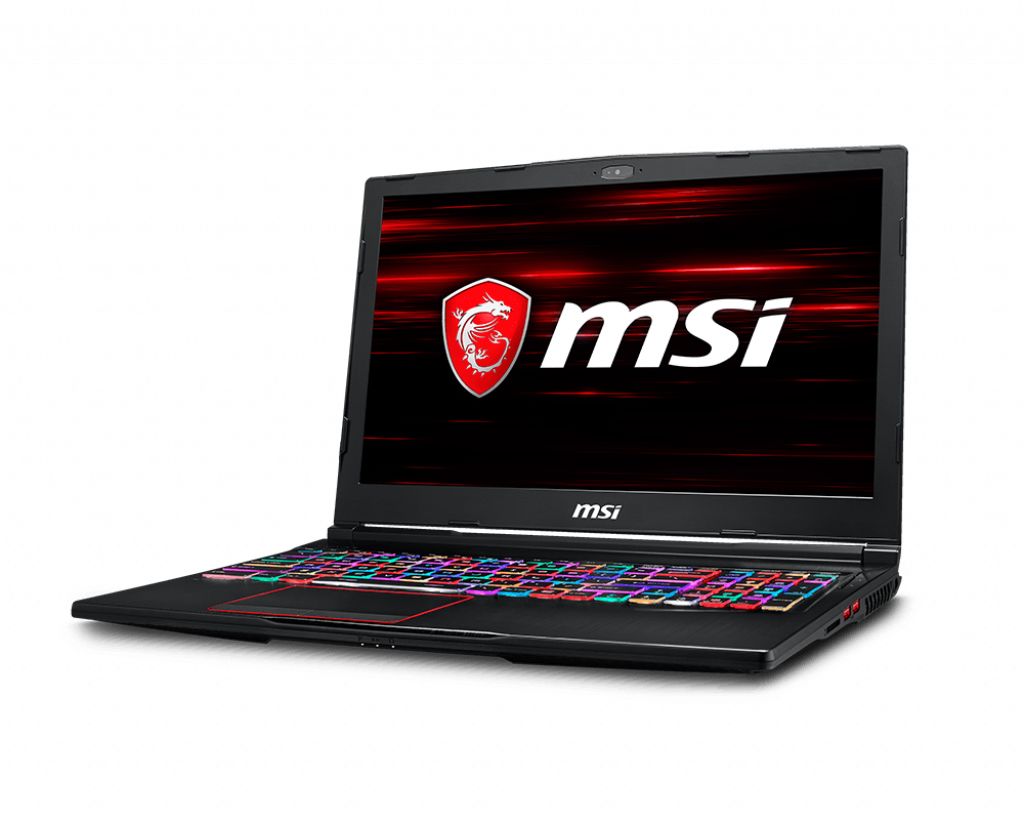
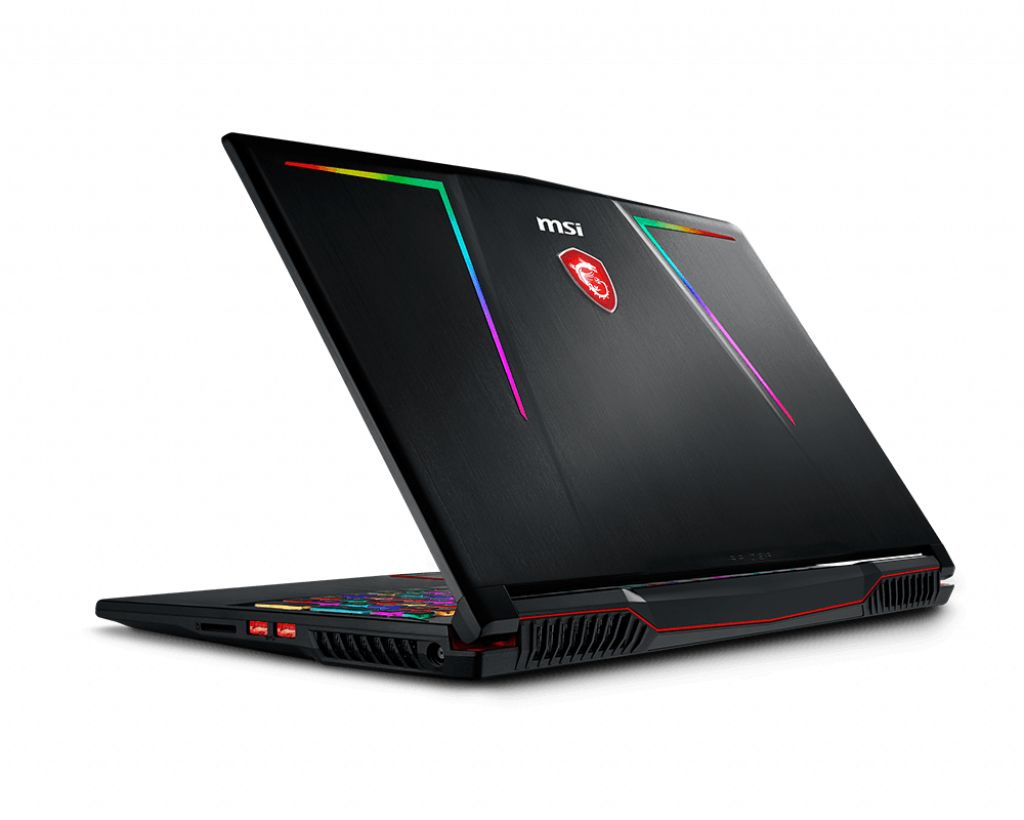
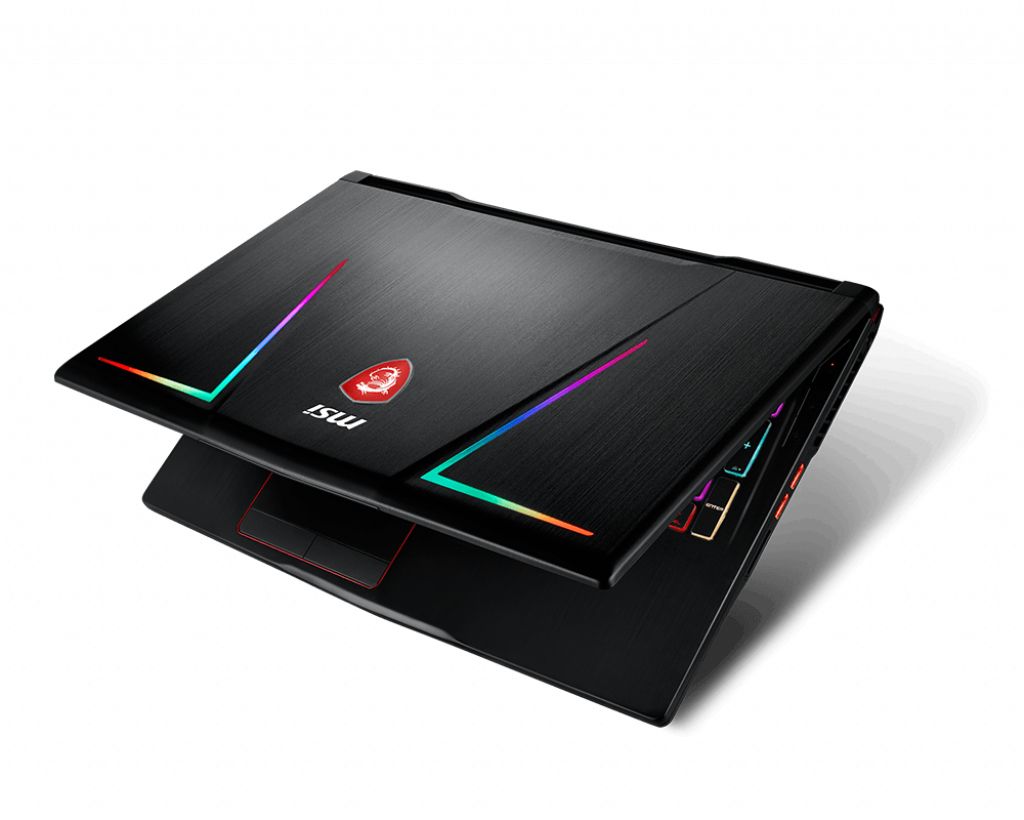
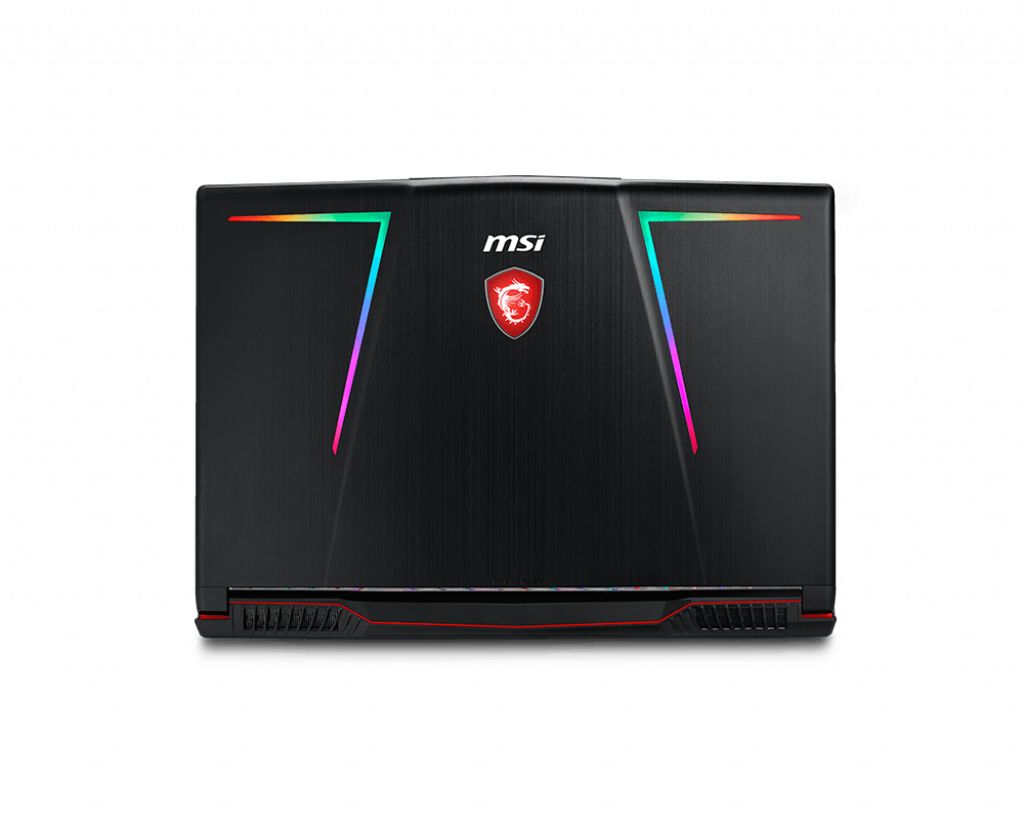
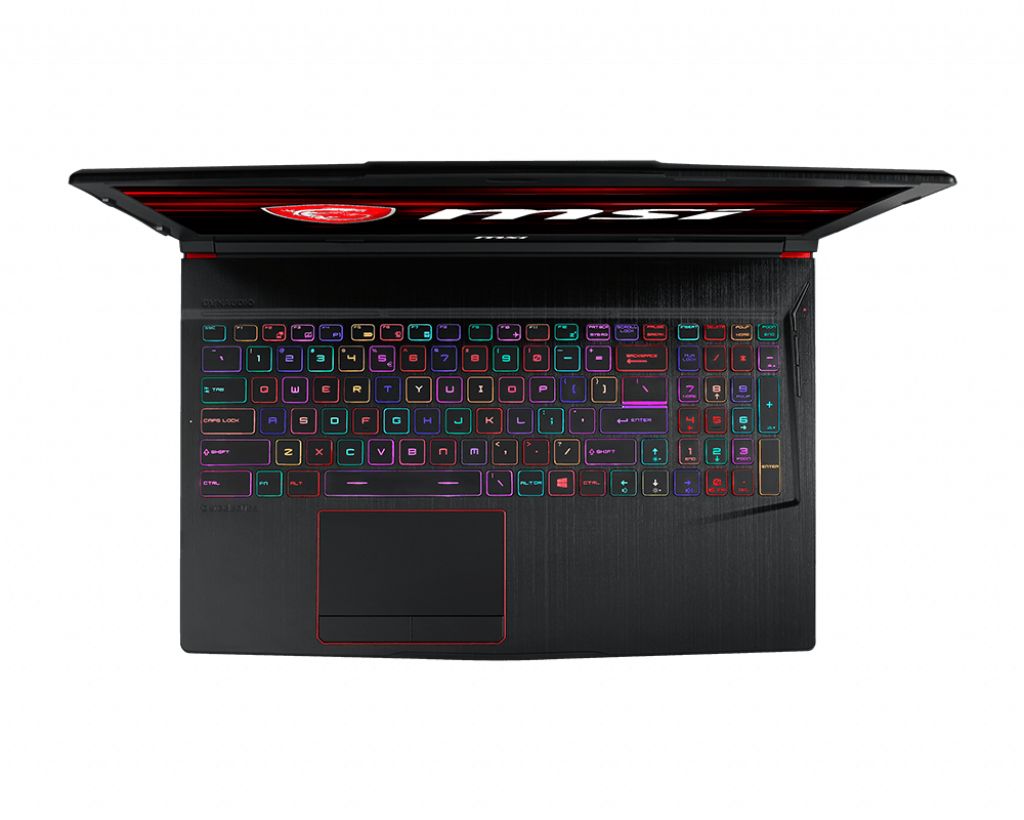
The MSI GE63 8SF-226LU Raider RGB gaming laptop features DDR4-SDRAM memory upgrade specifications. The device contains two SO-DIMM slots for RAM expansion, supporting maximum memory capacity of 32 GB total. Compatible memory modules operate at 2666 MHz frequency. Users seeking RAM upgrades for the GE Gaming GE63 8SF-226LU Raider RGB model should reference SO-DIMM form factor specifications and DDR4 compatibility parameters when selecting upgrade components for this laptop configuration.
Memory Upgrade Specifications
| Specification | Value |
|---|---|
| Memory slots | 2x SO-DIMM |
| Form factor | SO-DIMM |
| Memory type | DDR4-SDRAM |
| Frequency | 2666 MHz |
| Maximum RAM | 32 GB |
| Voltage | 1.2V |
| Number of pins | 260-pin |
| Interface | PC4 |
| PC Speed Rating | PC4-2666 (PC4-21328) |
| Bandwidth | 21.3 GB/s |
| Laptop Release date | 31 January 2019 |
Additional Notes
- The MSI GE63 8SF-226LU Raider RGB memory controller architecture imposes a 32 GB ceiling, which prevents installation of higher-capacity modules even if physically compatible SO-DIMM sticks are available in the market.
- DDR4-2666 represents the validated maximum frequency, meaning modules rated at 2933 MHz or 3200 MHz will downclock to 2666 MHz through JEDEC fallback protocols, eliminating any premium paid for higher-speed RAM.
- The dual-channel SO-DIMM configuration requires symmetrical module pairing (identical capacity and timings) to maintain bandwidth optimization, as mismatched pairs force single-channel operation with approximately 50% memory throughput reduction.
- SO-DIMM physical dimensions mandate 260-pin modules measuring 67.6 mm in length, which excludes standard desktop DIMM modules from compatibility regardless of matching electrical specifications.
- Accessing both memory slots typically requires complete bottom panel removal rather than dedicated access doors, extending service time and potentially affecting thermal paste condition if heatsink dismounting becomes necessary.
- Non-ECC unbuffered modules represent the only compatible DDR4 variant, as server-grade ECC SO-DIMMs will either fail POST initialization or operate without error correction functionality.
- Voltage specifications locked at 1.2V standard exclude low-voltage DDR4L modules, which may cause boot failures or system instability despite physical installation compatibility.
- Thermal constraints within the chassis limit sustained memory performance under combined CPU and GPU workloads, as SO-DIMM modules lack dedicated cooling provisions beyond ambient chassis airflow.
- Warranty preservation requires avoiding contact with surrounding components during installation, particularly the nearby heat pipes and wireless card assembly that share proximity with the memory bay.
- CAS latency variations between CL19 and CL15 modules at 2666 MHz produce minimal real-world performance deltas (typically under 3%), making premium low-latency kits economically inefficient for this platform.