MSI Gaming GE63 8SF-077FR Raider RGB RAM upgrade specifications


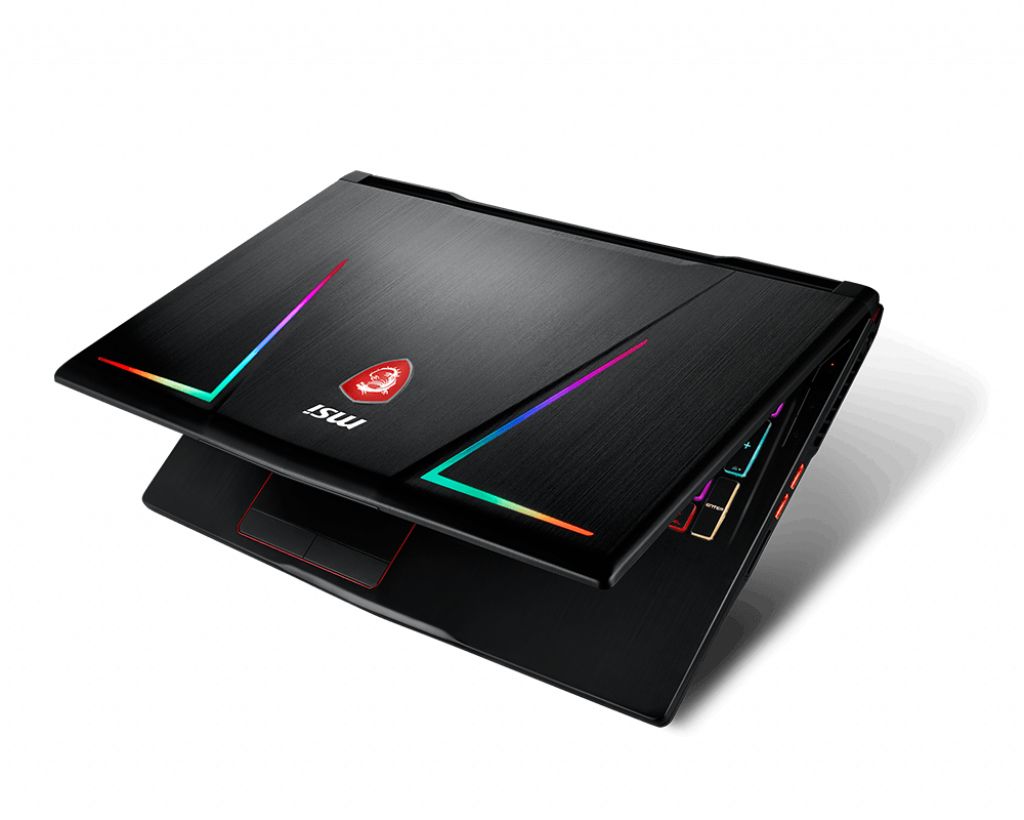
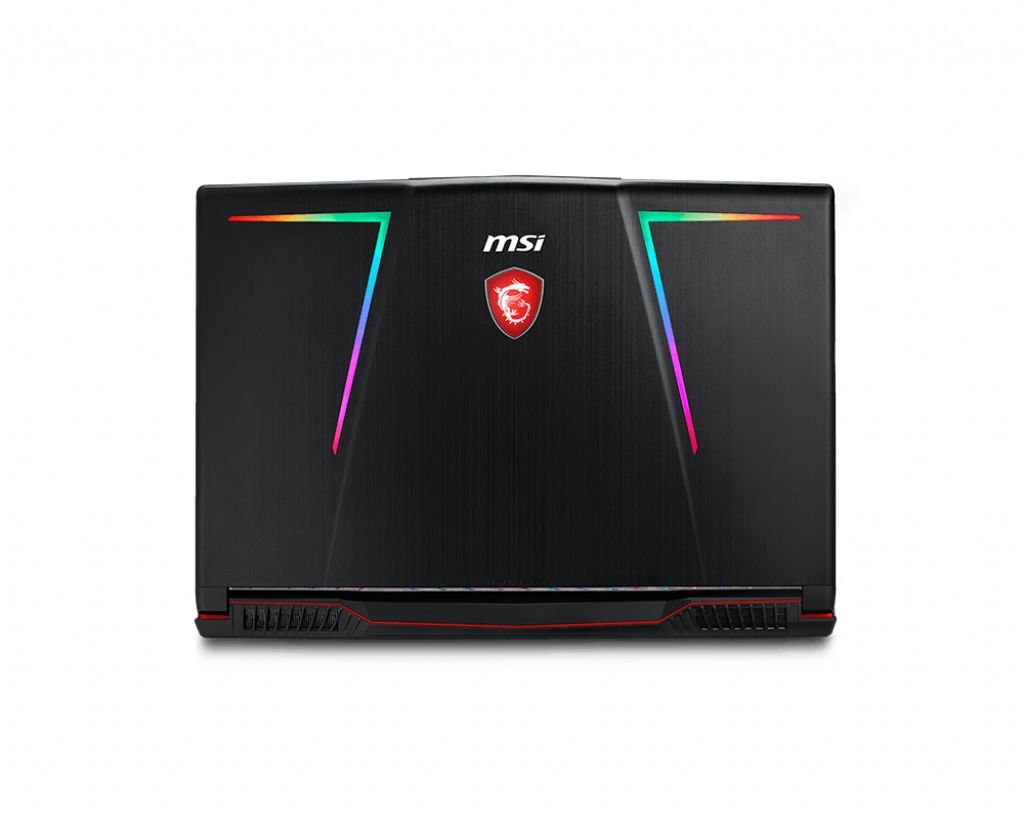
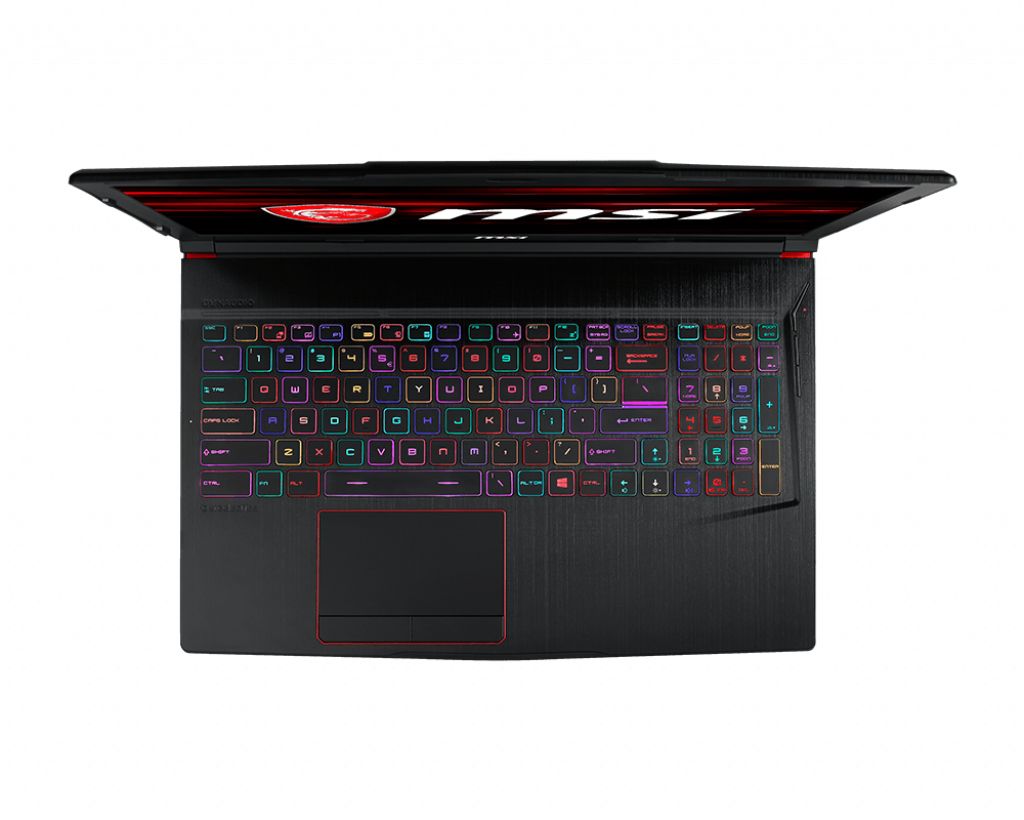
The MSI GE63 8SF-077FR Raider RGB gaming laptop features DDR4-SDRAM memory configuration with 2x SO-DIMM slots supporting maximum capacity of 32 GB RAM. Upgrade specifications indicate compatibility with DDR4 memory operating at 2666 MHz frequency. The SO-DIMM form factor provides the standard memory upgrade pathway for this GE series model. Users can expand memory capacity by installing compatible DDR4 modules in available slots to enhance system performance and multitasking capabilities.
Memory Upgrade Specifications
| Specification | Value |
|---|---|
| Memory slots | 2x SO-DIMM |
| Form factor | SO-DIMM |
| Memory type | DDR4-SDRAM |
| Frequency | 2666 MHz |
| Maximum RAM | 32 GB |
| Voltage | 1.2V |
| Number of pins | 260-pin |
| Interface | PC4 |
| PC Speed Rating | PC4-2666 (PC4-21328) |
| Bandwidth | 21.3 GB/s |
| Laptop Release date | 07 June 2019 |
Additional Notes
- The MSI GE63 8SF-077FR Raider RGB dual-slot configuration requires matched pair installation to activate dual-channel mode, which doubles memory bandwidth from 21.3 GB/s to 42.6 GB/s for sustained GPU-intensive workloads.
- DDR4-2666 represents the Intel 8th generation platform's JEDEC standard ceiling, meaning higher frequency modules will downclock to 2666 MHz unless XMP profiles are supported and enabled in BIOS.
- The 32 GB maximum capacity enforces a 2x16 GB configuration as the only path to full memory utilization, eliminating future incremental upgrade options once the limit is reached.
- SO-DIMM installation requires bottom panel removal on most gaming chassis of this generation, with potential warranty sticker disruption depending on regional service policies.
- Non-ECC unbuffered modules are mandatory for consumer platforms, as registered or error-correcting variants will cause POST failure despite matching the physical form factor.
- Mixing different module densities across the two slots will force single-channel operation on asymmetric configurations, halving effective memory bandwidth compared to matched pairs.
- The 2666 MHz specification assumes 1.2V standard operating voltage, with higher voltage aftermarket modules risking thermal throttling in confined laptop cooling environments.
- CAS latency tolerance varies by manufacturer implementation, though CL19 and CL17 modules both function within the JEDEC DDR4-2666 standard without performance-critical timing conflicts.
- Module height restrictions typical to gaming laptops limit compatibility to standard SO-DIMM profiles, excluding enthusiast modules with extended heat spreaders exceeding 30 mm clearance.
- Upgrading from single-channel factory configurations to dual-channel arrangements yields measurable frame rate improvements in integrated graphics scenarios, though discrete GPU benefits remain workload-dependent.