MSI Gaming GE63 8SF-062PL Raider RGB RAM upgrade specifications
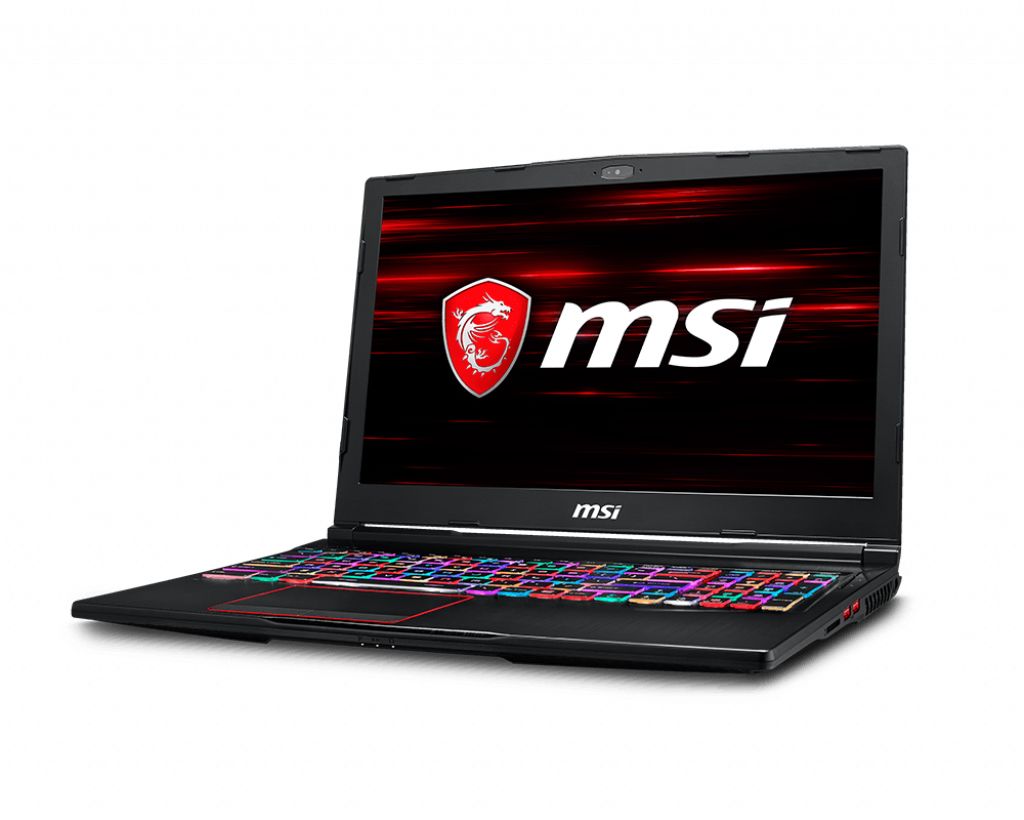
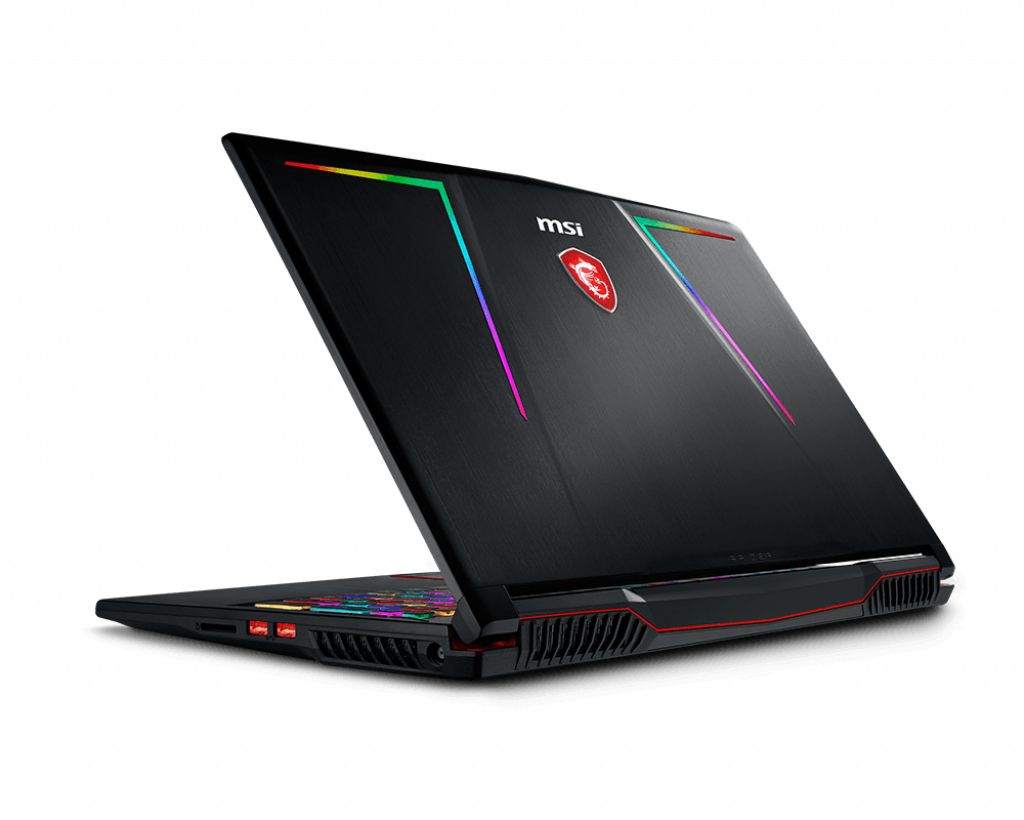
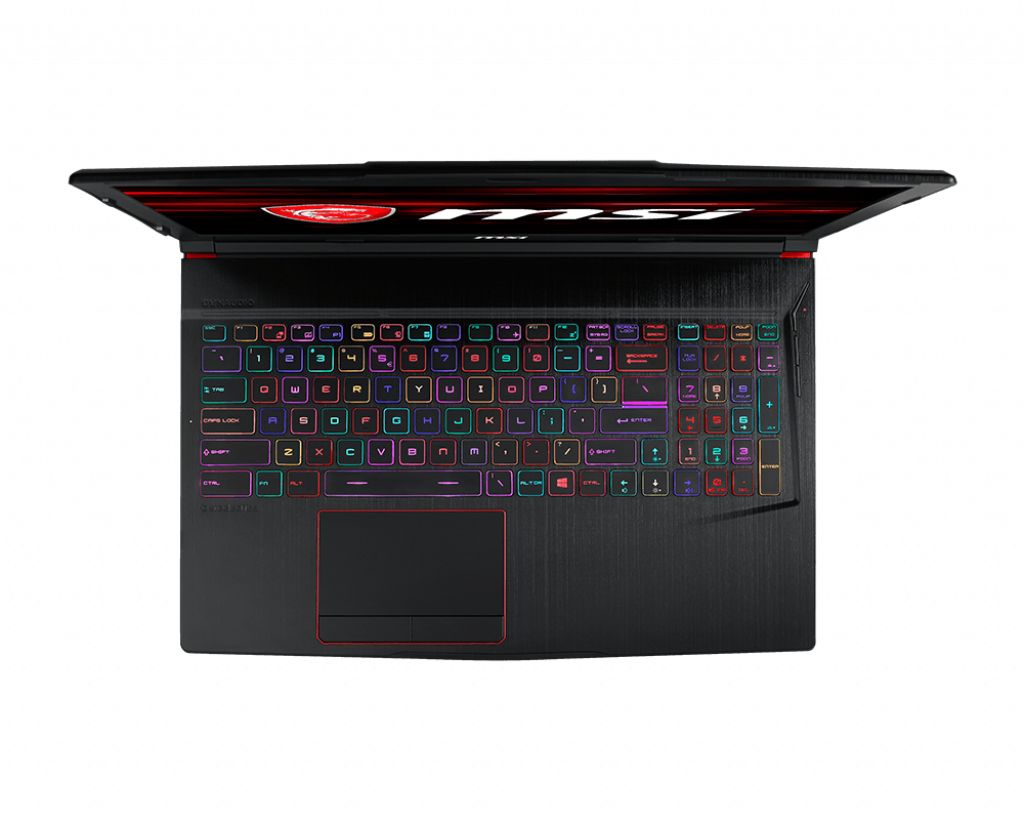
The MSI GE63 8SF-062PL Raider RGB Gaming series laptop features DDR4-SDRAM memory specifications supporting maximum RAM capacity of 32 GB. The upgrade configuration includes 2x SO-DIMM slots for memory expansion. Compatible RAM modules operate at 2666 MHz frequency with SO-DIMM form factor. Specifications detail the available upgrade pathways for the GE63 8SF-062PL Raider RGB model within the MSI Gaming family lineup.
Memory Upgrade Specifications
| Specification | Value |
|---|---|
| Memory slots | 2x SO-DIMM |
| Form factor | SO-DIMM |
| Memory type | DDR4-SDRAM |
| Frequency | 2666 MHz |
| Maximum RAM | 32 GB |
| Voltage | 1.2V |
| Number of pins | 260-pin |
| Interface | PC4 |
| PC Speed Rating | PC4-2666 (PC4-21328) |
| Bandwidth | 21.3 GB/s |
| Laptop Release date | 24 January 2019 |
Additional Notes
- The 32 GB ceiling reflects chipset-level addressing limitations common to 8th-generation Intel mobile platforms, preventing recognition of higher-capacity modules even when physically compatible.
- Installing modules rated above 2666 MHz will force automatic downclocking to match the supported frequency, yielding no performance benefit despite higher cost.
- SO-DIMM architecture requires low-profile modules without heat spreaders taller than 3 centimeters to clear the chassis cavity and keyboard assembly during installation.
- Mismatched module capacities between slots will disable dual-channel operation, cutting memory bandwidth approximately in half and reducing frame rates in GPU-intensive workloads.
- Third-party RAM installation on the MSI GE63 8SF-062PL Raider RGB typically voids warranty coverage unless performed by authorized service centers or explicitly permitted under regional consumer protection laws.
- Non-ECC unbuffered modules are mandatory, as the consumer-grade memory controller lacks error-correction logic and registered DIMM compatibility.
- Mixing DDR4 generations with different voltage specifications risks boot failures or thermal throttling due to incompatible SPD profiles programmed into module firmware.
- Single-rank versus dual-rank module topology affects interleaving efficiency, with dual-rank configurations offering marginal latency improvements in sustained sequential workloads.
- The 2666 MHz specification represents JEDEC standard speeds rather than overclocked XMP profiles, ensuring stable operation without manual BIOS timing adjustments.
- Both slots must remain accessible without motherboard removal, though certain configurations require partial disassembly of bottom panel shielding and battery disconnect procedures.