MSI Gaming GE63 8SF-031XES Raider RGB RAM upgrade specifications
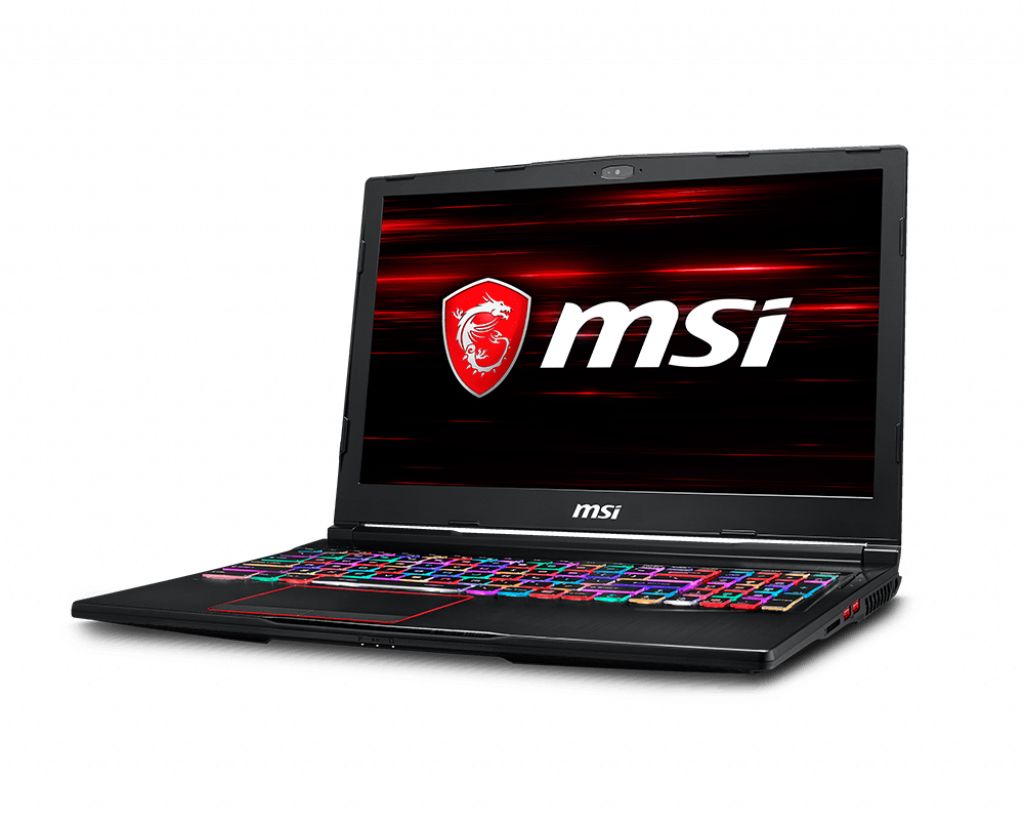
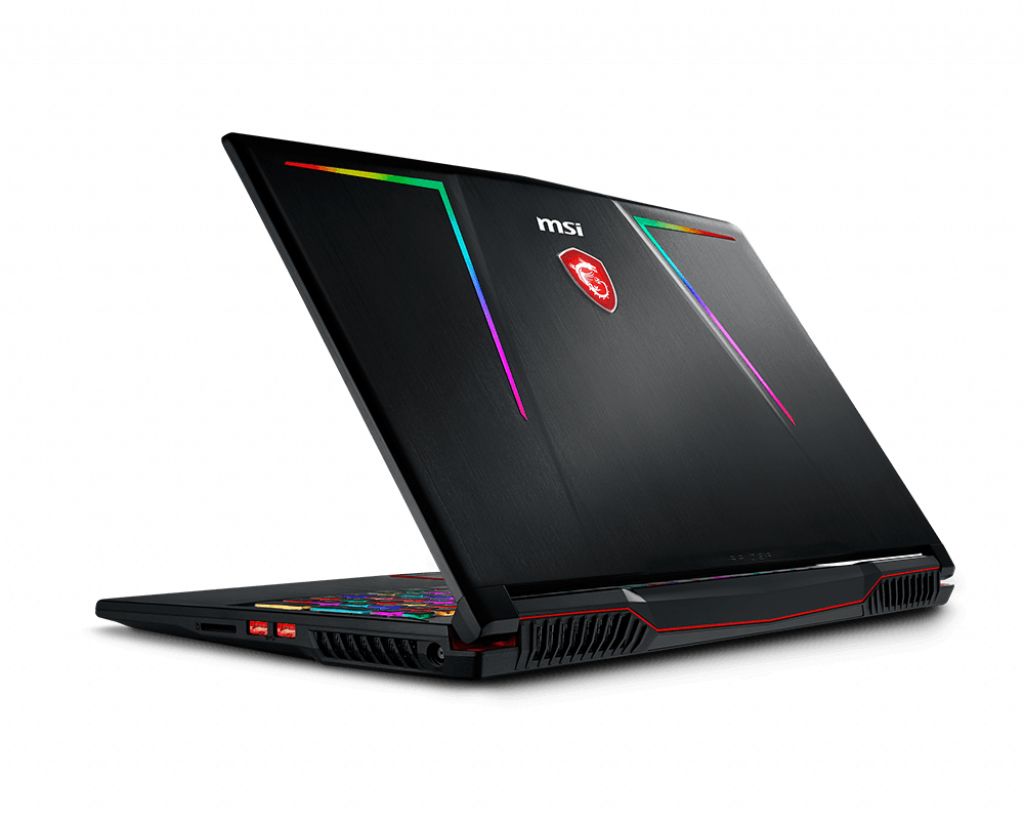
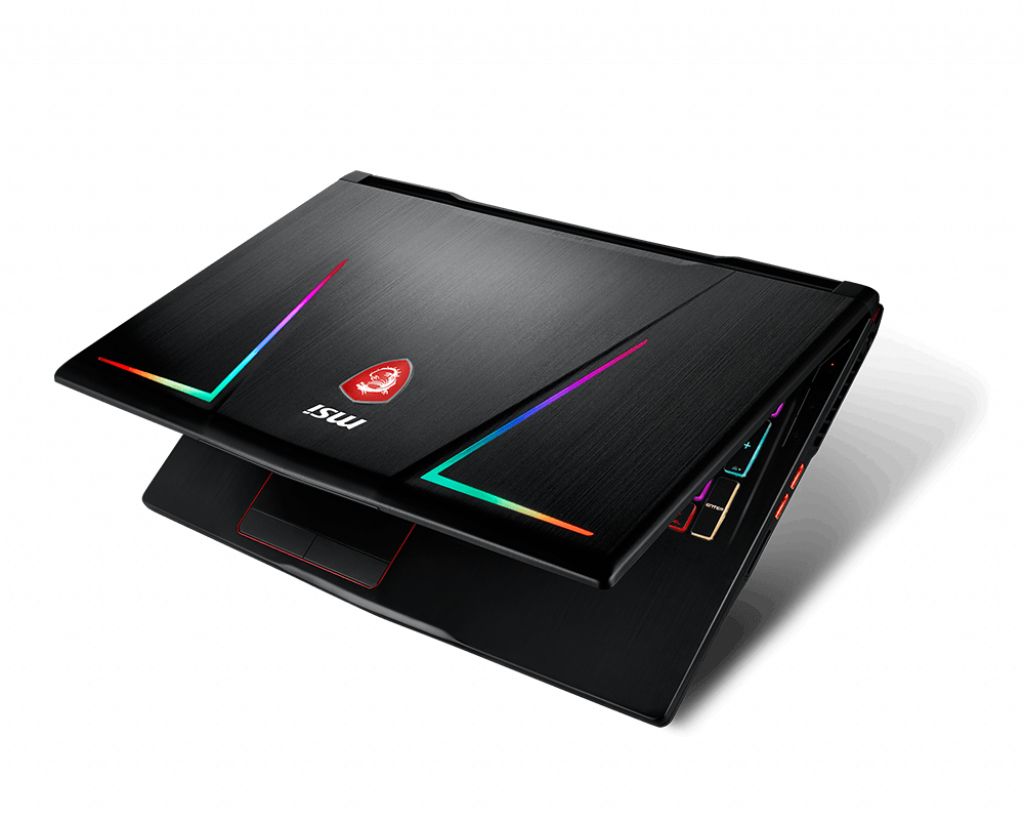
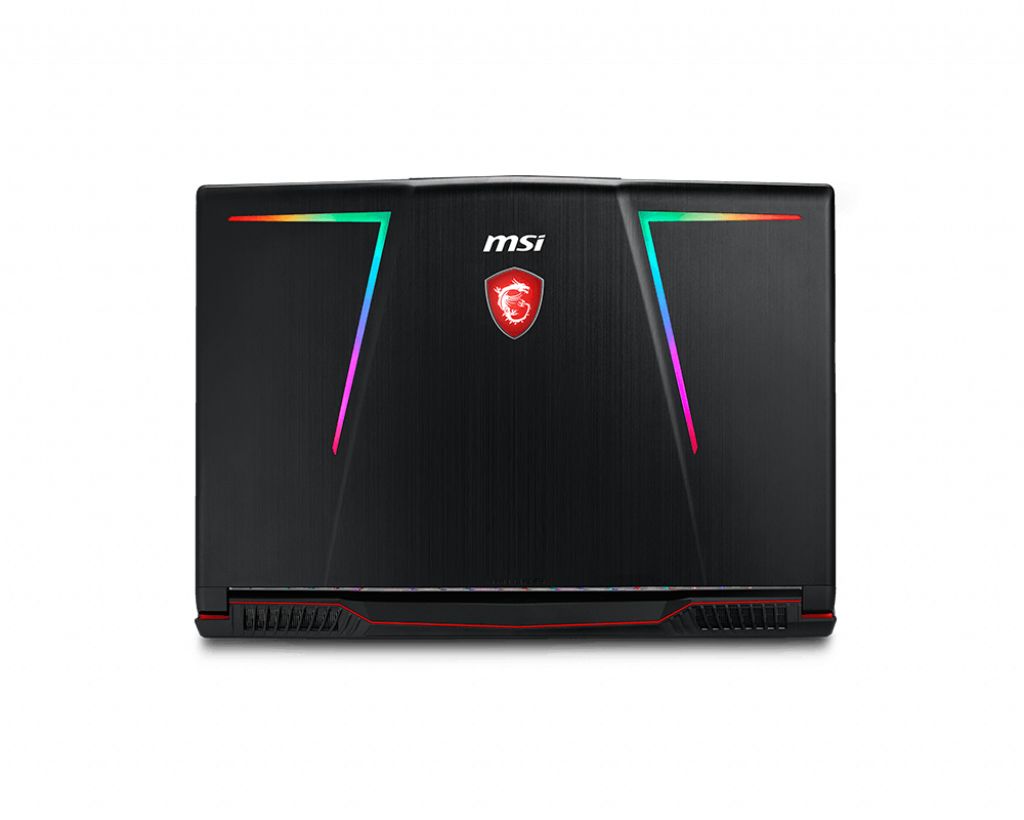
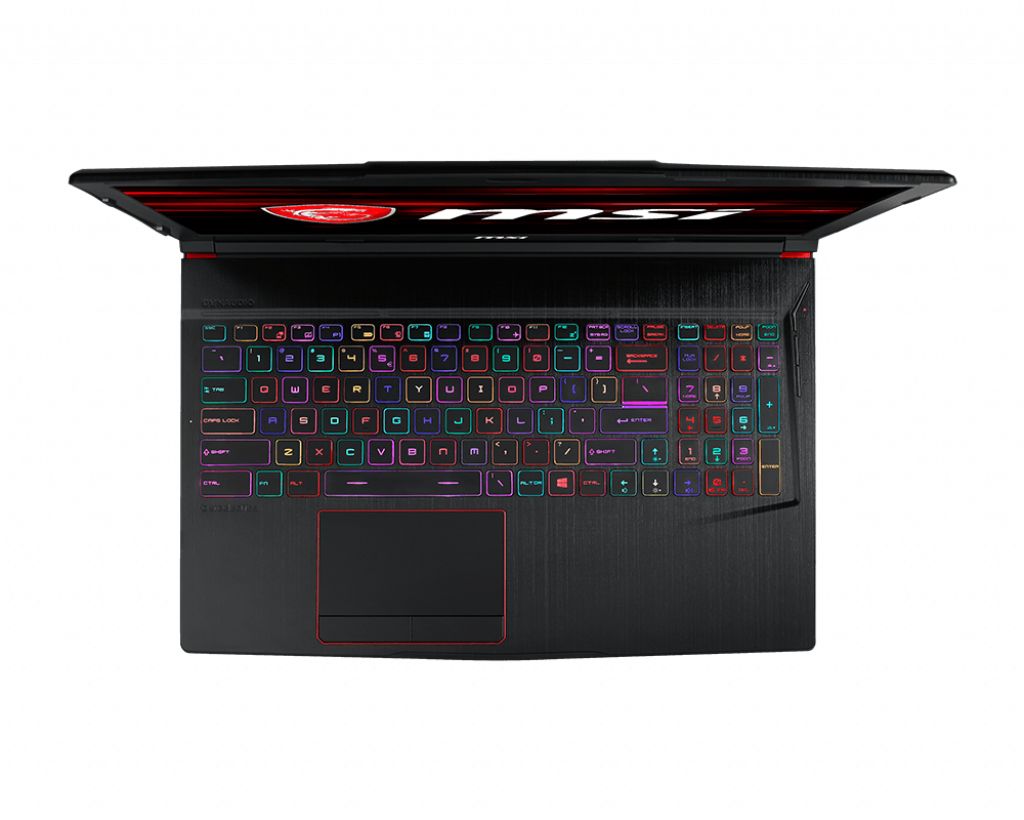
The MSI GE63 8SF-031XES Raider RGB Gaming series laptop features DDR4-SDRAM memory specifications. The system contains 2x SO-DIMM memory slots supporting DDR4 modules at 2666 MHz frequency. Maximum RAM capacity reaches 32 GB when fully upgraded. Compatible memory upgrades utilize the SO-DIMM form factor standard for mobile computing. Specifications indicate the GE63 8SF-031XES Raider RGB supports memory configuration options up to 32 GB total capacity across available upgrade slots.
Memory Upgrade Specifications
| Specification | Value |
|---|---|
| Memory slots | 2x SO-DIMM |
| Form factor | SO-DIMM |
| Memory type | DDR4-SDRAM |
| Frequency | 2666 MHz |
| Maximum RAM | 32 GB |
| Voltage | 1.2V |
| Number of pins | 260-pin |
| Interface | PC4 |
| PC Speed Rating | PC4-2666 (PC4-21328) |
| Bandwidth | 21.3 GB/s |
| Laptop Release date | 10 January 2019 |
Additional Notes
- The 2666 MHz frequency indicates DDR4-2666 specification, which corresponds to PC4-21300 modules with a theoretical bandwidth of 21.3 GB/s per channel.
- The 2x SO-DIMM configuration enables dual-channel memory operation, doubling effective memory bandwidth to approximately 42.6 GB/s when matched modules are installed.
- The 32 GB maximum capacity constraint requires 2x 16 GB modules for full memory expansion, as no higher-density SO-DIMM configuration fits within this limit.
- Mixing modules with different speeds will force all installed memory to operate at the frequency of the slowest module, potentially downclocking faster RAM to 2666 MHz.
- The SO-DIMM form factor excludes standard desktop DIMM modules, which are physically incompatible with laptop memory slots despite sharing the same DDR4 specification.
- Installing non-matching modules (different capacities, timings, or manufacturers) risks disabling dual-channel mode, halving memory bandwidth even if both slots remain populated.
- Memory upgrades on this model typically require bottom panel removal to access SO-DIMM slots, though specific disassembly procedures vary by chassis revision.
- Higher frequency DDR4 modules (2933 MHz, 3200 MHz) may physically install but will downclock to the chipset's maximum supported frequency of 2666 MHz.
- The DDR4 standard backward compatibility means higher-voltage DDR3L or DDR3 modules pose electrical incompatibility risks and will not function in DDR4 slots.
- Single-rank versus dual-rank module architecture affects memory interleaving performance, with dual-rank configurations potentially offering marginal bandwidth improvements in specific workloads.
- CAS latency variations (CL15, CL17, CL19) at 2666 MHz produce measurable but typically minor performance differences in latency-sensitive applications.