MSI Gaming GE63 8SG-018CZ Raider RGB RAM upgrade specifications
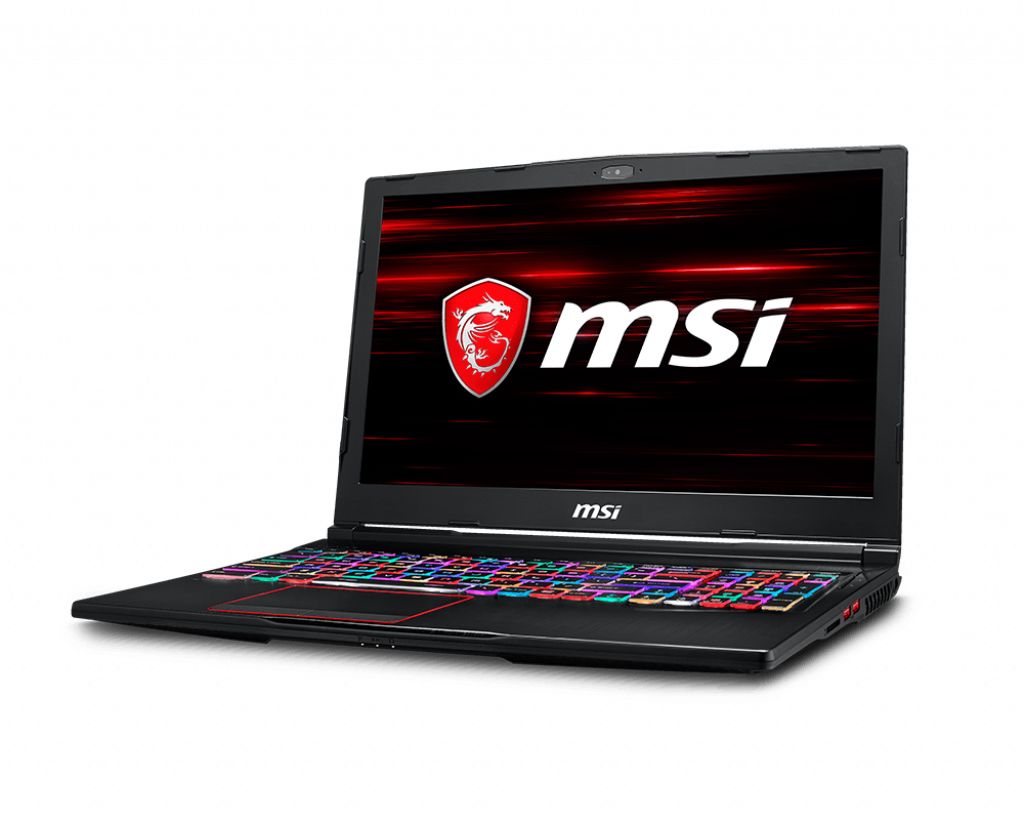
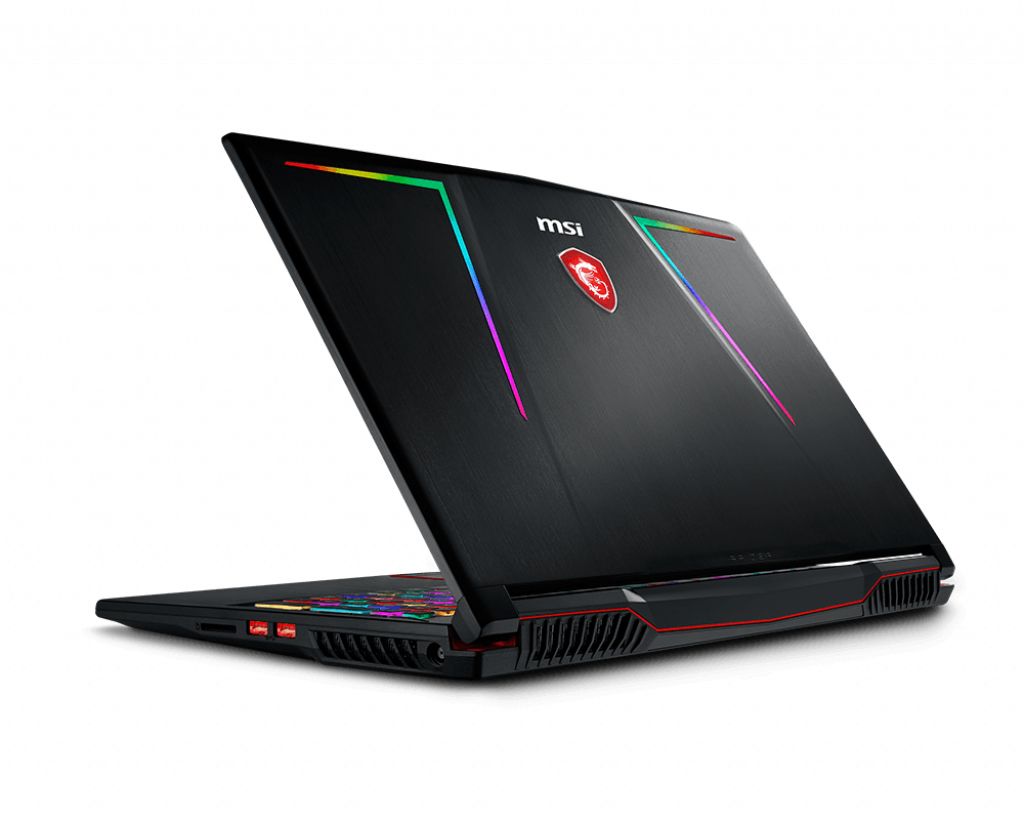
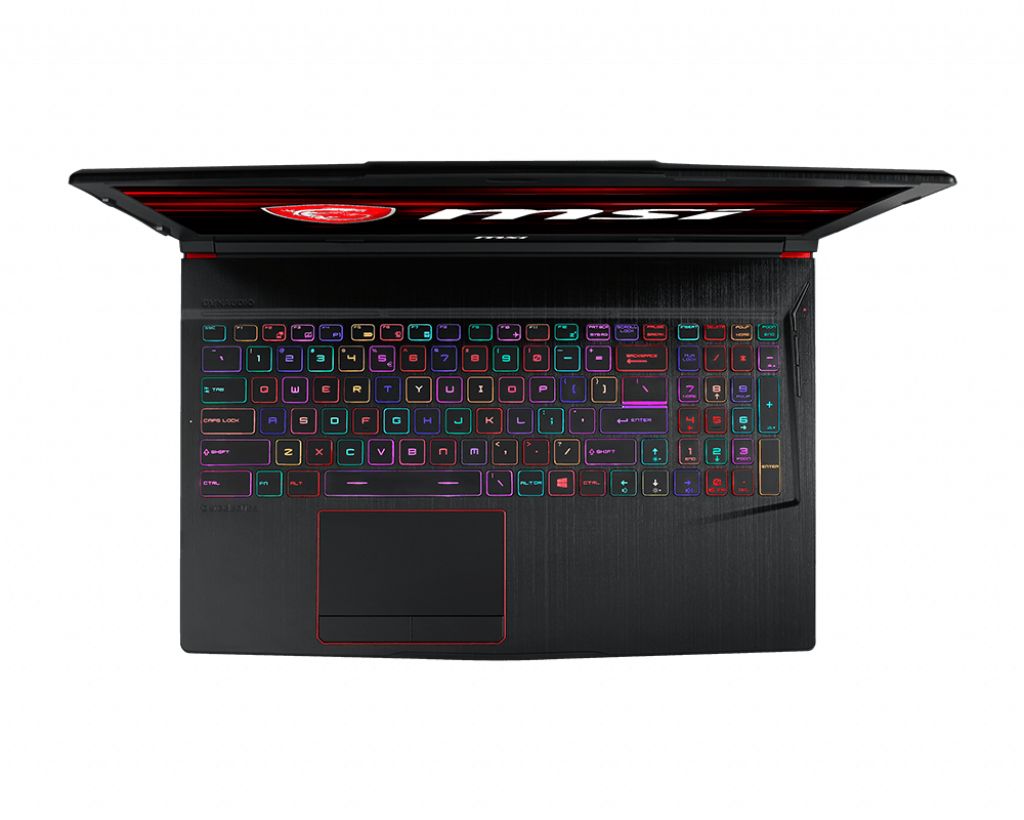
MSI GE63 8SG-018CZ Raider RGB Gaming series laptop supports DDR4-SDRAM memory upgrade through dual SO-DIMM slots. Maximum RAM capacity reaches 32 GB total. Compatible memory operates at 2666 MHz frequency. Specifications indicate SO-DIMM form factor modules are required for upgrade compatibility. Memory expansion specifications detail slot configuration and capacity parameters for GE63 8SG-018CZ Raider RGB model upgrades.
Memory Upgrade Specifications
| Specification | Value |
|---|---|
| Memory slots | 2x SO-DIMM |
| Form factor | SO-DIMM |
| Memory type | DDR4-SDRAM |
| Frequency | 2666 MHz |
| Maximum RAM | 32 GB |
| Voltage | 1.2V |
| Number of pins | 260-pin |
| Interface | PC4 |
| PC Speed Rating | PC4-2666 (PC4-21328) |
| Bandwidth | 21.3 GB/s |
| Laptop Release date | 25 May 2019 |
Additional Notes
- The 32 GB ceiling reflects chipset limitations in 8th generation Intel mobile platforms, preventing installation of higher-density modules even if physically compatible.
- DDR4-2666 represents the official JEDEC specification speed, though the memory controller may accept faster modules by downclocking them to this frequency without performance gain.
- Dual-channel architecture requires matched module pairs for optimal bandwidth utilization, as mismatched capacities force single-channel operation on the excess capacity.
- SO-DIMM modules exceed 69mm in length, necessitating proper slot alignment during installation to avoid contact damage on the 260-pin interface.
- The MSI GE63 8SG-018CZ Raider RGB restricts module height clearance due to keyboard proximity, potentially causing interference with certain modules featuring oversized heatspreaders or RGB lighting elements.
- Voltage tolerance remains fixed at 1.2V for standard DDR4 operation, as low-voltage variants designed for Ultrabooks lack compatibility with gaming-class thermal envelopes.
- Mixing modules with different CAS latencies forces all installed memory to operate at the slowest timing across the configuration, creating latency penalties in asymmetric setups.
- User-accessible memory slots preserve warranty coverage during upgrades, unlike soldered configurations that void service agreements upon tampering.
- Thermal throttling risk increases with maximum capacity installations in sustained workloads, as fully populated slots generate concentrated heat in confined chassis zones.
- ECC memory lacks support in consumer mobile chipsets, rendering error-correcting modules non-functional despite physical installation compatibility.