MSI Gaming GE63 8SG-020NE Raider RGB RAM upgrade specifications
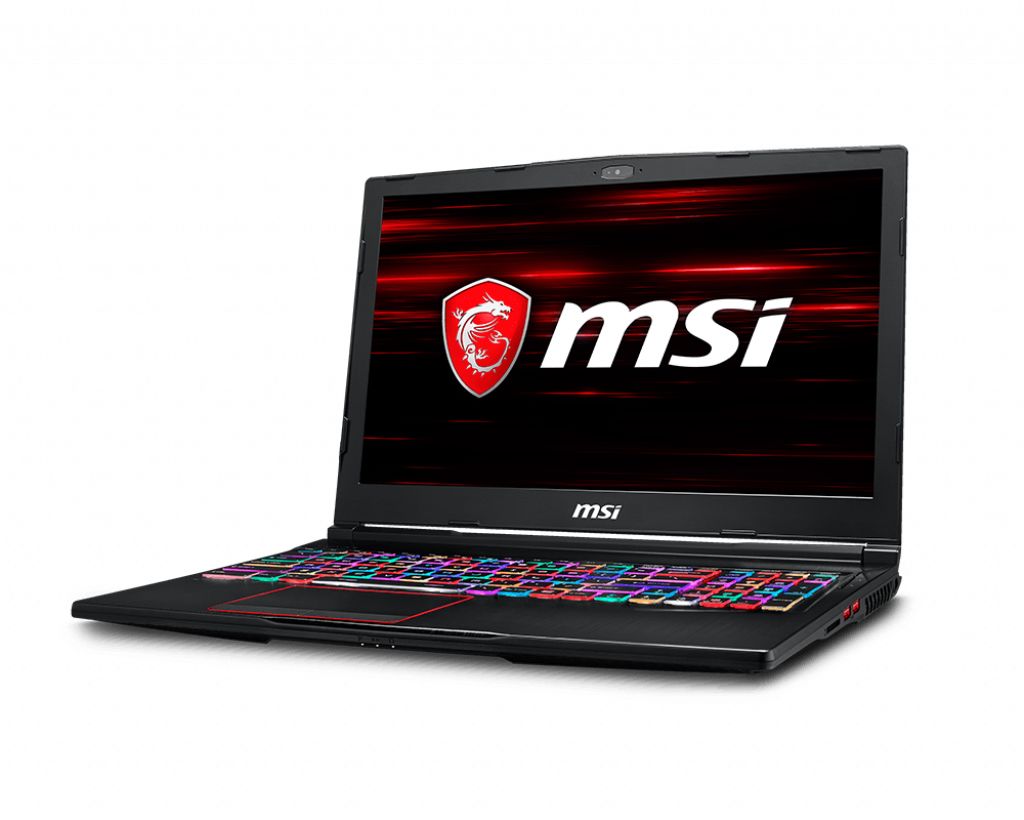
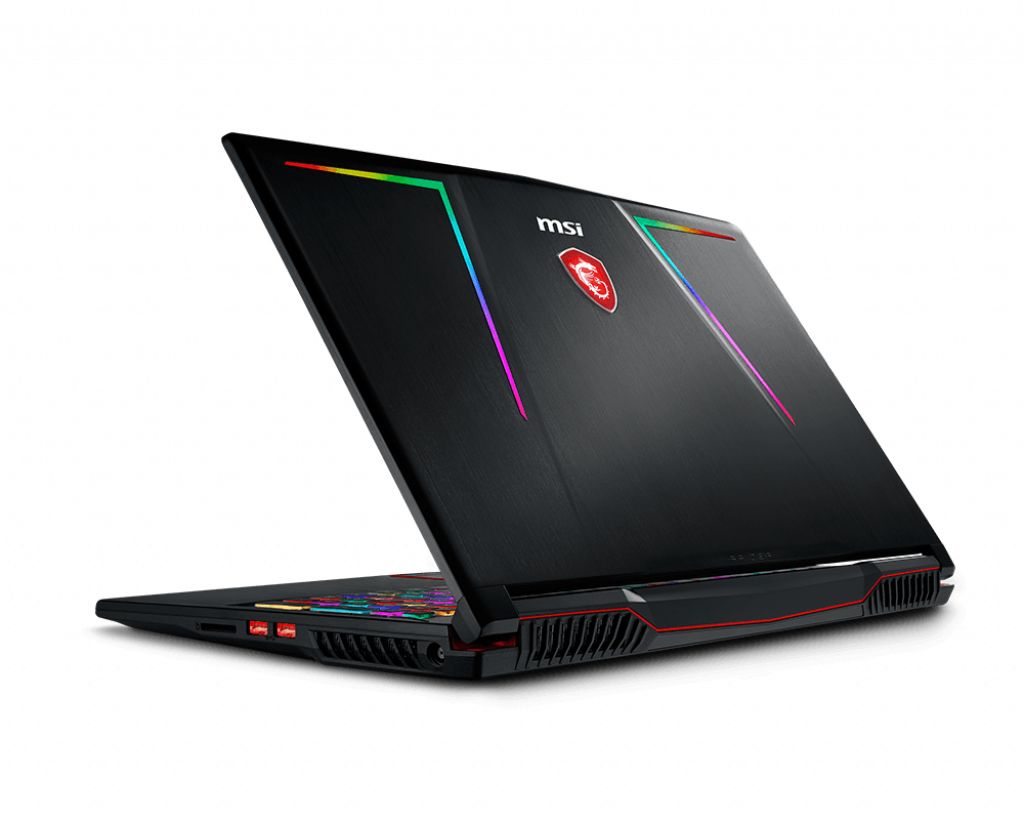
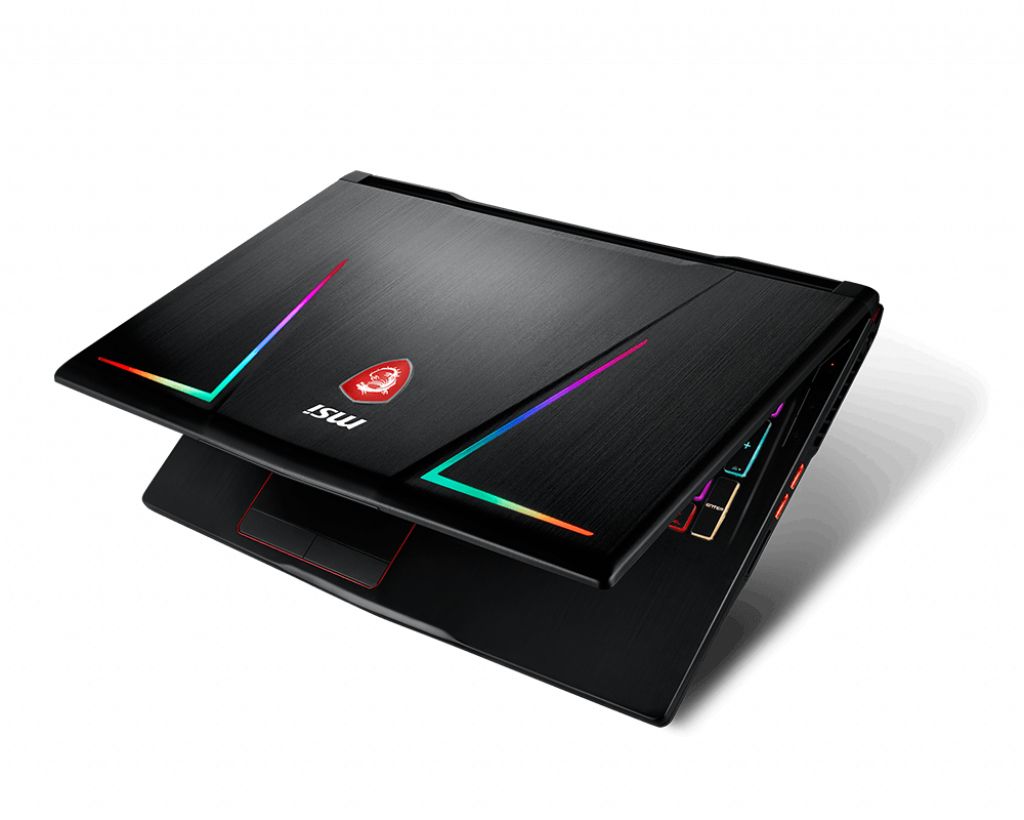
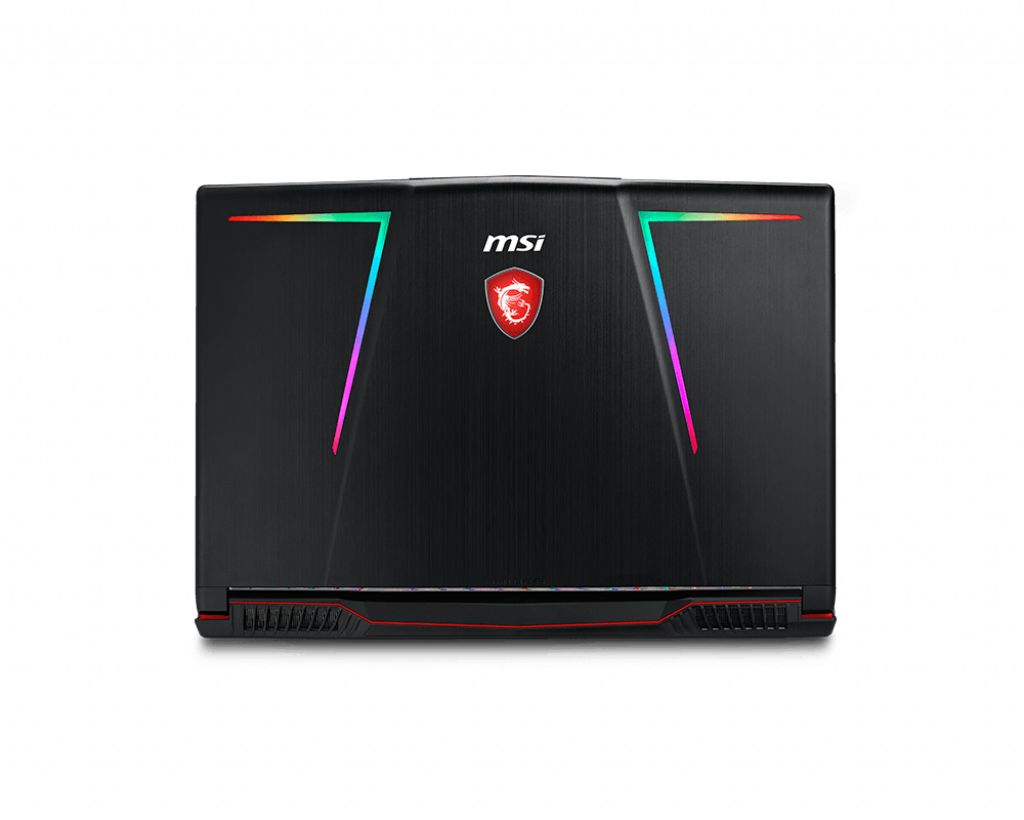
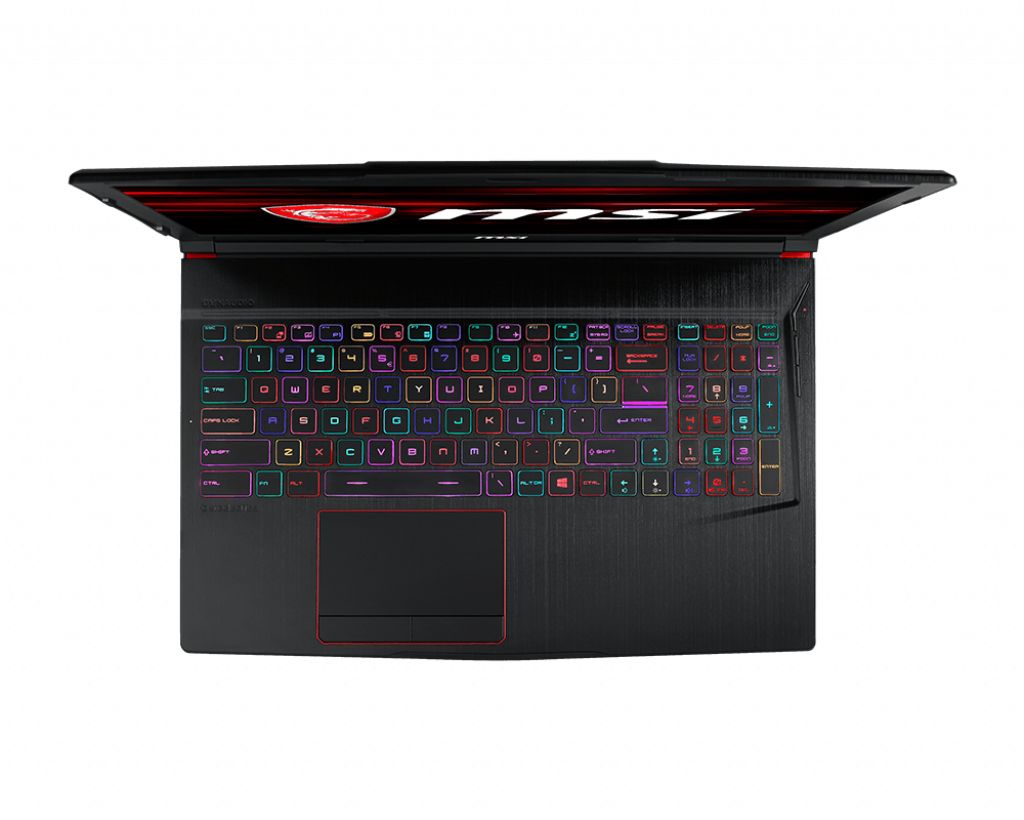
The MSI GE63 8SG-020NE Raider RGB gaming laptop features DDR4-SDRAM memory upgrade specifications with two SO-DIMM slots supporting maximum capacity of 32 GB. Compatible RAM operates at 2666 MHz frequency. The GE Gaming series laptop accepts SO-DIMM form factor memory modules. Current upgrade slots accommodate DDR4 memory expansion, with specifications enabling users to configure compatible RAM modules up to the maximum 32 GB capacity across both available slots.
Memory Upgrade Specifications
| Specification | Value |
|---|---|
| Memory slots | 2x SO-DIMM |
| Form factor | SO-DIMM |
| Memory type | DDR4-SDRAM |
| Frequency | 2666 MHz |
| Maximum RAM | 32 GB |
| Voltage | 1.2V |
| Number of pins | 260-pin |
| Interface | PC4 |
| PC Speed Rating | PC4-2666 (PC4-21328) |
| Bandwidth | 21.3 GB/s |
| Laptop Release date | 14 February 2019 |
Additional Notes
- The MSI GE63 8SG-020NE Raider RGB contains 2 SO-DIMM slots, meaning both slots must be populated to reach the 32 GB maximum capacity. Adding a single module leaves one slot empty and forgoes dual-channel architecture benefits, reducing memory bandwidth by approximately 50 percent and introducing latency penalties during intensive gaming or rendering workloads.
- DDR4-2666 MHz represents a conservative specification for 8th generation Intel platforms. Replacement modules rated for DDR4-3000 or DDR4-3200 will operate at the native 2666 MHz speed due to JEDEC standard compatibility, preventing performance gains from higher-frequency memory unless BIOS overclocking is enabled, which may void warranty coverage.
- SO-DIMM form factor restricts upgrade options to laptop-grade memory modules. Desktop DDR4 DIMMs are physically incompatible and cannot be installed. Sourcing must target mobile memory specifically, limiting availability compared to standard desktop alternatives and typically increasing per-gigabyte costs.
- Upgrading from the factory configuration to 32 GB requires replacing both existing modules rather than adding to them, since 2 slots represent the total capacity. The original memory modules become surplus hardware with limited resale value in secondary markets.
- Memory bandwidth saturation occurs when combined CPU and GPU memory requests exceed the DDR4-2666 throughput ceiling. Gaming scenarios with high texture streaming or simultaneous CPU-GPU compute tasks will not benefit from frequency upgrades beyond native 2666 MHz without formal BIOS modifications.