MSI Gaming GE63 9SE-618BE Raider RGB RAM upgrade specifications


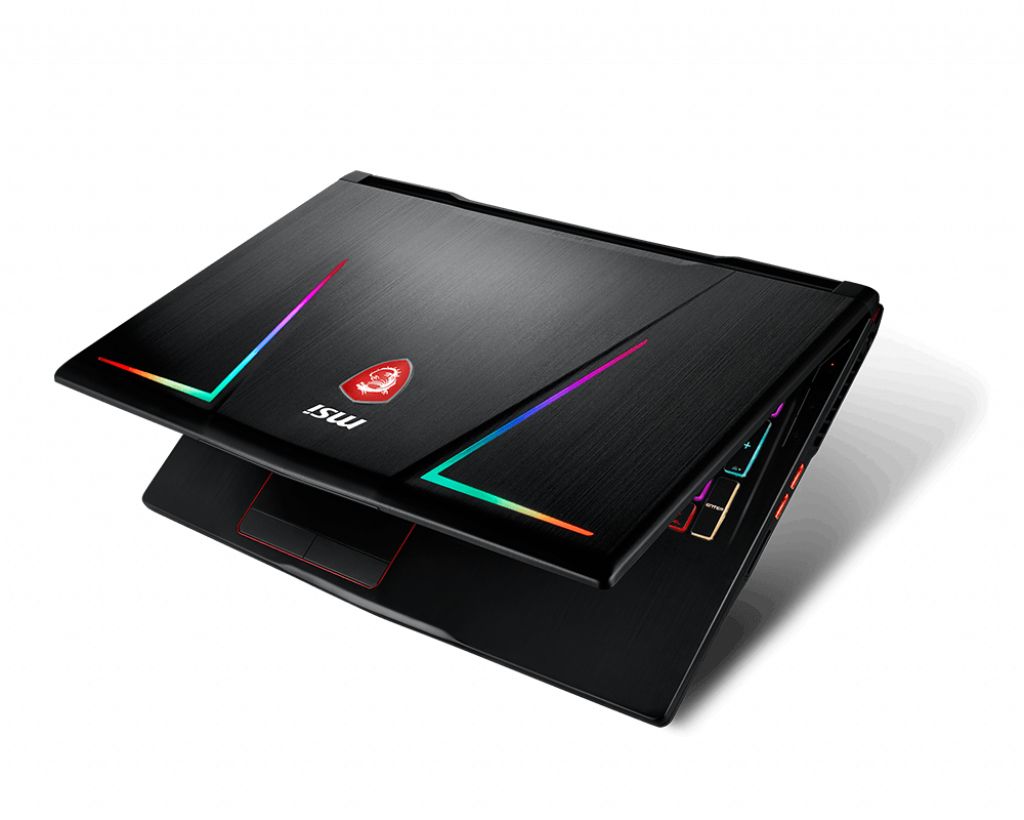
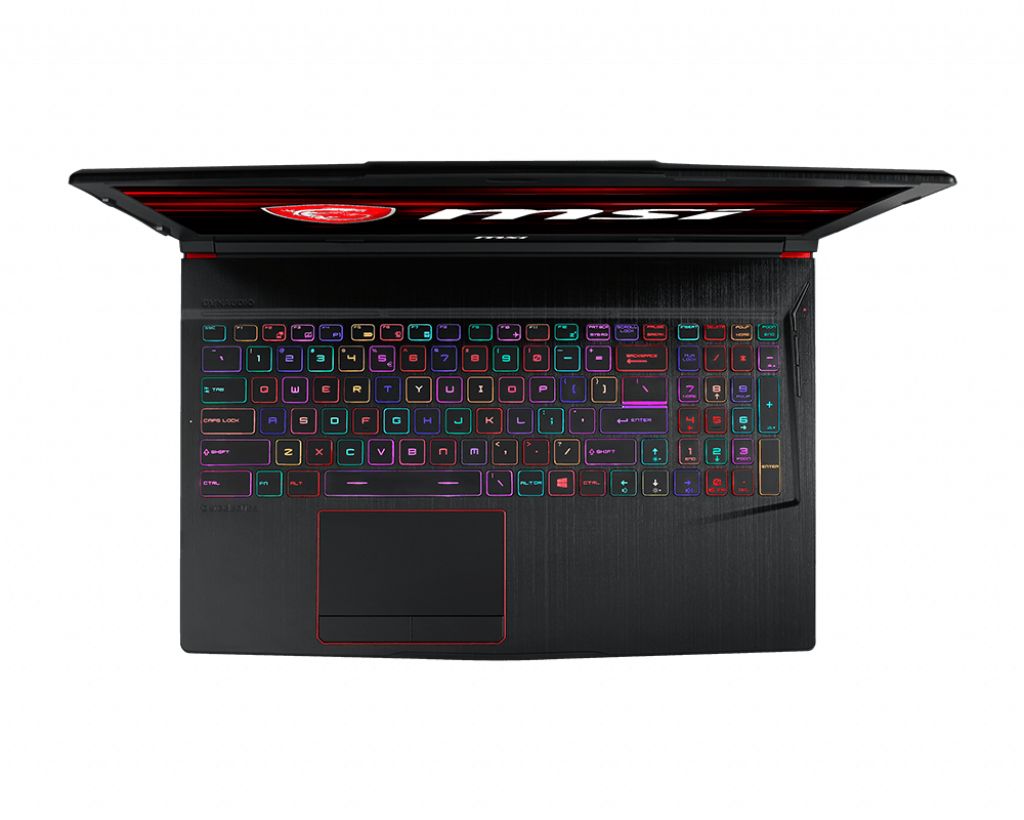
The MSI GE63 9SE-618BE Raider RGB gaming laptop features two SO-DIMM memory slots supporting DDR4-SDRAM upgrade specifications. Maximum RAM capacity reaches 64 GB total, with compatible modules operating at 2666 MHz frequency. The GE series Raider RGB model supports SO-DIMM form factor memory modules for expansion. Upgrade specifications indicate two available slots for DDR4 memory installation, enabling configuration up to the 64 GB maximum capacity. Memory specifications are compatible with standard DDR4-SDRAM modules meeting the designated frequency parameters for the MSI Gaming GE family platform.
Memory Upgrade Specifications
| Specification | Value |
|---|---|
| Memory slots | 2x SO-DIMM |
| Form factor | SO-DIMM |
| Memory type | DDR4-SDRAM |
| Frequency | 2666 MHz |
| Maximum RAM | 64 GB |
| Voltage | 1.2V |
| Number of pins | 260-pin |
| Interface | PC4 |
| PC Speed Rating | PC4-2666 (PC4-21328) |
| Bandwidth | 21.3 GB/s |
| Laptop Release date | 08 April 2019 |
Additional Notes
- Dual channel mode is only achievable when installing pairs of identical modules to balance the workload across the memory controller.
- The MSI GE63 9SE-618BE Raider RGB utilizes a non soldered architecture that allows for the full replacement of factory memory modules rather than just expansion.
- Installing modules with higher frequency ratings results in a hardware downclock to the 2666 MHz limit dictated by the chipset architecture.
- Reaching the 64 GB threshold requires the use of high density 32 GB sticks which are often only available in dual rank configurations.
- Accessing the SO-DIMM slots necessitates the removal of the entire bottom chassis panel which may involve breaking a factory seal sticker in certain regions.
- Mixing modules with different latency timings forces the system to default to the slowest common denominator affecting overall bandwidth efficiency.
- The physical layout of the 2 slots creates a vertical stack that requires careful clearance management during the seating of the lower module.