MSI Gaming GE63 9SE-617NL Raider RGB RAM upgrade specifications


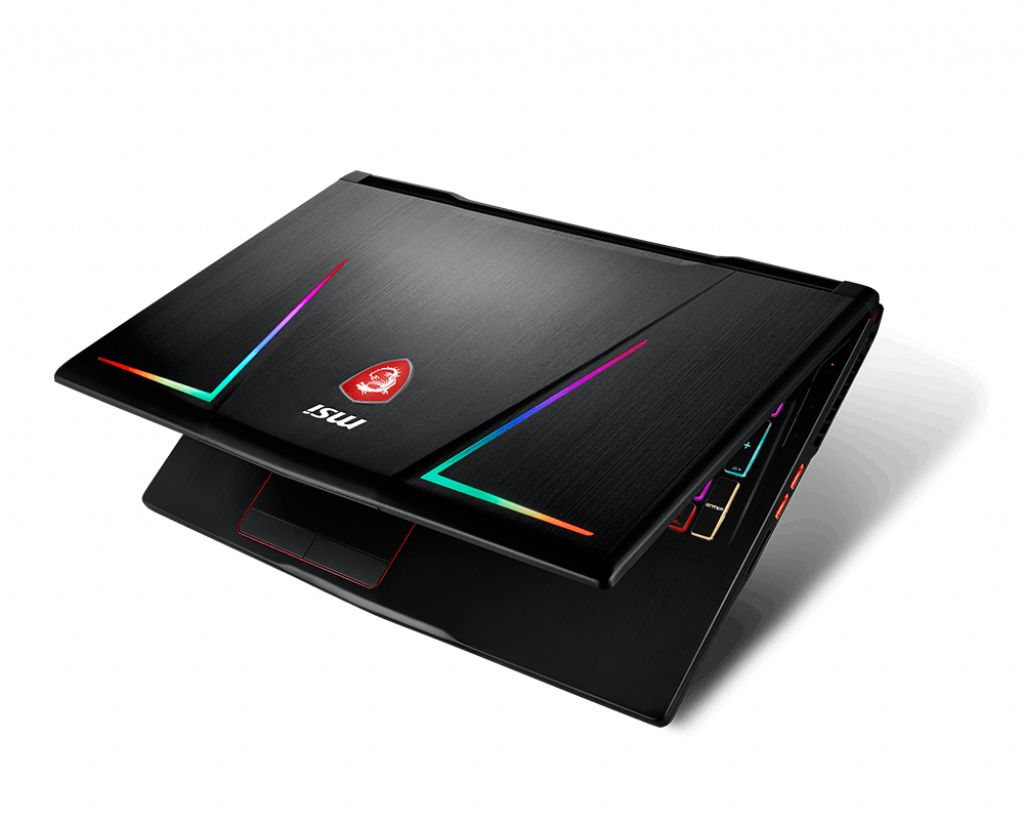
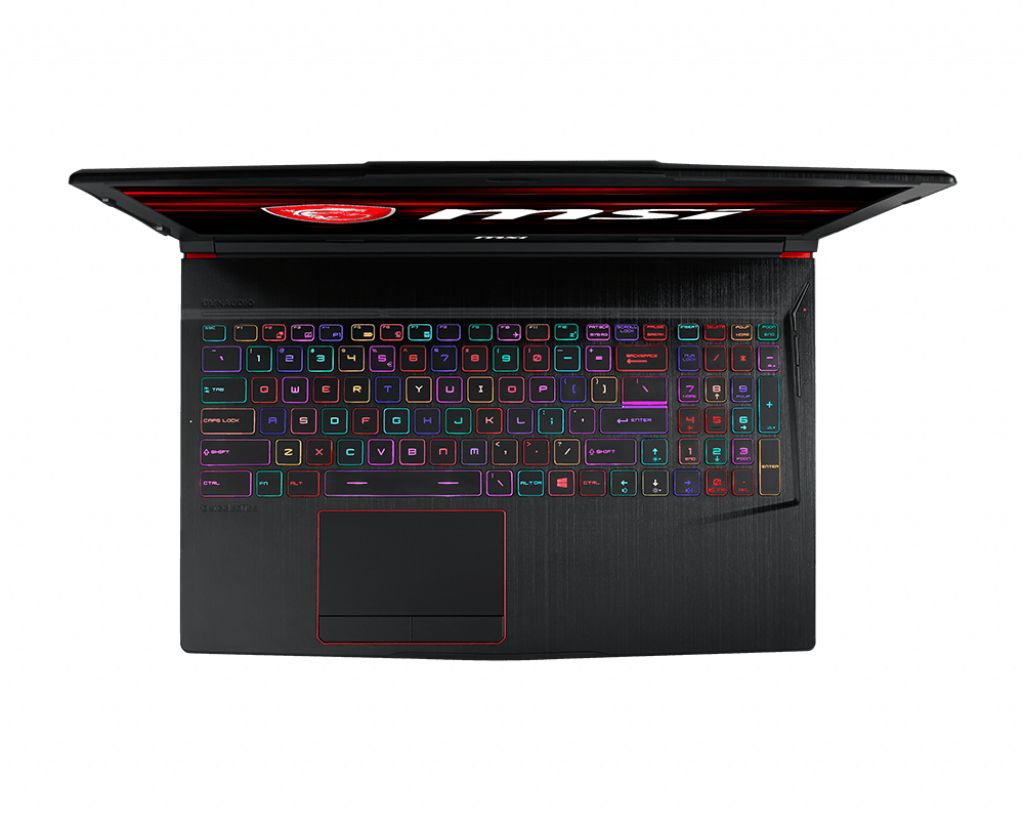
The MSI GE63 9SE-617NL Raider RGB Gaming series laptop features DDR4-SDRAM memory upgrade capabilities. The device contains 2x SO-DIMM slots supporting maximum RAM capacity of 64 GB. Compatible memory modules operate at 2666 MHz frequency. Specifications indicate SO-DIMM form factor memory for upgrade compatibility. The GE63 9SE-617NL Raider RGB accepts DDR4-SDRAM upgrades within supported specifications and maximum capacity parameters.
Memory Upgrade Specifications
| Specification | Value |
|---|---|
| Memory slots | 2x SO-DIMM |
| Form factor | SO-DIMM |
| Memory type | DDR4-SDRAM |
| Frequency | 2666 MHz |
| Maximum RAM | 64 GB |
| Voltage | 1.2V |
| Number of pins | 260-pin |
| Interface | PC4 |
| PC Speed Rating | PC4-2666 (PC4-21328) |
| Bandwidth | 21.3 GB/s |
| Laptop Release date | 07 April 2019 |
Additional Notes
- The MSI GE63 9SE-617NL Raider RGB uses SO-DIMM slots, which are laptop-specific form factors that are not interchangeable with desktop DDR4 modules, eliminating access to the broader aftermarket inventory at equivalent price points.
- The 2666 MHz frequency ceiling indicates this system predates DDR4-3200 standardization; newer DDR4-3200 or DDR4-3600 modules will downclock to 2666 MHz, resulting in no performance gain despite higher costs associated with faster rated memory.
- Two memory slots create a hard upgrade ceiling at 64 GB total capacity; this constraint becomes relevant only if workloads exceed 32 GB, but the inability to add a third slot prevents future scalability beyond this threshold.
- SO-DIMM modules are user-replaceable on most laptop platforms without requiring manufacturer service, which typically preserves warranty status if components are installed correctly and no system damage occurs during the process.
- The dual-slot configuration requires matched pairs for optimal dual-channel performance; asymmetric configurations (mismatched capacities or speeds) will operate but may reduce memory bandwidth efficiency by approximately 5-15% depending on application sensitivity.
- Latency characteristics of SO-DIMM DDR4-2666 modules will remain the primary performance variable across equivalent modules, as frequency headroom is exhausted; CAS latency values between 15 and 19 represent the practical performance differentiation range for this platform.