MSI Gaming GE63 8SG-229RU Raider RGB RAM upgrade specifications


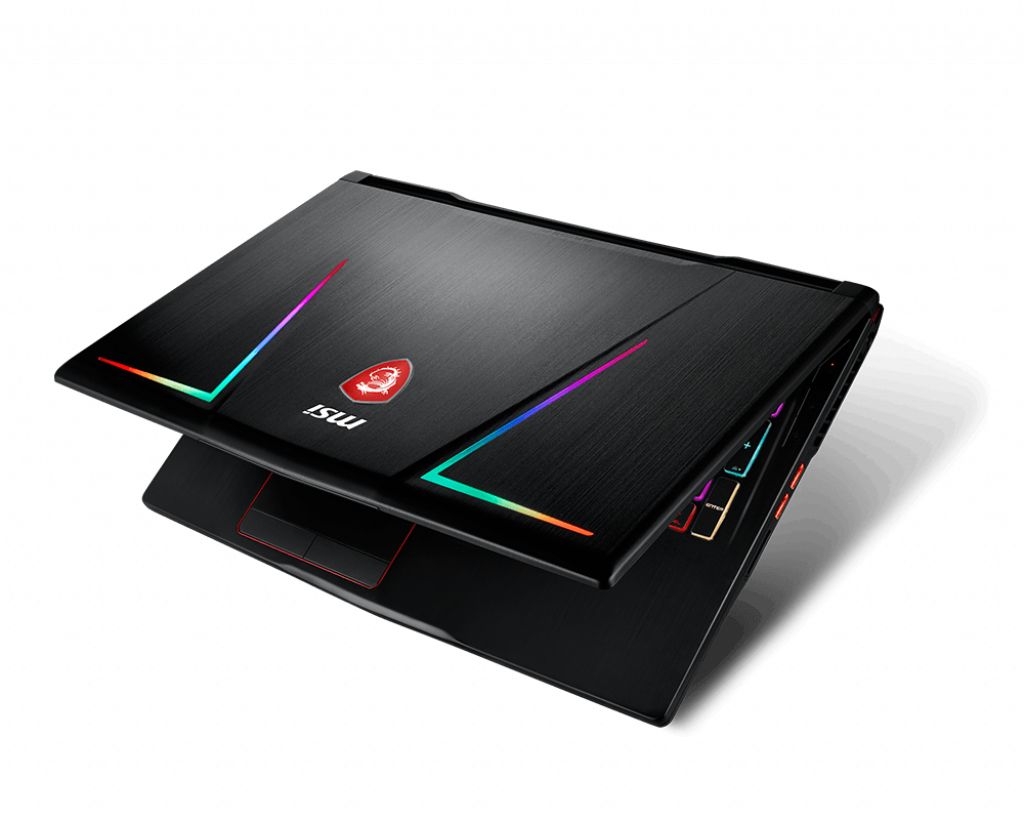
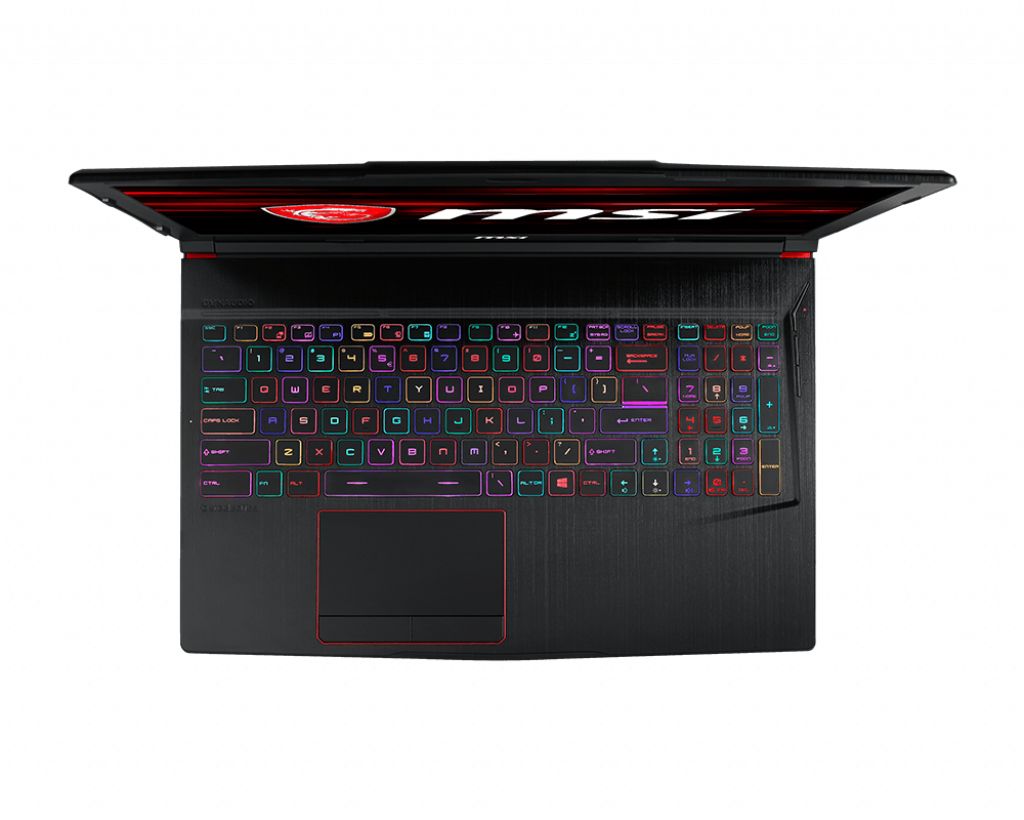
The MSI GE63 8SG-229RU Raider RGB gaming laptop contains two SO-DIMM slots for DDR4-SDRAM memory upgrade. The machine supports maximum RAM capacity of 32 GB total, operating at 2666 MHz frequency. Compatible memory modules must utilize the SO-DIMM form factor specifications. Current upgrade specifications allow installation of matching DDR4 memory pairs to achieve the maximum supported capacity. The GE series Raider RGB model accommodates standard laptop memory upgrades through accessible memory slots for enhanced multitasking and performance capabilities.
Memory Upgrade Specifications
| Specification | Value |
|---|---|
| Memory slots | 2x SO-DIMM |
| Form factor | SO-DIMM |
| Memory type | DDR4-SDRAM |
| Frequency | 2666 MHz |
| Maximum RAM | 32 GB |
| Voltage | 1.2V |
| Number of pins | 260-pin |
| Interface | PC4 |
| PC Speed Rating | PC4-2666 (PC4-21328) |
| Bandwidth | 21.3 GB/s |
| Laptop Release date | 18 April 2019 |
Additional Notes
- Dual channel memory architecture requires installing matching pairs of modules to maximize the available data bandwidth for the processor.
- Upgrading the MSI GE63 8SG-229RU Raider RGB involves a total replacement of existing 2666 MHz modules if all 2 slots are occupied because no expansion headers remain available.
- Installing modules with frequencies higher than 2666 MHz results in automatic downclocking to the clock speed supported by the system chipset.
- The 32 GB capacity threshold imposes a firm ceiling on virtualization and heavy video rendering tasks due to the physical limitations of the motherboard firmware.
- System stability depends on the use of 1.2V low voltage modules to maintain compatibility with the power delivery circuit of the SO-DIMM slots.
- Accessing the memory slots requires removal of the entire base panel which may involve piercing a factory seal sticker in specific regional markets.
- Latency performance is dictated by the highest CAS latency module present if the two installed sticks are not identical in timing specifications.