MSI Gaming GE63 8SG-225LU Raider RGB RAM upgrade specifications
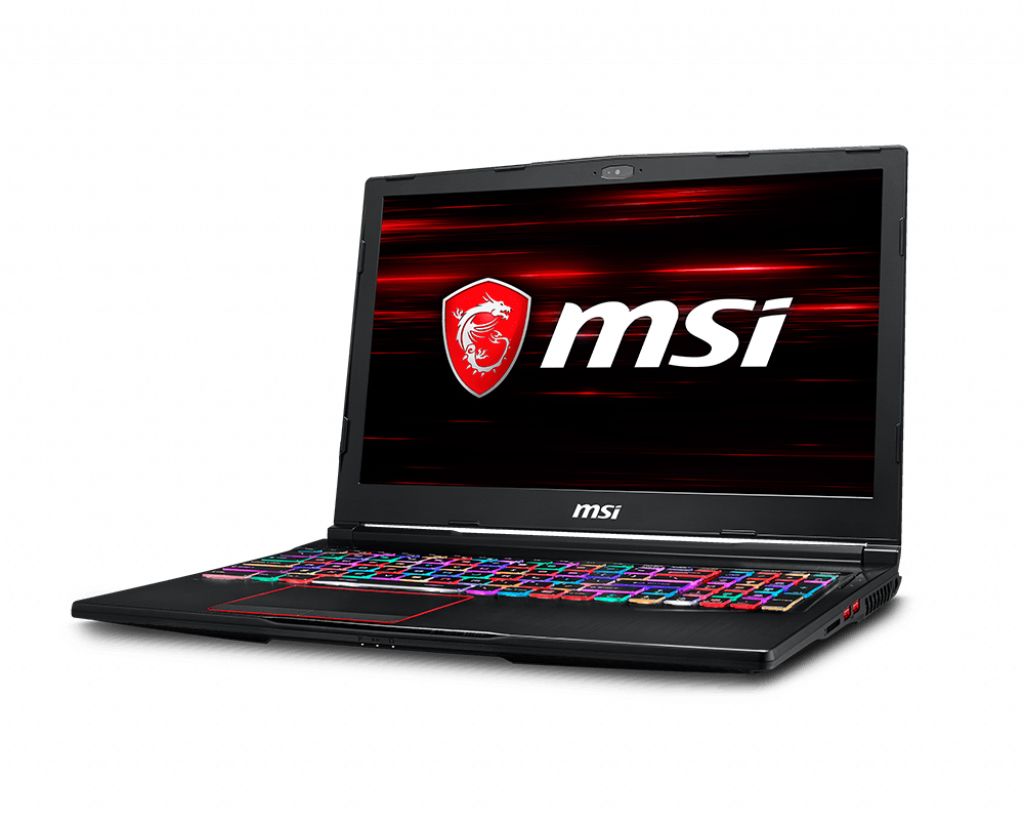
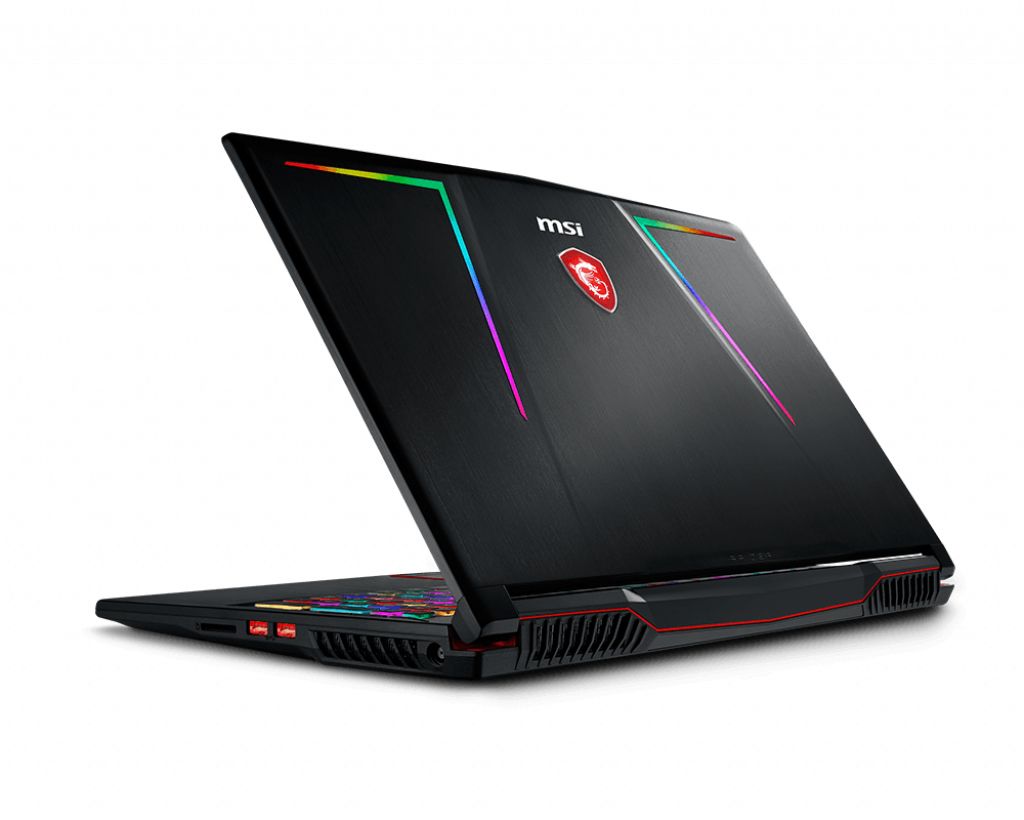
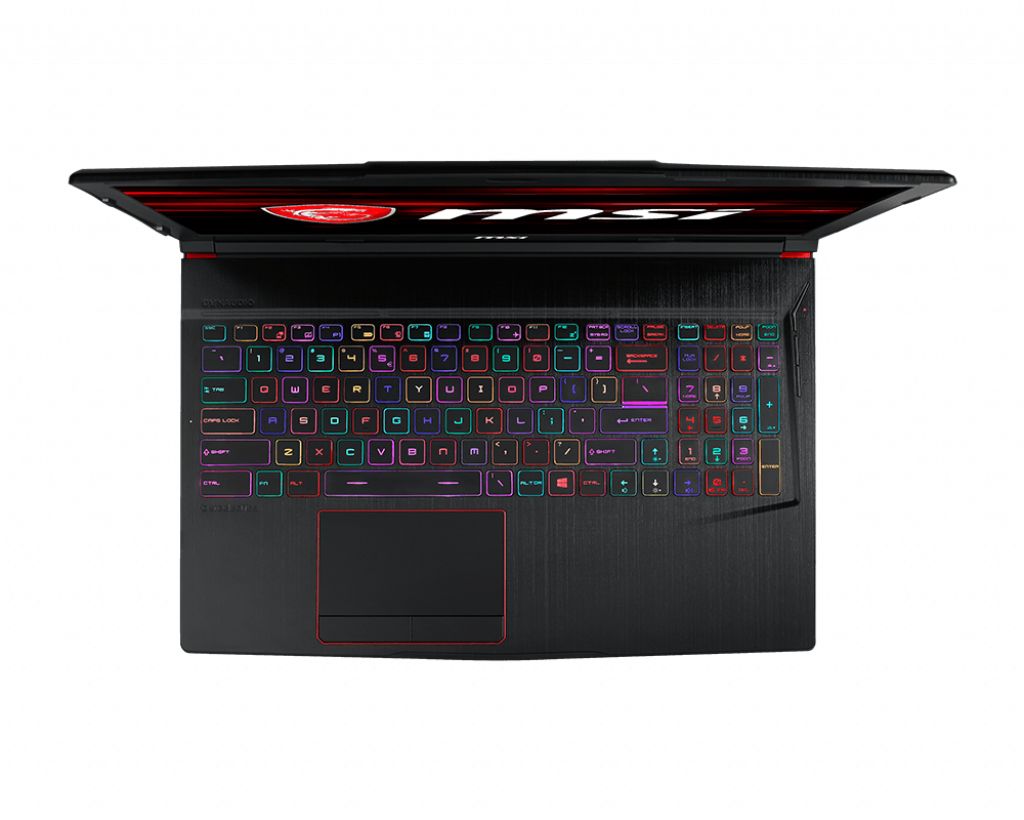
The MSI GE63 8SG-225LU Raider RGB Gaming series laptop features DDR4-SDRAM memory upgrade specifications. The system contains 2 SO-DIMM slots for RAM expansion, supporting a maximum memory capacity of 32 GB total. Compatible upgrades utilize SO-DIMM form factor modules operating at 2666 MHz frequency. Specifications detail the memory slots and maximum RAM capacity available for this particular GE series model.
Memory Upgrade Specifications
| Specification | Value |
|---|---|
| Memory slots | 2x SO-DIMM |
| Form factor | SO-DIMM |
| Memory type | DDR4-SDRAM |
| Frequency | 2666 MHz |
| Maximum RAM | 32 GB |
| Voltage | 1.2V |
| Number of pins | 260-pin |
| Interface | PC4 |
| PC Speed Rating | PC4-2666 (PC4-21328) |
| Bandwidth | 21.3 GB/s |
| Laptop Release date | 31 January 2019 |
Additional Notes
- The MSI GE63 8SG-225LU Raider RGB accepts a maximum of 16 GB modules per slot to reach the 32 GB ceiling, requiring paired modules for dual-channel bandwidth optimization.
- DDR4-2666 represents the highest validated speed for this chipset generation, though modules rated at 3200 MHz will downclock automatically to match the controller's limitation.
- SO-DIMM installation requires accessing the bottom panel, which typically involves removing multiple screws and potentially voids certain regional warranty coverage if security seals are broken.
- Single-channel configurations halve memory bandwidth to approximately 21 GB/s, creating measurable performance reductions in GPU-intensive workloads that rely on shared system memory.
- Non-ECC unbuffered modules are mandatory, as registered or error-correcting variants will trigger POST failures despite physical compatibility with the 260-pin socket.
- Operating voltage must remain at 1.2V standard, as the mobile platform lacks BIOS options for manual voltage adjustments available on desktop counterparts.
- Mixed-capacity configurations function but sacrifice dual-channel mode symmetry, forcing the controller into flex mode with asymmetric bandwidth allocation between channels.
- Thermal considerations limit sustained performance when both slots are populated with higher-density modules, as the confined chassis relies on shared heatpipe cooling for CPU and memory zones.