MSI Gaming GE63 8SG-081AU Raider RGB RAM upgrade specifications
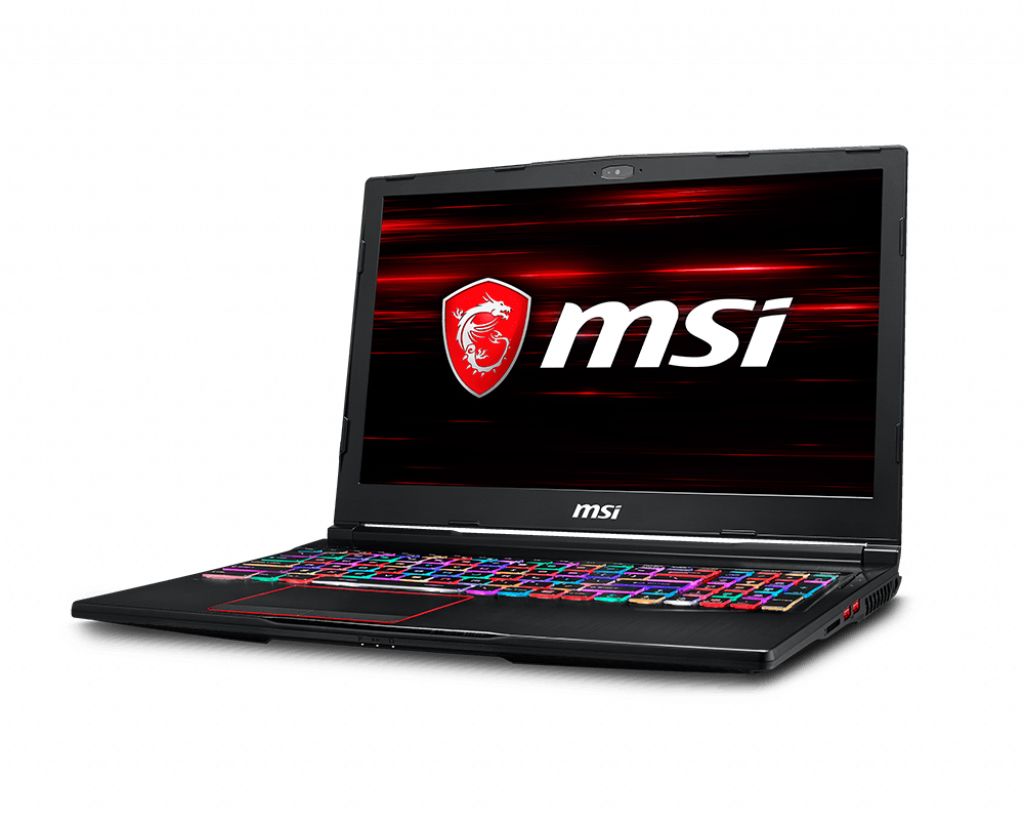
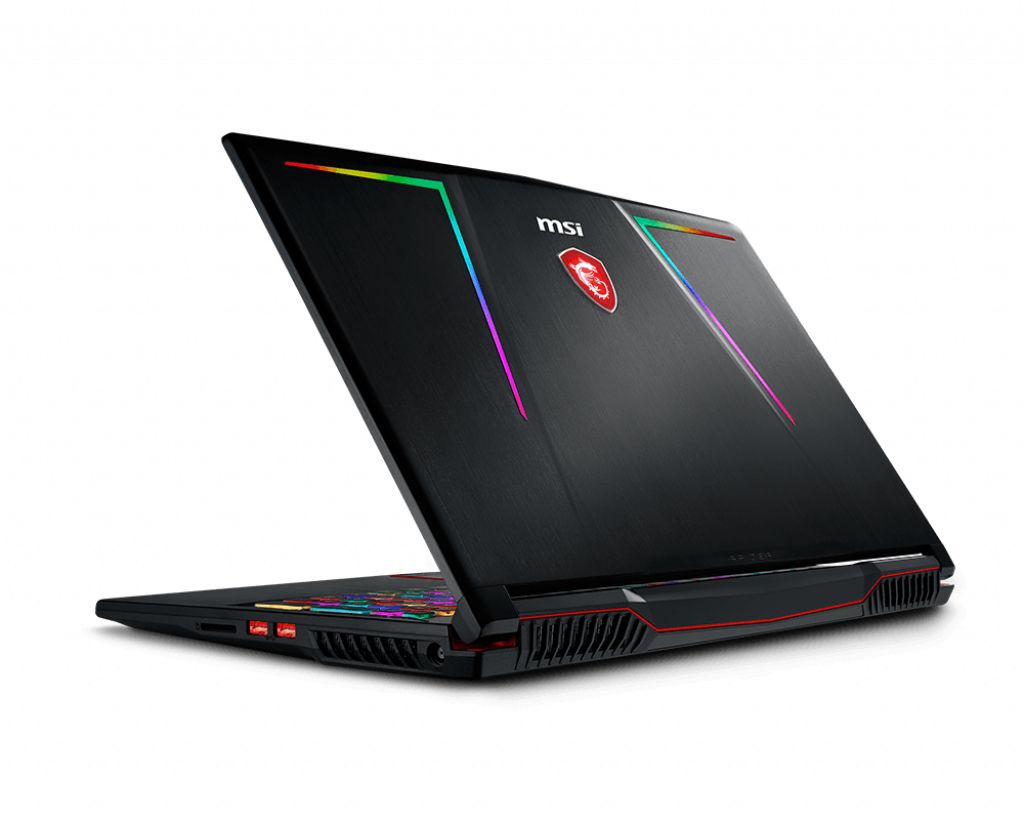
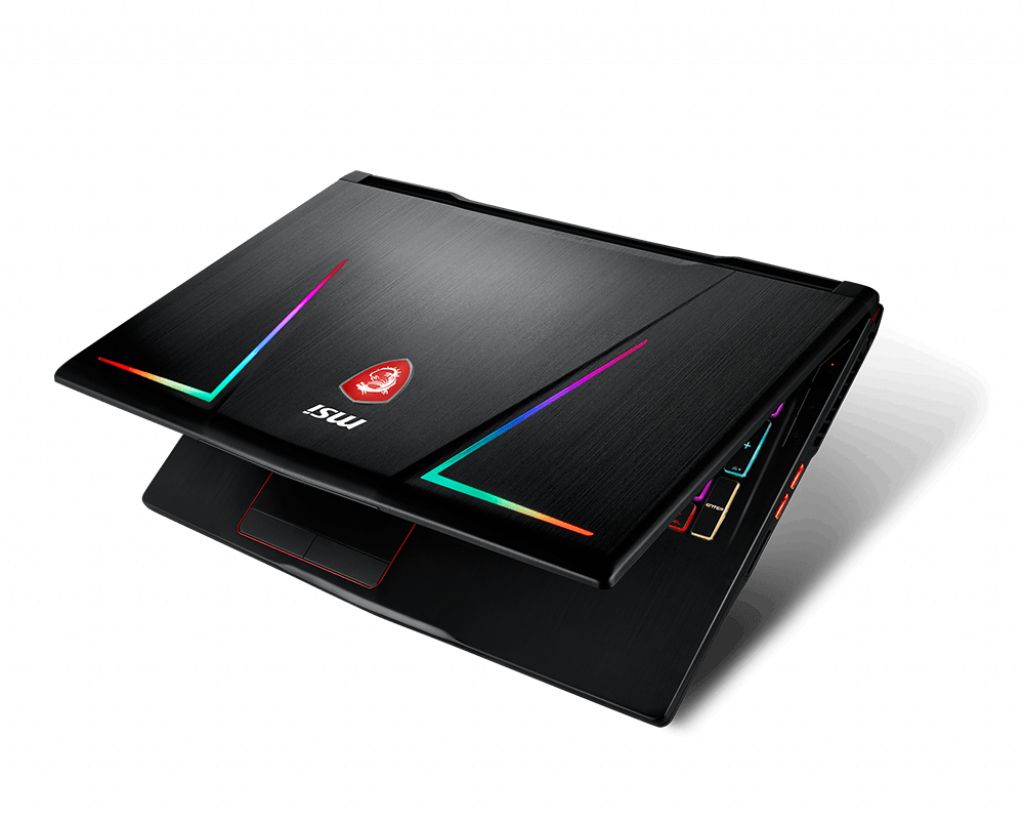
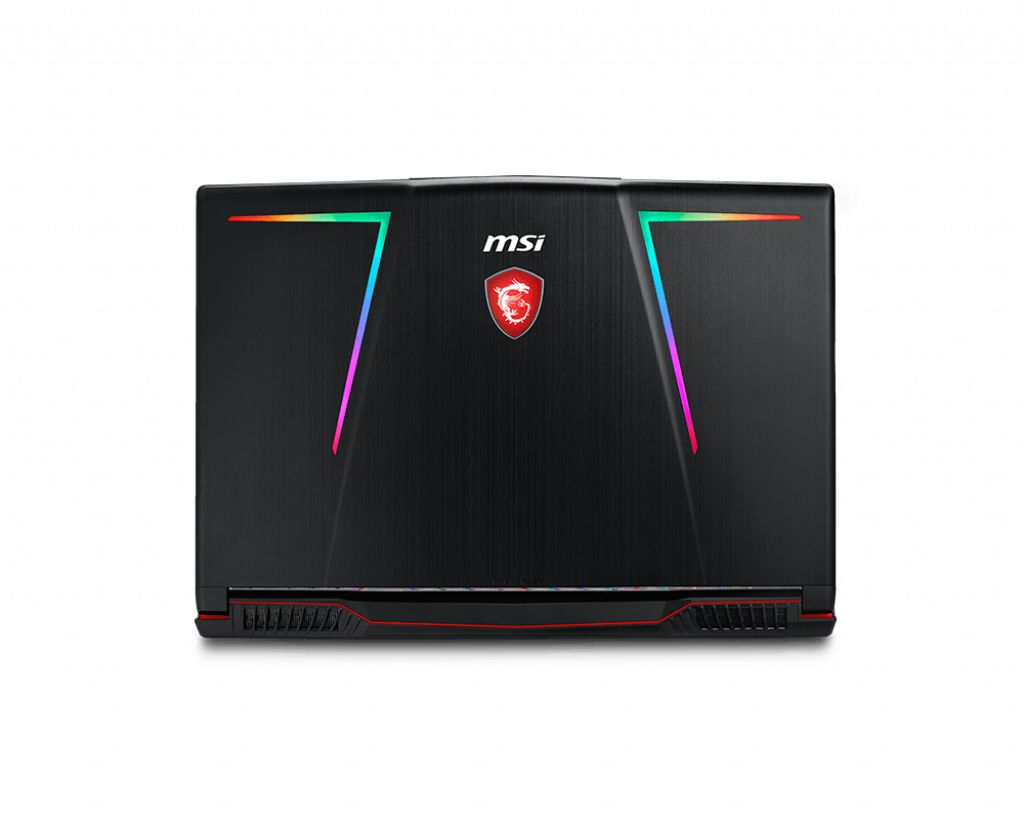
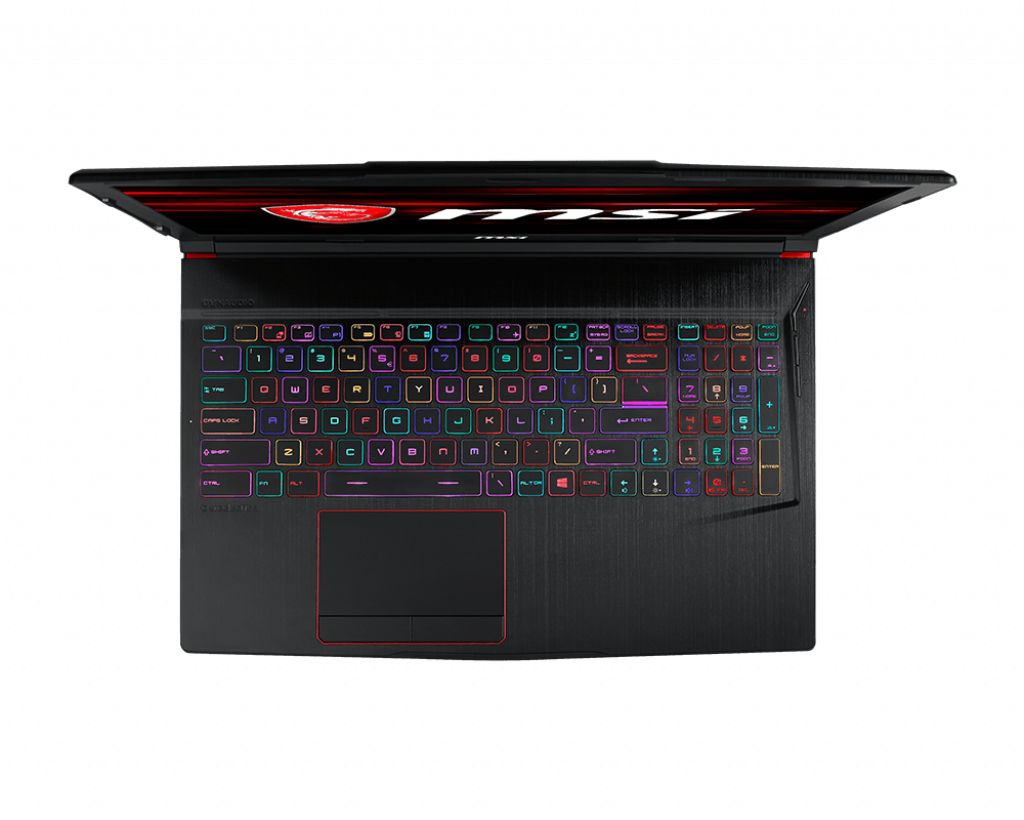
The MSI GE63 8SG-081AU Raider RGB Gaming series laptop supports DDR4-SDRAM memory upgrades. Specifications include two SO-DIMM memory slots with maximum RAM capacity of 32 GB. Compatible memory operates at 2666 MHz frequency. The laptop accepts SO-DIMM form factor modules for memory expansion. Upgrade options allow installation of compatible DDR4-SDRAM modules to enhance system performance. Maximum specifications support up to 32 GB total capacity across the two available upgrade slots. Memory compatibility requirements include DDR4-SDRAM type operating at 2666 MHz specifications.
Memory Upgrade Specifications
| Specification | Value |
|---|---|
| Memory slots | 2x SO-DIMM |
| Form factor | SO-DIMM |
| Memory type | DDR4-SDRAM |
| Frequency | 2666 MHz |
| Maximum RAM | 32 GB |
| Voltage | 1.2V |
| Number of pins | 260-pin |
| Interface | PC4 |
| PC Speed Rating | PC4-2666 (PC4-21328) |
| Bandwidth | 21.3 GB/s |
| Laptop Release date | 12 February 2019 |
Additional Notes
- The 32 GB ceiling reflects a chipset limitation typical of 8th-generation Intel mobile platforms, preventing recognition of higher-density modules beyond dual-rank 16 GB sticks.
- DDR4-2666 represents the JEDEC standard speed for this generation, meaning faster modules will downclock to 2666 MHz regardless of their rated specifications.
- SO-DIMM compatibility excludes all desktop DIMM modules due to physical pin count differences (260-pin versus 288-pin), making standard desktop memory mechanically incompatible.
- The dual-slot configuration requires matched pairs for optimal dual-channel bandwidth, as mismatched capacities or speeds force the memory controller into single-channel or asymmetric mode.
- CAS latency variations between CL15, CL17, and CL19 modules at 2666 MHz will produce measurable differences in memory-bound gaming scenarios, particularly at high frame rates.
- Non-ECC unbuffered modules remain the only compatible option, as the MSI GE63 8SG-081AU Raider RGB consumer platform lacks support for error-correcting or registered memory architectures.
- Operating voltage must remain at the standard 1.2V specification, since low-voltage or overvolting profiles may cause POST failures or thermal throttling in the confined laptop chassis.
- Accessing the memory slots typically requires bottom panel removal on this chassis design, though the specific screw configuration and warranty seal placement varies by region.
- Single-rank versus dual-rank module topology affects memory interleaving efficiency, with dual-rank configurations offering marginally better bandwidth in multi-threaded workloads.
- Mixing modules from different manufacturers or production batches increases the likelihood of XMP profile conflicts, even when specifications appear identical on paper.