MSI Gaming GE63 9SG-603NL Raider RGB RAM upgrade specifications
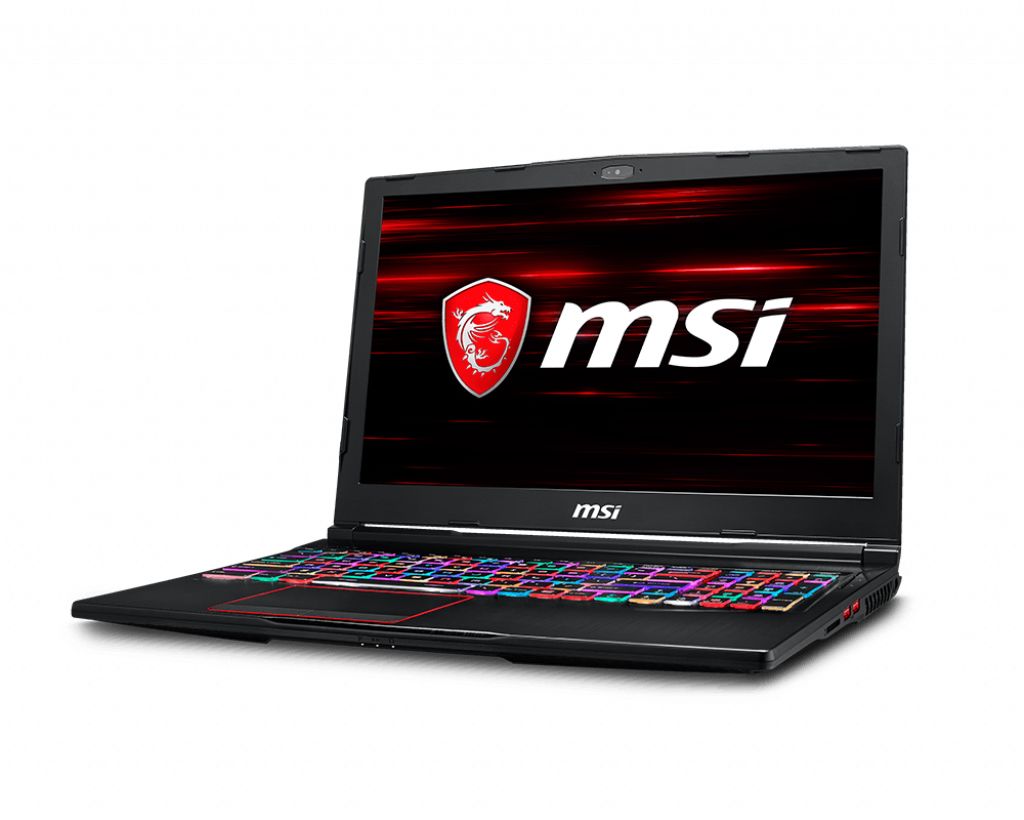

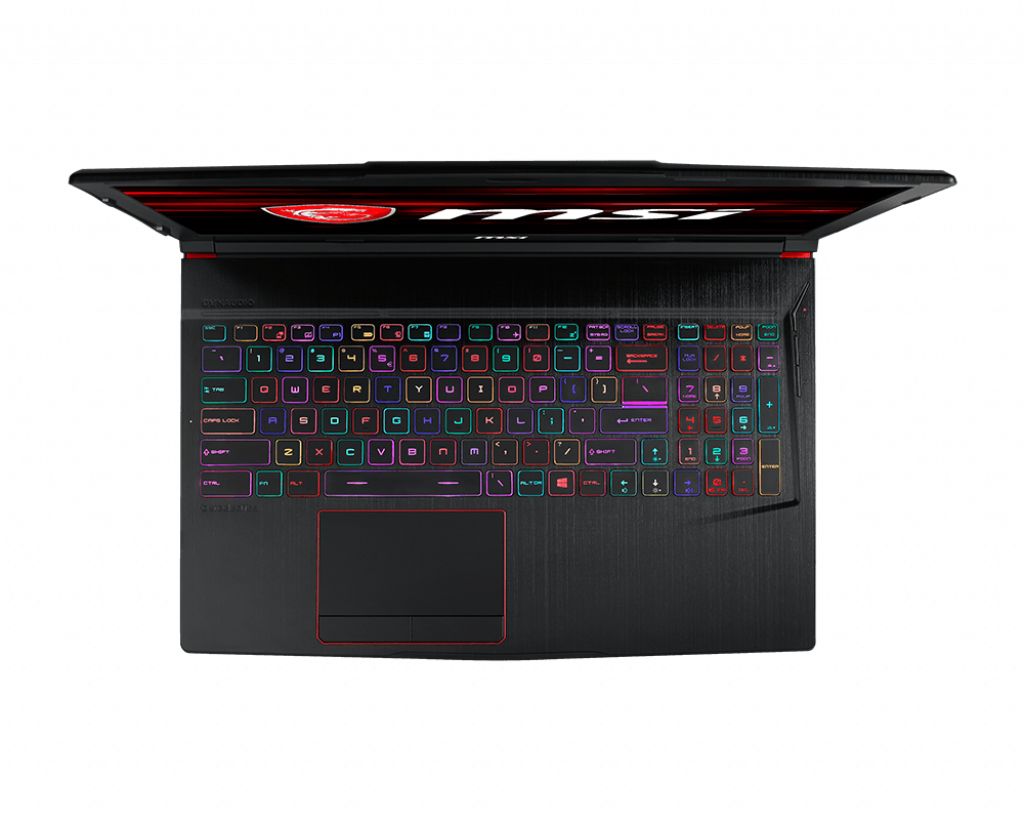
MSI GE63 9SG-603NL Raider RGB gaming laptop supports DDR4-SDRAM memory upgrades through two SO-DIMM slots. Maximum RAM capacity reaches 64 GB total. Compatible memory operates at 2666 MHz frequency. Upgrade specifications enable expansion from factory-configured memory to maximum supported capacity using DDR4 SO-DIMM modules designed for mobile computing applications.
Memory Upgrade Specifications
| Specification | Value |
|---|---|
| Memory slots | 2x SO-DIMM |
| Form factor | SO-DIMM |
| Memory type | DDR4-SDRAM |
| Frequency | 2666 MHz |
| Maximum RAM | 64 GB |
| Voltage | 1.2V |
| Number of pins | 260-pin |
| Interface | PC4 |
| PC Speed Rating | PC4-2666 (PC4-21328) |
| Bandwidth | 21.3 GB/s |
| Laptop Release date | 03 May 2019 |
Additional Notes
- The MSI GE63 9SG-603NL Raider RGB supports dual-channel architecture, enabling the system to achieve maximum memory bandwidth only when both SO-DIMM slots are populated with matching capacity modules. Single-slot configurations will operate in single-channel mode, reducing effective memory throughput by approximately 50%.
- DDR4-2666 MHz frequency represents the JEDEC standard for 9th-generation mobile processors paired with this chipset. Third-party modules rated above 2666 MHz will clock down to this baseline frequency unless BIOS allows manual overclocking, which may void manufacturer coverage.
- The 64 GB maximum capacity limit (32 GB per SO-DIMM) depends on module availability; as of current market conditions, 32 GB SO-DIMM modules remain relatively scarce. Expansion beyond 32 GB total RAM requires sourcing high-density modules that may carry extended lead times.
- SO-DIMM form factor requires low-profile memory modules with clearance constraints beneath the keyboard and palmrest assembly. Standard-height heat spreaders may contact internal components or prevent chassis closure, necessitating verification of module dimensions before purchase.
- Mixing memory modules of different capacities, speeds, or manufacturers within the 2 slots will default the system to the lowest common specifications across all installed modules. This "training to slowest module" behavior applies to both frequency and timings.
- Factory-installed RAM typically includes proprietary firmware or SPD tuning profiles specific to this model. Aftermarket modules may require manual timing adjustments in BIOS to achieve stable operation at rated speeds.