MSI Gaming GE63 9SG-604BE Raider RGB RAM upgrade specifications


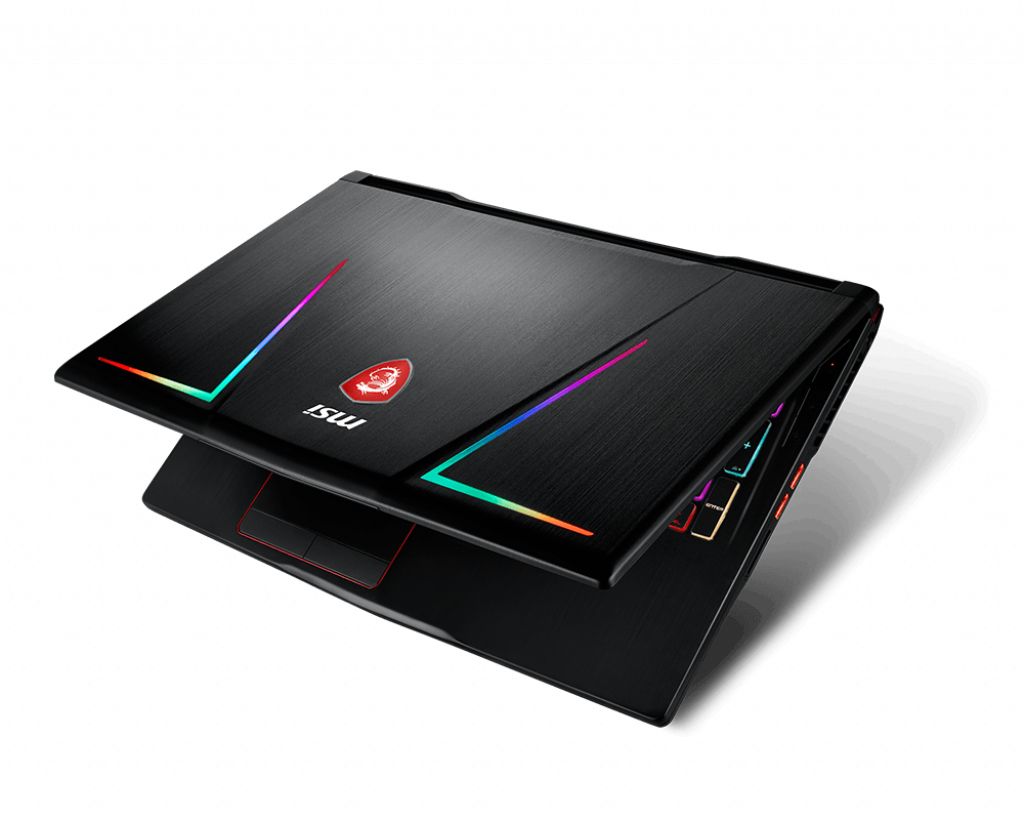
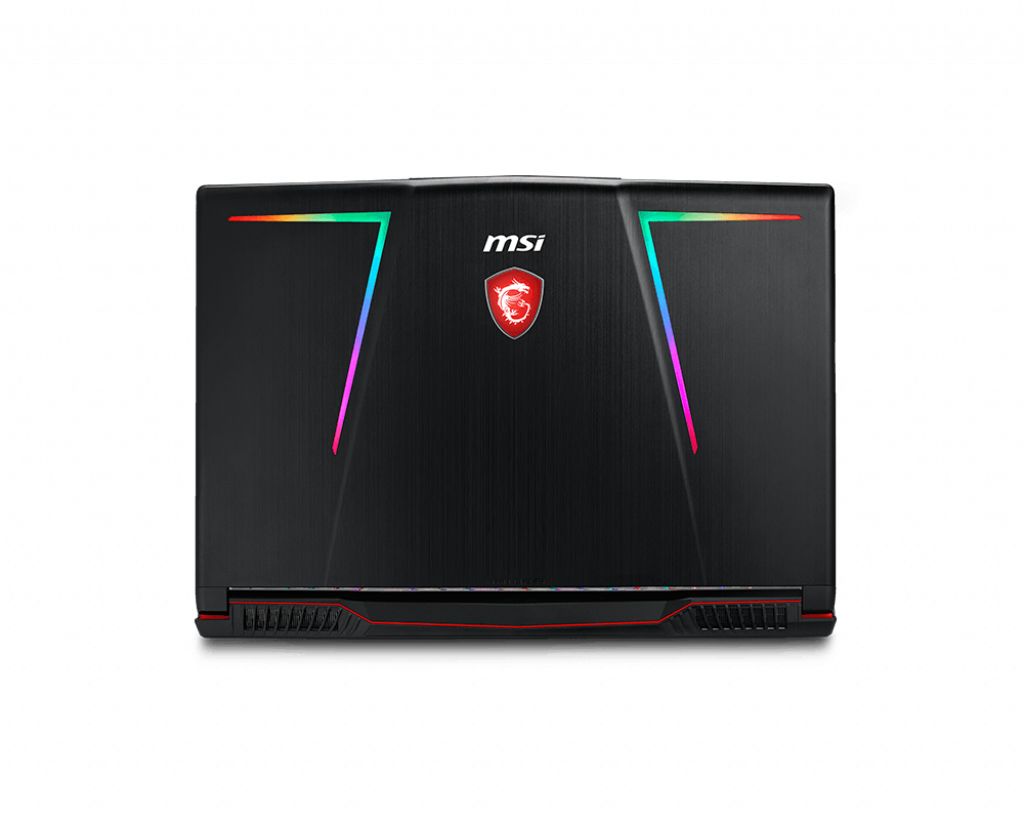
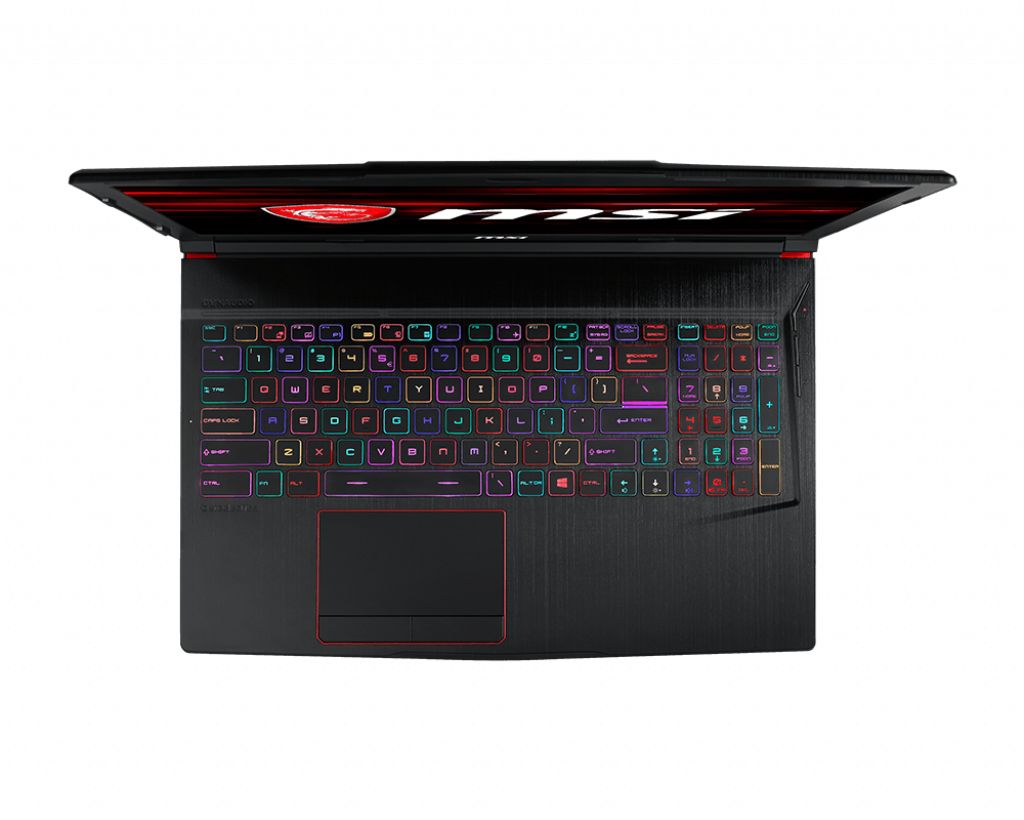
The MSI GE63 9SG-604BE Raider RGB gaming laptop features dual SO-DIMM memory slots supporting DDR4-SDRAM specifications. Upgrade capacity reaches maximum 64 GB total RAM, compatible with 2666 MHz frequency modules. Current configuration utilizes SO-DIMM form factor for expandable memory architecture. Existing slots accommodate compatible DDR4 upgrades to enhance system performance specifications for intensive gaming and multitasking applications.
Memory Upgrade Specifications
| Specification | Value |
|---|---|
| Memory slots | 2x SO-DIMM |
| Form factor | SO-DIMM |
| Memory type | DDR4-SDRAM |
| Frequency | 2666 MHz |
| Maximum RAM | 64 GB |
| Voltage | 1.2V |
| Number of pins | 260-pin |
| Interface | PC4 |
| PC Speed Rating | PC4-2666 (PC4-21328) |
| Bandwidth | 21.3 GB/s |
| Laptop Release date | 08 April 2019 |
Additional Notes
- The 2666 MHz frequency represents the maximum officially supported speed, though higher frequency modules may downclock to this specification when installed in the MSI GE63 9SG-604BE Raider RGB.
- Both memory slots must be populated with identical capacity modules to enable dual-channel operation, which doubles memory bandwidth for integrated graphics and CPU memory-intensive tasks.
- The SO-DIMM form factor requires modules approximately 67.6 mm in length, substantially smaller than desktop DIMM modules and physically incompatible with standard desktop RAM.
- Achieving the 64 GB maximum configuration requires 2 modules of 32 GB each, a capacity tier that typically carries significantly higher cost per gigabyte than 8 GB or 16 GB modules.
- DDR4-SDRAM operates at 1.2 volts standard specification, while low-voltage DDR4L modules at 1.35 volts may cause stability issues or prevent system boot if the chipset lacks automatic voltage detection.
- Memory upgrades exceeding factory-installed capacity may void manufacturer warranty coverage in certain regions, depending on local consumer protection regulations and warranty terms.
- Ninth-generation Intel mobile processors paired with this memory specification support single-rank and dual-rank modules, though mixing rank configurations across slots may reduce maximum stable frequency.
- The absence of ECC support in consumer DDR4-SDRAM means bit errors remain undetected and uncorrected, making this configuration unsuitable for applications requiring data integrity validation.
- Installing modules with mismatched timing parameters forces all memory to operate at the slowest common specification, potentially negating performance benefits of premium-grade RAM.
- The 2-slot configuration limits upgrade flexibility compared to 4-slot systems, as expanding from 32 GB to 64 GB requires complete replacement rather than addition of modules.