MSI Gaming GE65 9SF-040IT Raider RAM upgrade specifications

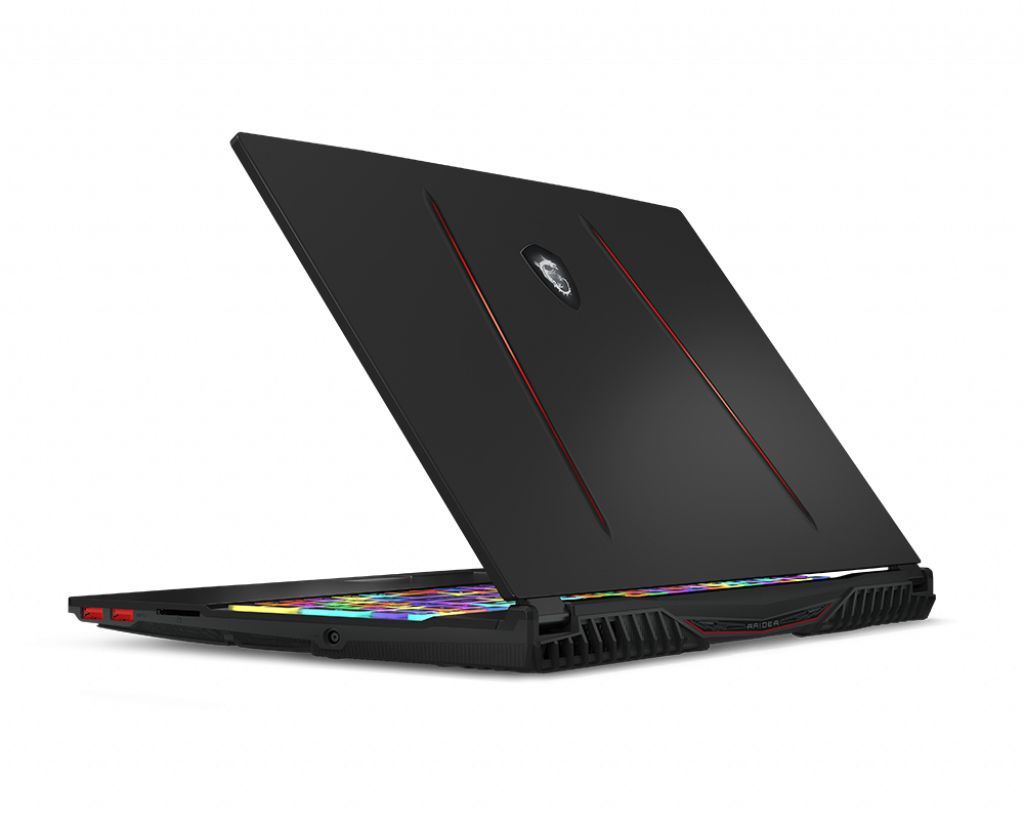
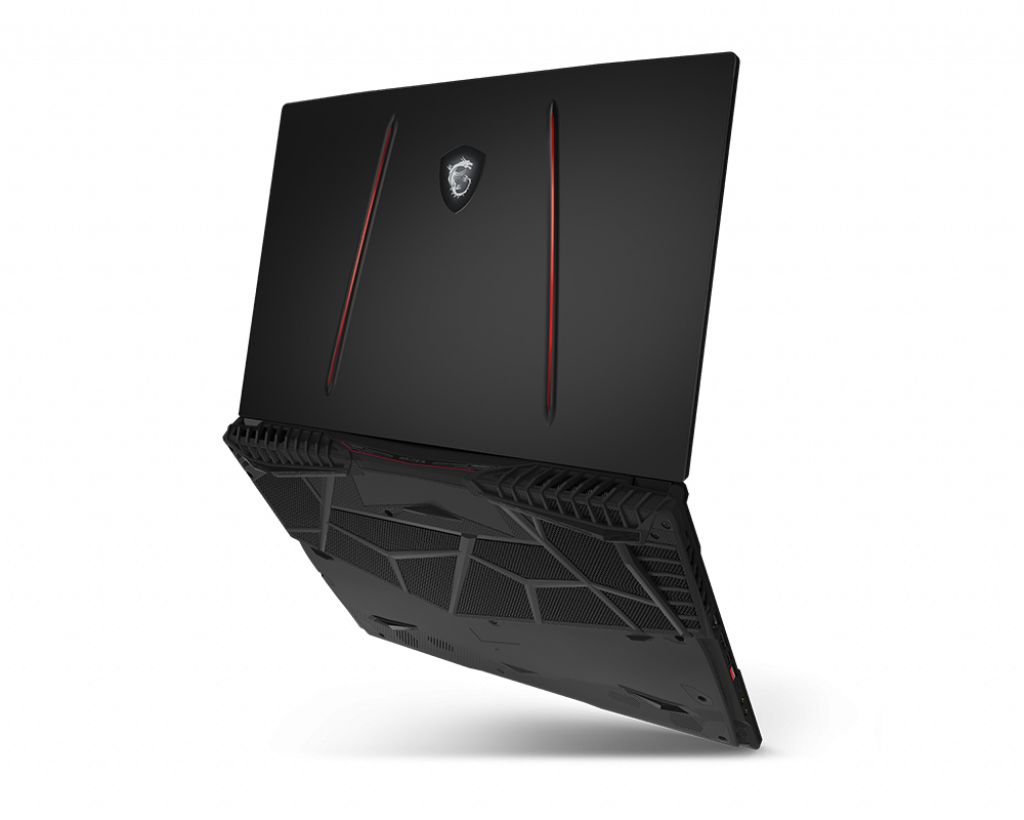


The MSI GE65 9SF-040IT Raider Gaming series laptop features two SO-DIMM slots for DDR4-SDRAM memory upgrades. The system supports a maximum RAM capacity of 64 GB total. Compatible memory modules operate at 2666 MHz frequency. RAM upgrade specifications indicate SO-DIMM form factor compatibility. The GE65 9SF-040IT Raider accommodates memory expansion through dual slot configuration, enabling users to increase the installed RAM capacity from factory specifications up to the maximum supported memory threshold.
Memory Upgrade Specifications
| Specification | Value |
|---|---|
| Memory slots | 2x SO-DIMM |
| Form factor | SO-DIMM |
| Memory type | DDR4-SDRAM |
| Frequency | 2666 MHz |
| Maximum RAM | 64 GB |
| Voltage | 1.2V |
| Number of pins | 260-pin |
| Interface | PC4 |
| PC Speed Rating | PC4-2666 (PC4-21328) |
| Bandwidth | 21.3 GB/s |
| Laptop Release date | 27 August 2019 |
Additional Notes
- Dual channel memory architecture requires installing modules in pairs to maximize the data bus width and prevent processor bottlenecks during intensive gaming tasks.
- The 64 GB capacity limit necessitates the use of high density 32 GB modules per slot which may require a BIOS update to ensure full stable recognition by the system firmware.
- Installing modules with frequencies exceeding 2666 MHz results in automatic downclocking to the motherboard chipset maximum without providing any performance gain.
- Physical access to the 2 SO-DIMM slots on the MSI GE65 9SF-040IT Raider involves removing the entire bottom chassis panel which can potentially void factory seal stickers depending on regional warranty policies.
- Mixing modules of different latencies or brands can cause system instability and force the memory controller to operate at the slowest common denominator timings.
- The use of standard voltage DDR4 modules is required as the motherboard regulation does not support older low voltage or newer high voltage overclocking profiles.
- Internal thermal management depends on thin heat spreaders because excessive module thickness can interfere with the structural seating of the bottom cover.