MSI Gaming GE65 9SF-041FR Raider RAM upgrade specifications
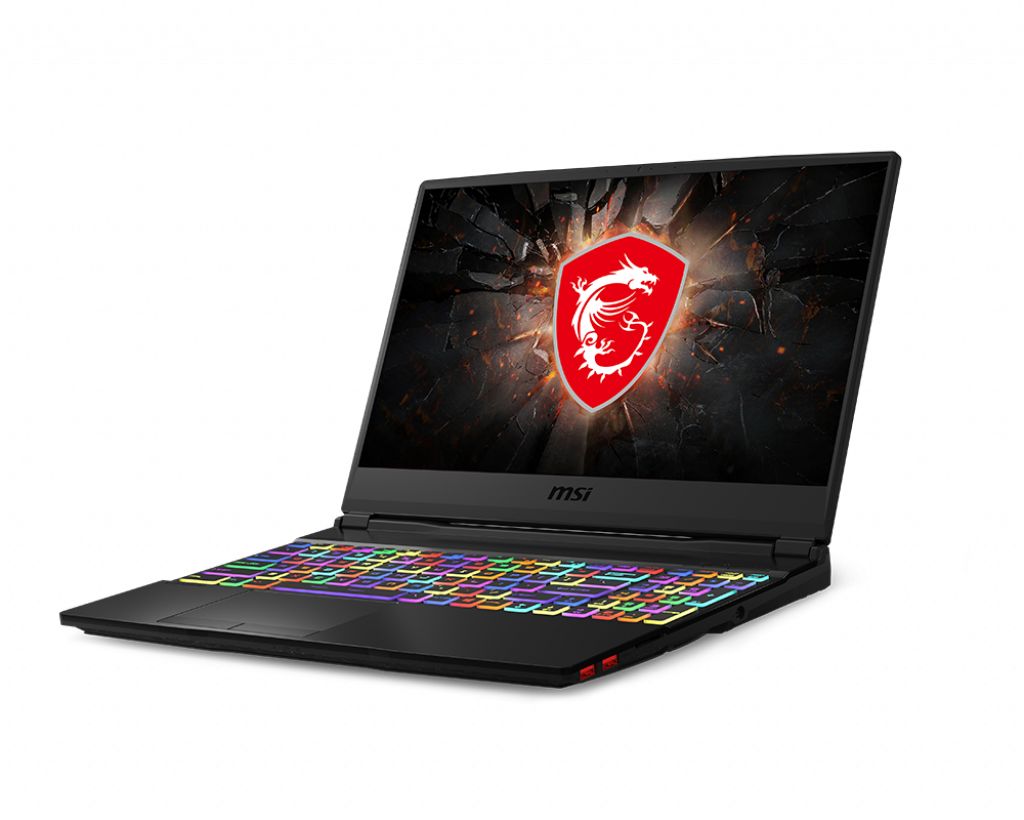
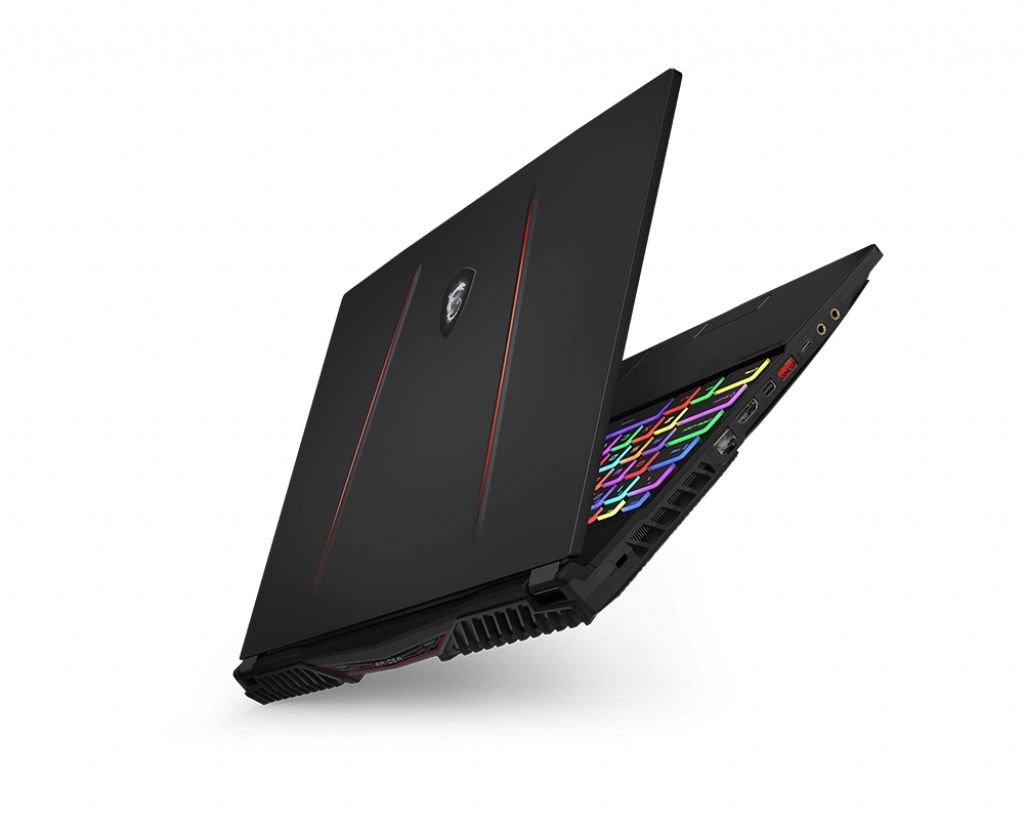

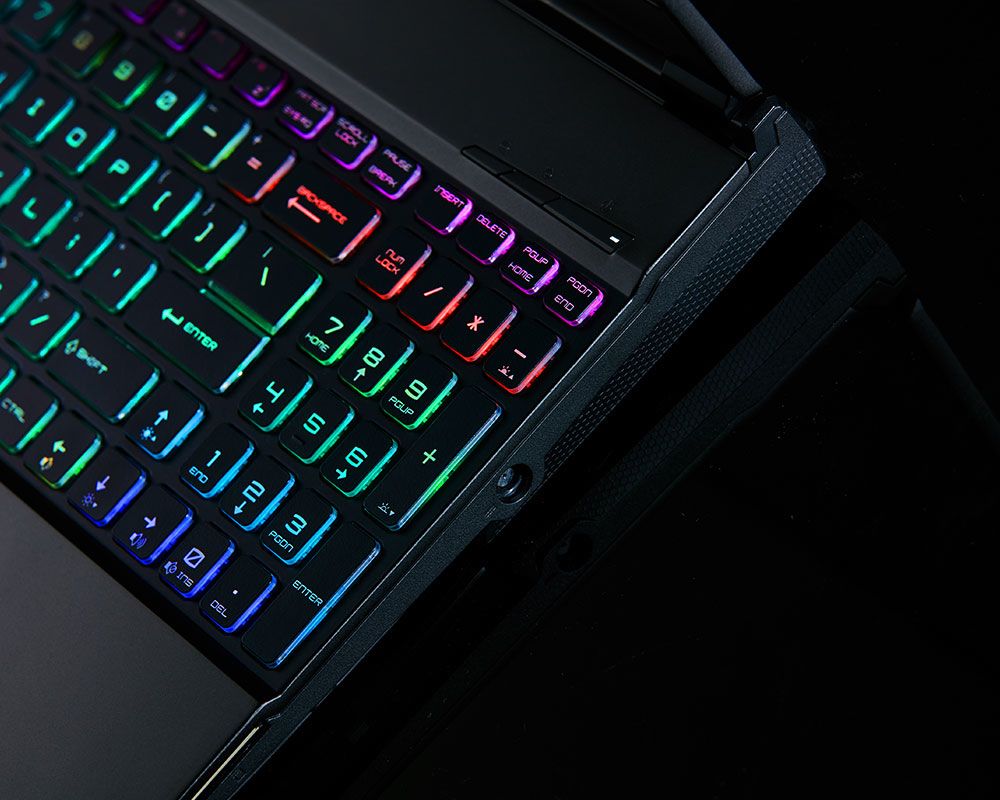
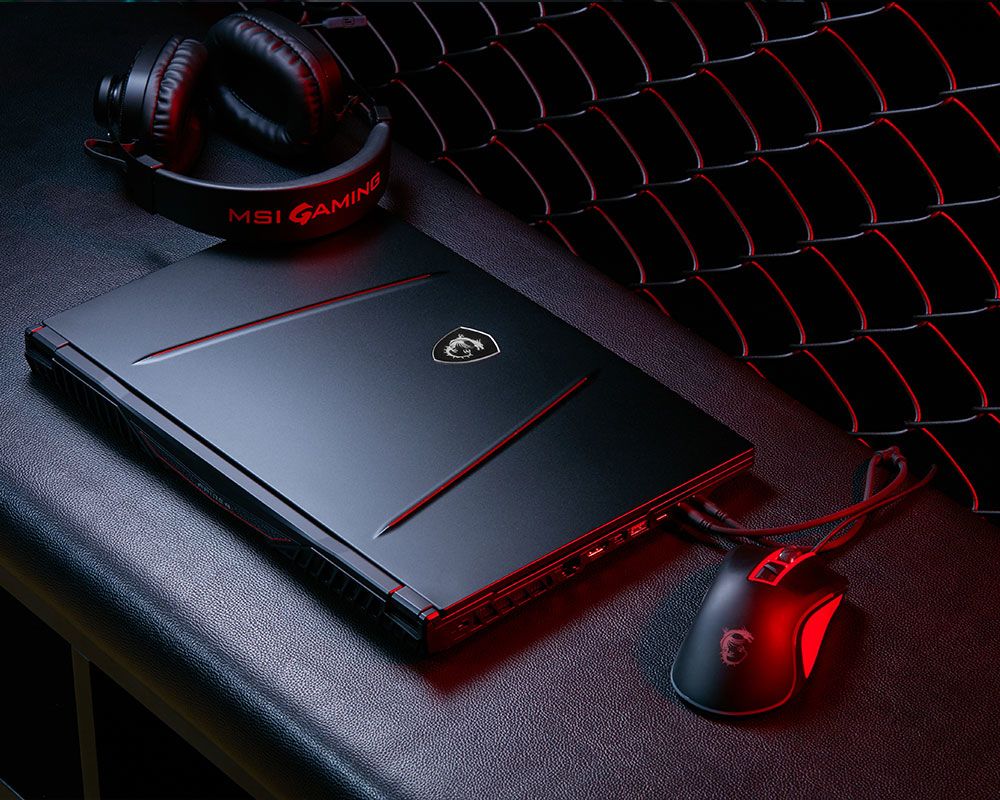
The MSI GE65 9SF-041FR Raider gaming laptop contains two SO-DIMM slots for DDR4-SDRAM memory upgrades. Maximum compatible RAM capacity reaches 64 GB total, with supported frequency of 2666 MHz. Upgrade specifications indicate the Gaming GE series model accepts standard SO-DIMM form factor modules, allowing users to expand memory beyond factory configuration. DDR4 memory modules function as compatible replacements for system memory expansion on this Raider platform.
Memory Upgrade Specifications
| Specification | Value |
|---|---|
| Memory slots | 2x SO-DIMM |
| Form factor | SO-DIMM |
| Memory type | DDR4-SDRAM |
| Frequency | 2666 MHz |
| Maximum RAM | 64 GB |
| Voltage | 1.2V |
| Number of pins | 260-pin |
| Interface | PC4 |
| PC Speed Rating | PC4-2666 (PC4-21328) |
| Bandwidth | 21.3 GB/s |
| Laptop Release date | 31 August 2019 |
Additional Notes
- The MSI GE65 9SF-041FR Raider accepts only laptop-sized memory modules, making standard desktop DIMMs incompatible regardless of other matching specifications.
- Total system capacity reaches 64 GB through two 32 GB modules, requiring matched density if dual-channel performance remains a priority.
- The 2666 MHz frequency ceiling prevents higher-rated modules from operating beyond this speed, as the system controller enforces this maximum regardless of module capability.
- Mixing modules with different frequencies forces all memory to operate at the speed of the slowest installed module, potentially underutilizing faster components.
- Both slots must be occupied with identical specifications to maintain dual-channel bandwidth, as mismatched configurations default to single-channel mode with halved throughput.
- DDR3 or DDR5 modules physically cannot install due to notch positioning differences, preventing accidental insertion of incompatible generation standards.
- Ninth-generation Intel mobile platforms typically support only JEDEC standard voltages, limiting compatibility with modules requiring XMP voltage profiles above 1.2V.
- Upgrading with unbuffered (unregistered) modules remains necessary, as SO-DIMM form factor excludes registered or load-reduced configurations used in server environments.
- Warranty preservation requires avoiding physical slot damage during installation, though memory upgrades generally do not void manufacturer coverage when properly executed.
- Single-rank versus dual-rank module architecture affects compatibility with certain 32 GB density configurations, as some controllers exhibit stability issues with specific rank arrangements at maximum capacity.