MSI Gaming GE65 9SF-403FR Raider RAM upgrade specifications
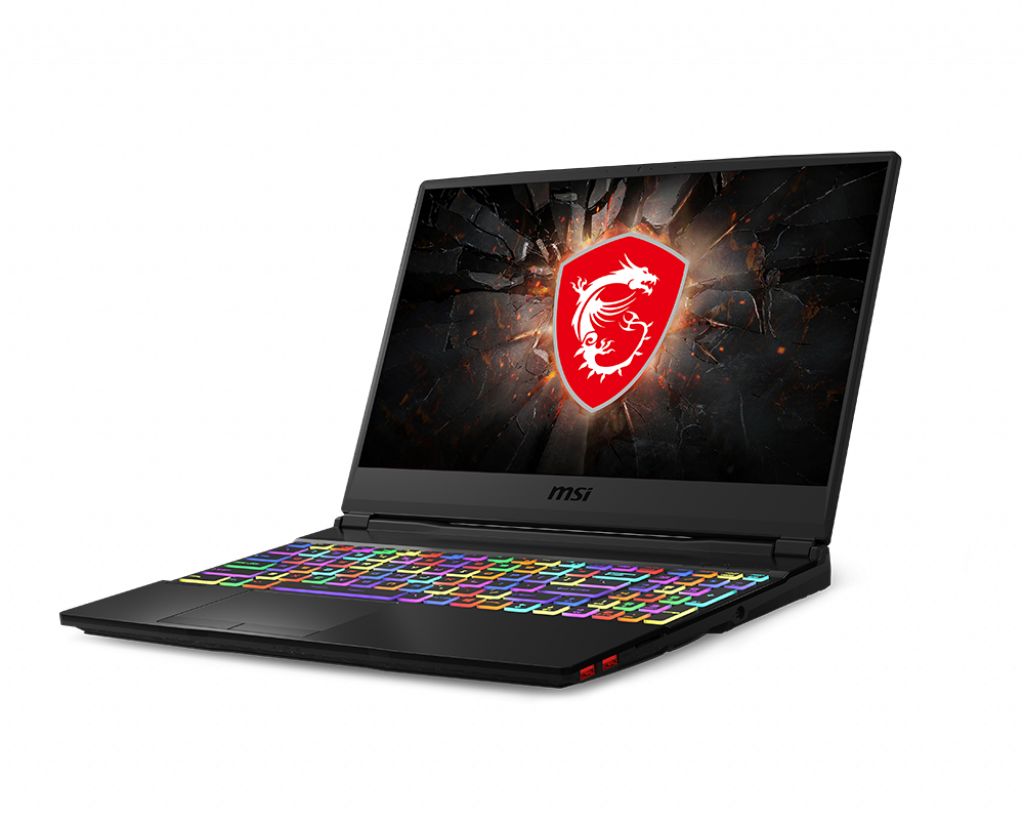
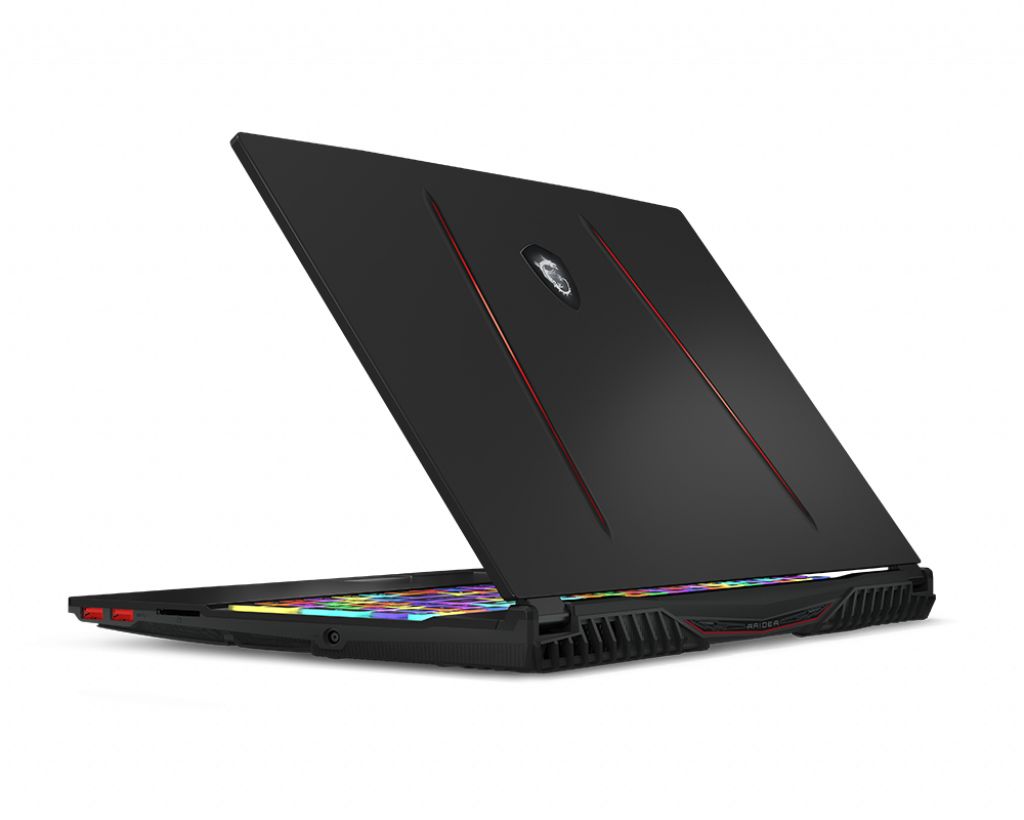

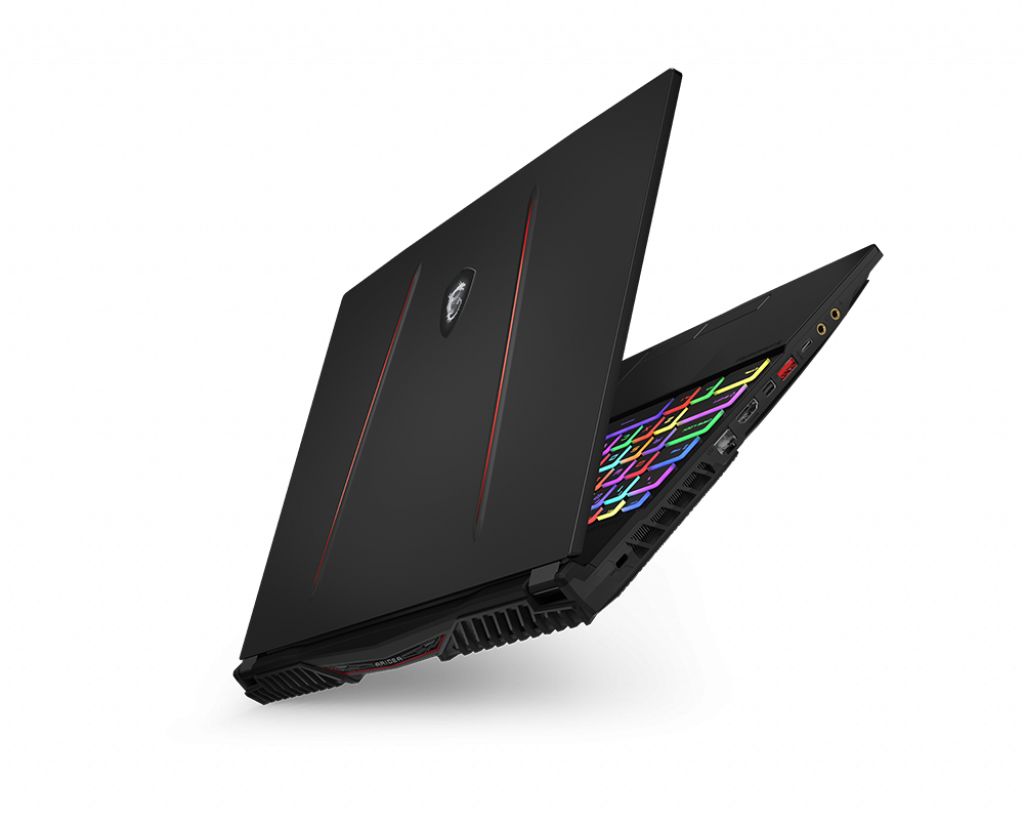

The MSI GE65 9SF-403FR Raider gaming laptop features DDR4-SDRAM memory upgrade specifications with 2x SO-DIMM slots supporting maximum capacity of 64 GB. Compatible memory operates at 2666 MHz frequency using SO-DIMM form factor. Upgrade options allow expansion from factory configuration to reach the maximum 64 GB total memory capacity. Specifications define supported memory types and compatible frequencies for RAM upgrades on the MSI Gaming GE series model.
Memory Upgrade Specifications
| Specification | Value |
|---|---|
| Memory slots | 2x SO-DIMM |
| Form factor | SO-DIMM |
| Memory type | DDR4-SDRAM |
| Frequency | 2666 MHz |
| Maximum RAM | 64 GB |
| Voltage | 1.2V |
| Number of pins | 260-pin |
| Interface | PC4 |
| PC Speed Rating | PC4-2666 (PC4-21328) |
| Bandwidth | 21.3 GB/s |
| Laptop Release date | 15 December 2019 |
Additional Notes
- The MSI GE65 9SF-403FR Raider uses SO-DIMM modules instead of standard desktop DIMMs, requiring laptop-specific memory that typically costs more per gigabyte than desktop equivalents.
- The 2666 MHz frequency indicates the system uses a 9th generation Intel Core processor with locked memory controller specifications, preventing higher speeds like 3200 MHz from running at their rated performance.
- With only 2 physical slots available, reaching the 64 GB maximum requires purchasing two 32 GB modules, leaving no intermediate upgrade path between current capacity and maximum capacity.
- The dual-slot configuration limits future expandability since any capacity increase requires replacing both existing modules rather than adding to empty slots.
- DDR4-2666 operates at a lower bandwidth of 21.3 GB/s per channel compared to DDR4-3200's 25.6 GB/s, creating a potential bottleneck for memory-intensive applications like video editing or 3D rendering.
- Installing mismatched RAM speeds will force all modules to operate at the lowest common frequency, negating any performance benefits from faster memory.
- The 64 GB ceiling may restrict professional workflows involving large datasets, virtual machines, or high-resolution content creation that benefit from memory allocations exceeding this limit.
- SO-DIMM installation requires accessing the bottom panel of the chassis, which may void warranty seals depending on regional service policies and manufacturer terms.
- Single-rank versus dual-rank module selection affects memory interleaving performance, with dual-channel dual-rank configurations providing measurably better bandwidth for integrated graphics and CPU-intensive tasks.
- Non-ECC memory means the system lacks error correction capabilities, making it unsuitable for mission-critical applications where data integrity verification is mandatory.