MSI Gaming GE66 10SFS-072 Raider RAM upgrade specifications

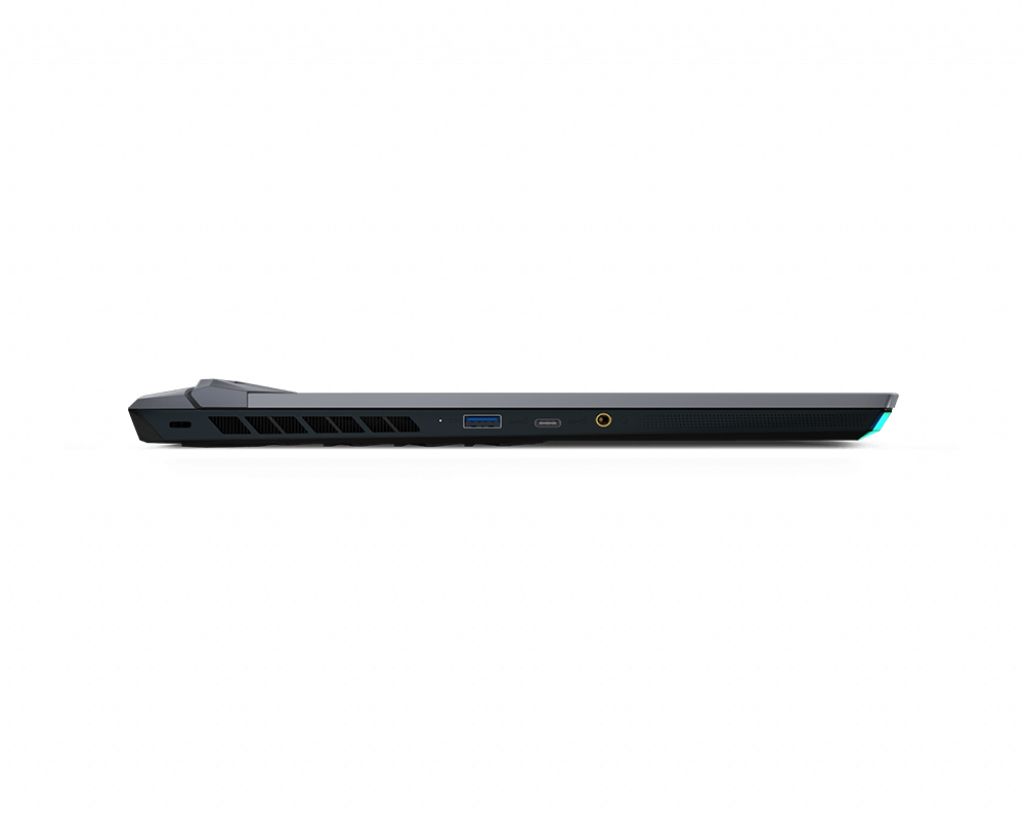



The MSI GE66 10SFS-072 Raider Gaming series laptop contains two SO-DIMM memory slots supporting DDR4-SDRAM upgrades at 2666 MHz frequency. The system specifications allow for maximum RAM capacity of 64 GB total memory. Compatible upgrade modules must match the SO-DIMM form factor and DDR4-SDRAM type to ensure proper functionality with the GE66 Raider platform.
Memory Upgrade Specifications
| Specification | Value |
|---|---|
| Memory slots | 2x SO-DIMM |
| Form factor | SO-DIMM |
| Memory type | DDR4-SDRAM |
| Frequency | 2666 MHz |
| Maximum RAM | 64 GB |
| Voltage | 1.2V |
| Number of pins | 260-pin |
| Interface | PC4 |
| PC Speed Rating | PC4-2666 (PC4-21328) |
| Bandwidth | 21.3 GB/s |
| Laptop Release date | 01 April 2020 |
Additional Notes
- The MSI GE66 10SFS-072 Raider operates on DDR4 technology, which restricts upgrades to DDR4 modules exclusively, as DDR5 or DDR3 modules are physically and electrically incompatible with this generation's memory controller.
- Dual-channel architecture requires matched pairs for optimal performance, meaning asymmetric configurations may result in single-channel operation and reduced memory bandwidth.
- The 2666 MHz frequency represents JEDEC standard speed, suggesting higher-speed modules rated at 3200 MHz or beyond will downclock to match the system's maximum supported frequency.
- SO-DIMM form factor designation indicates standard laptop memory modules are required, as desktop DIMM modules will not physically fit the socket design.
- Two-slot configuration limits upgrade flexibility, requiring complete replacement of existing modules rather than simple addition when approaching the 64 GB ceiling.
- The 64 GB maximum capacity constraint originates from chipset limitations, preventing recognition of higher-density modules even if 32 GB SO-DIMMs become available.
- Non-ECC unbuffered modules are implied by the gaming classification, as ECC registered memory typically causes boot failures or system instability in consumer-grade platforms.
- Voltage specifications default to 1.2V for DDR4 operation, making low-voltage variants unnecessary and potentially causing compatibility issues if non-standard voltage modules are installed.
- Memory access latency remains governed by CAS latency timings, where tighter timings at the same frequency may offer marginal performance gains in memory-sensitive workloads.
- Thermal constraints in gaming laptops may affect sustained memory performance, as SO-DIMM modules lack dedicated heatspreaders common in desktop configurations.
- Manufacturer warranty provisions typically remain intact with memory upgrades, as RAM replacement constitutes user-serviceable maintenance in most gaming laptop product lines.