MSI Gaming GE66 10SFS-202ES Raider RAM upgrade specifications



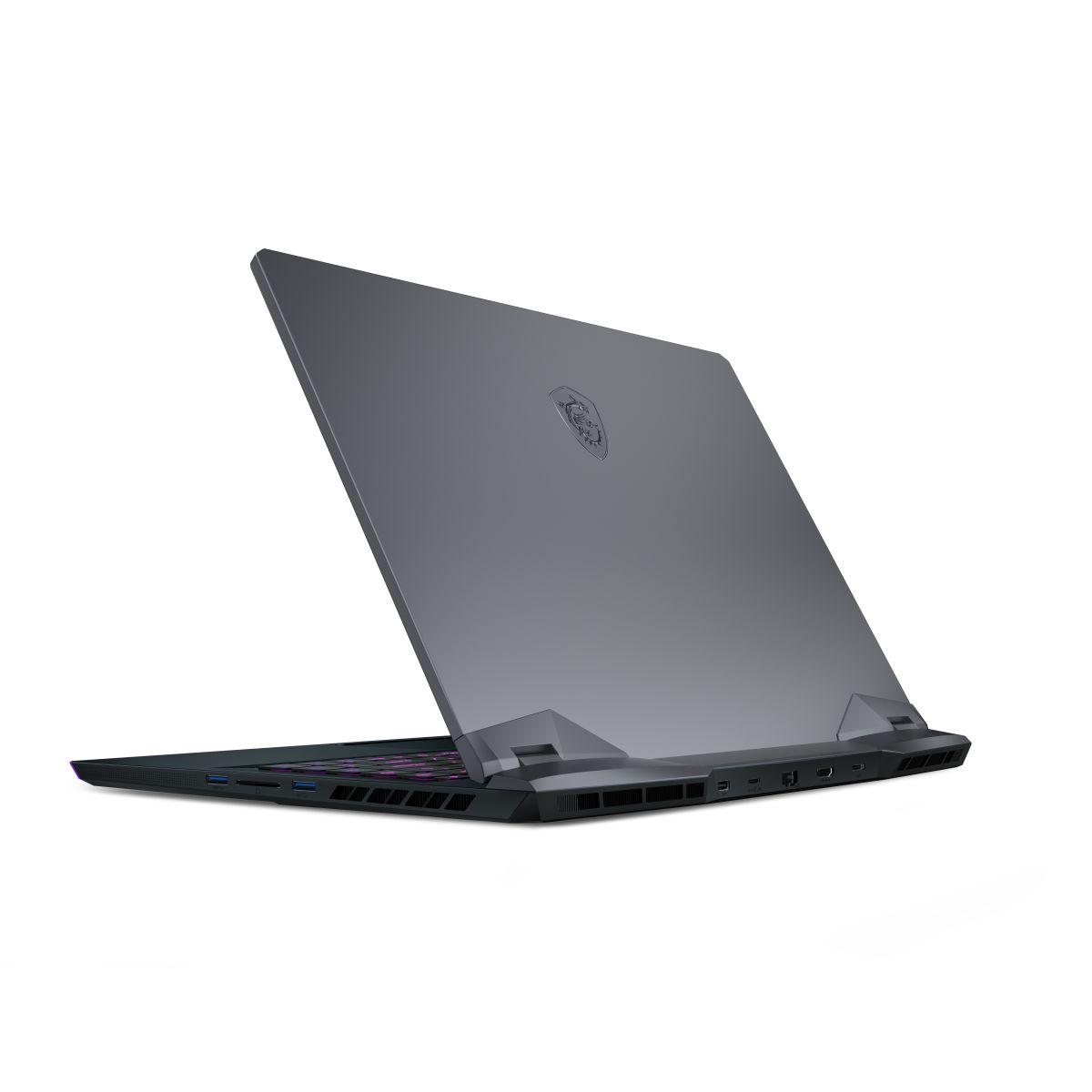

MSI GE66 10SFS-202ES Raider gaming laptop features two SO-DIMM slots for DDR4-SDRAM memory upgrade capability. Maximum supported RAM capacity reaches 64 GB total, with compatible modules operating at 2666 MHz frequency specifications. The GE series Gaming family laptop accommodates SO-DIMM form factor memory modules. Upgrade slots allow for modular memory expansion to enhance system performance on the MSI Raider model.
Memory Upgrade Specifications
| Specification | Value |
|---|---|
| Memory slots | 2x SO-DIMM |
| Form factor | SO-DIMM |
| Memory type | DDR4-SDRAM |
| Frequency | 2666 MHz |
| Maximum RAM | 64 GB |
| Voltage | 1.2V |
| Number of pins | 260-pin |
| Interface | PC4 |
| PC Speed Rating | PC4-2666 (PC4-21328) |
| Bandwidth | 21.3 GB/s |
| Laptop Release date | 25 March 2020 |
Additional Notes
- The dual-channel architecture requires identical module pairs to achieve peak memory bandwidth and prevent latency disparities during heavy computational loads.
- The SO-DIMM physical layout necessitates the complete removal of existing modules if both slots are currently occupied, as there are no additional expansion banks available.
- Installing modules with frequencies exceeding 2666 MHz will result in automatic downclocking to match the integrated memory controller limits of the 10th Generation Intel architecture.
- The 64 GB threshold represents the maximum addressable density supported by the motherboard firmware, meaning higher capacity modules will cause boot failure or system instability.
- Internal hardware access for the MSI GE66 10SFS-202ES Raider involves penetrating a factory seal which may impact warranty coverage depending on regional consumer protection laws.
- Thermal management constraints within the slim chassis favor modules without thick heat spreaders to ensure proper clearance and airflow around the SODIMM area.
- Upgrading to the maximum capacity provides the necessary overhead for memory-intensive tasks like 4K video rendering or running multiple virtual machines simultaneously without utilizing slow disk-based swap files.