MSI Gaming GE66 10SFS-426 Raider Dragonshield RAM upgrade specifications

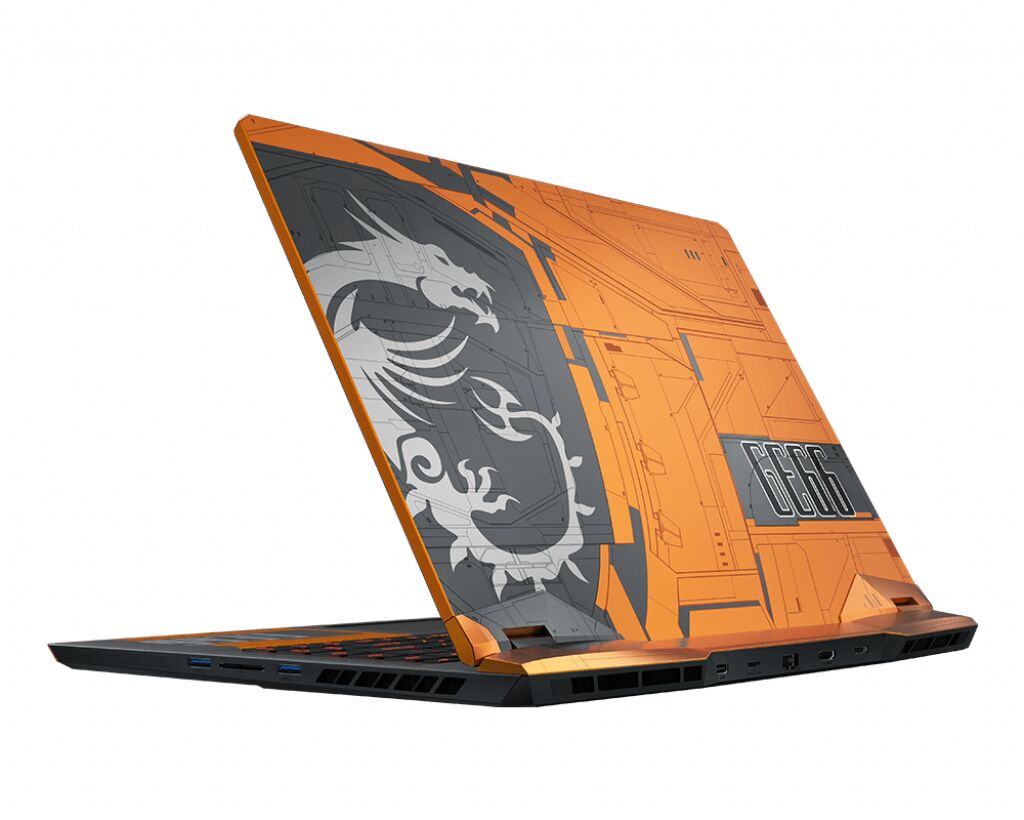

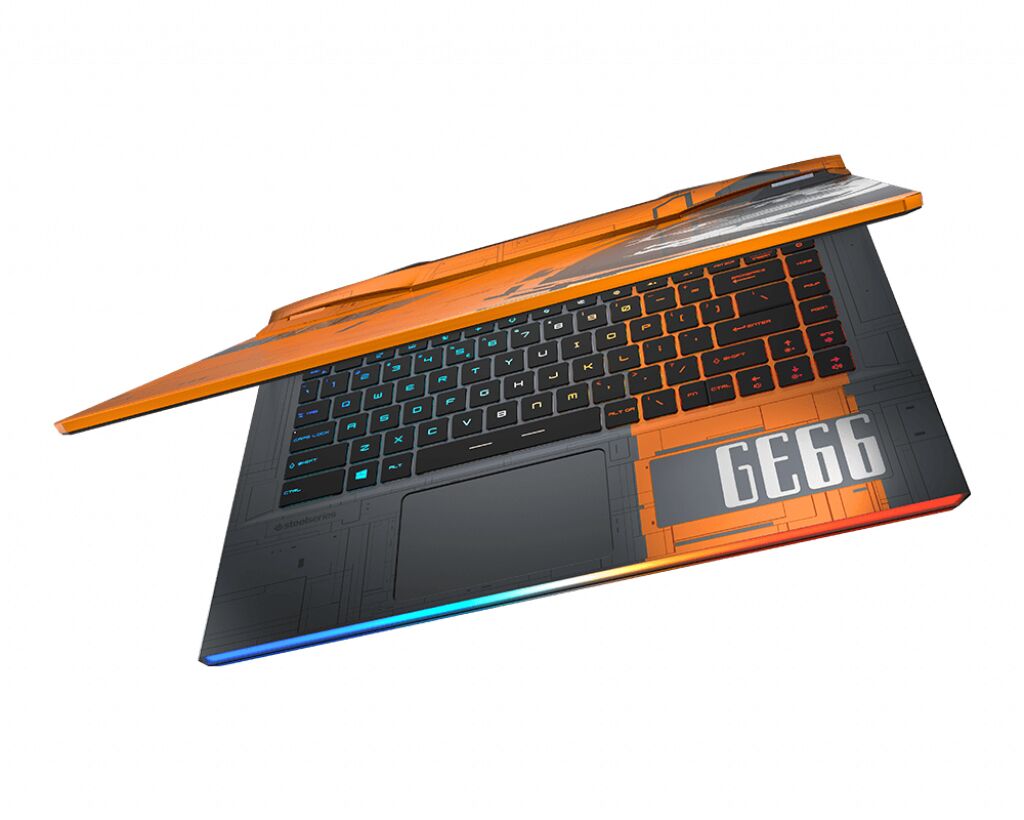
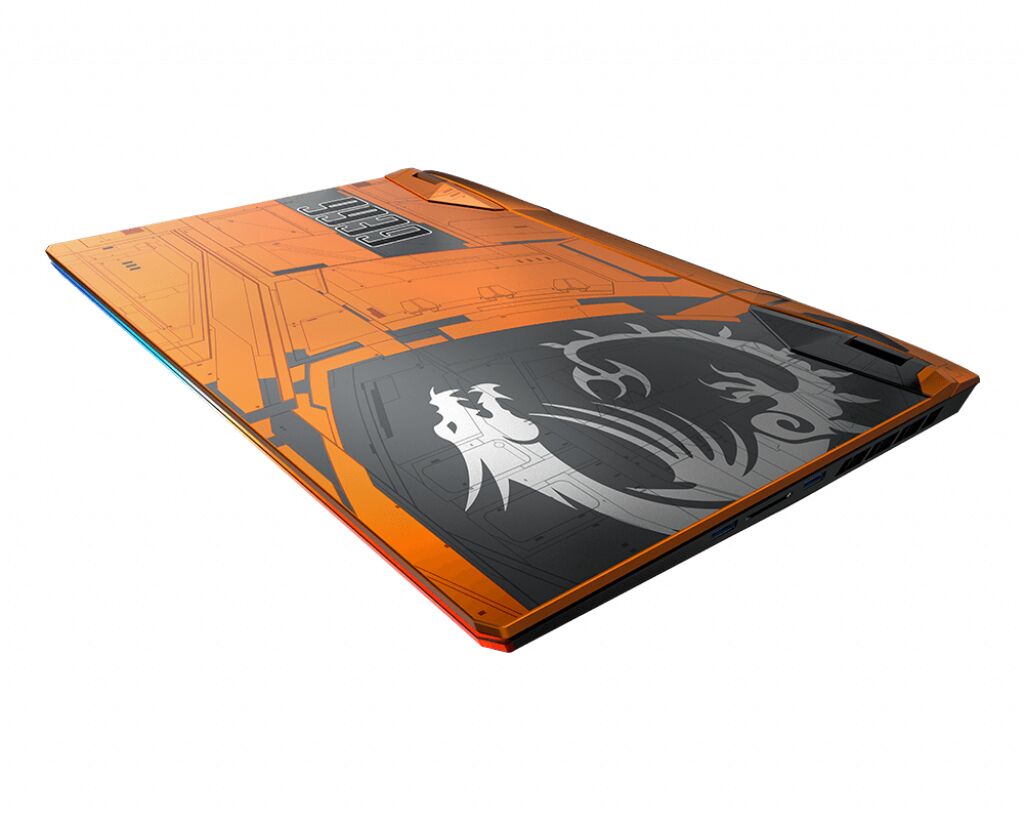
The MSI GE66 10SFS-426 Raider Dragonshield gaming laptop features DDR4-SDRAM memory upgrade specifications with two SO-DIMM slots supporting a maximum RAM capacity of 64 GB. The memory modules operate at 3200 MHz frequency. Compatible upgrades utilize SO-DIMM form factor specifications, allowing users to expand the existing memory configuration on this GE series model. Maximum supported capacity reaches 64 GB total across both memory slots for enhanced multitasking performance.
Memory Upgrade Specifications
| Specification | Value |
|---|---|
| Memory slots | 2x SO-DIMM |
| Form factor | SO-DIMM |
| Memory type | DDR4-SDRAM |
| Frequency | 3200 MHz |
| Maximum RAM | 64 GB |
| Voltage | 1.2V |
| Number of pins | 260-pin |
| Interface | PC4 |
| PC Speed Rating | PC4-3200 (PC4-25600) |
| Bandwidth | 25.6 GB/s |
| Laptop Release date | 10 September 2020 |
Additional Notes
- The dual channel architecture of the MSI GE66 10SFS-426 Raider Dragonshield requires matching memory module pairs to achieve peak data transfer rates and avoid bandwidth throttling in CPU intensive tasks.
- Population of both SO-DIMM slots with 32 GB modules is necessary to reach the maximum supported memory density because the motherboard firmware rejects configurations exceeding 64 GB.
- Integrated memory controllers on 10th Gen Intel processors may downclock the frequency to 2933 MHz depending on the specific CPU SKU despite the 3200 MHz rating of the physical modules.
- Accessing the internal hardware requires the removal of the entire bottom chassis plate which involves breaking a factory seal sticker and potentially impacting regional warranty coverage.
- The usage of SO-DIMM slots instead of soldered memory allows for future replacement of faulty modules without necessitating a complete motherboard swap.
- High density 32 GB modules generate more heat localized near the center of the PCB requiring the cooling system to maintain adequate airflow over the memory area to prevent thermal instability.
- Installation of aftermarket memory with aggressive XMP profiles might require manual BIOS adjustments since the system defaults to standard JEDEC timings for stability.