MSI Gaming GE66 10SFS-446FR Raider Dragonshield RAM upgrade specifications




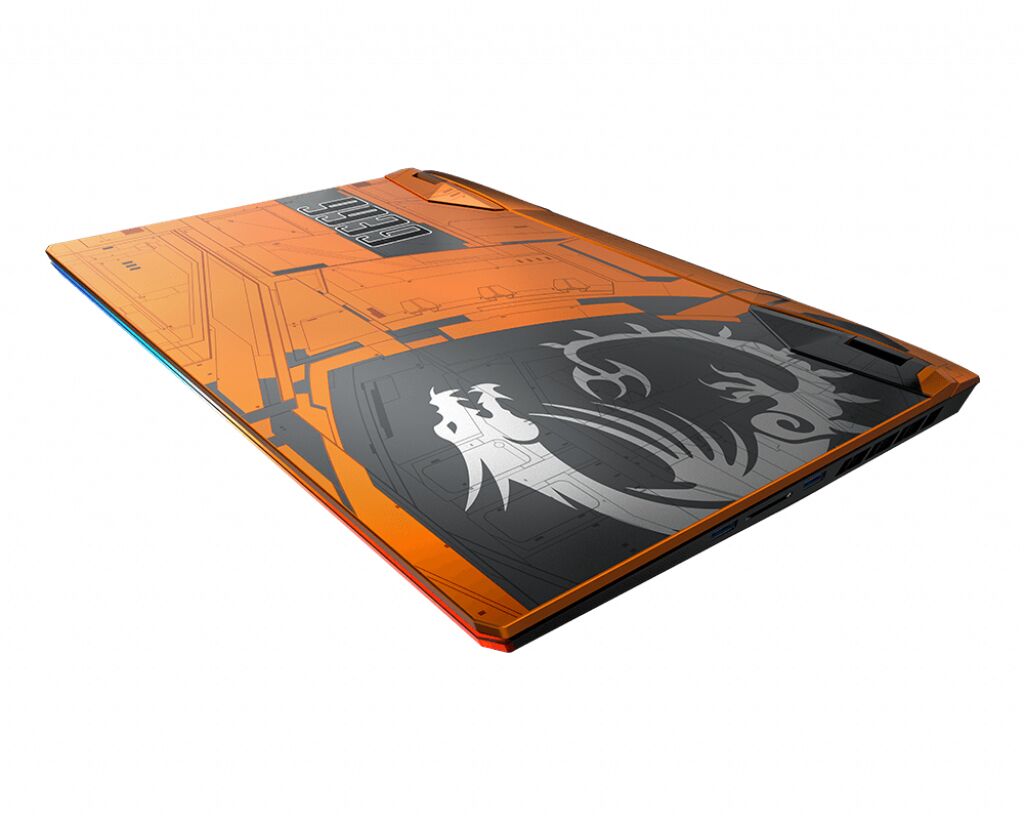
The MSI GE66 10SFS-446FR Raider Dragonshield gaming laptop features two SO-DIMM memory slots supporting DDR4-SDRAM upgrade specifications. Maximum RAM capacity reaches 64 GB total, with compatible memory operating at 3200 MHz frequency. The GE series model accommodates dual SO-DIMM modules for memory expansion, enabling users to upgrade from factory-installed configurations. Specifications indicate DDR4-SDRAM compatibility across both slots, providing flexibility for increasing system memory capacity to the 64 GB maximum threshold on MSI's gaming-class GE66 platform.
Memory Upgrade Specifications
| Specification | Value |
|---|---|
| Memory slots | 2x SO-DIMM |
| Form factor | SO-DIMM |
| Memory type | DDR4-SDRAM |
| Frequency | 3200 MHz |
| Maximum RAM | 64 GB |
| Voltage | 1.2V |
| Number of pins | 260-pin |
| Interface | PC4 |
| PC Speed Rating | PC4-3200 (PC4-25600) |
| Bandwidth | 25.6 GB/s |
| Laptop Release date | 15 January 2021 |
Additional Notes
- The 64 GB ceiling represents a hard platform limit imposed by the Intel 10th generation mobile chipset architecture, preventing future expansion beyond dual-channel 32 GB module configurations.
- Native 3200 MHz operation requires JEDEC SPD validation, as XMP profiles designed for desktop platforms may fail to initialize or force fallback to lower JEDEC speeds in SO-DIMM implementations.
- Mixing modules with different ranks (single-rank with dual-rank) will force both channels to operate at the lower rank's performance characteristics, creating asymmetric memory access patterns.
- The MSI GE66 10SFS-446FR Raider Dragonshield thermal architecture positions memory modules directly beneath the primary heat exhaust path, requiring low-profile SO-DIMM designs without extended heat spreaders to maintain airway clearance.
- Warranty preservation mandates avoiding disassembly of sealed bottom panels on certain MSI configurations, where memory access may require removing components beyond the dedicated upgrade door.
- Non-matching CAS latencies between installed modules will synchronize both channels to the slower timing table, degrading effective bandwidth despite identical frequency ratings.
- Upgrading from factory-installed capacity triggers re-validation of Intel Extreme Tuning Utility profiles, as voltage and timing parameters tuned for original modules may destabilize with different IC densities.
- Dual-channel population symmetry (identical capacity per slot) prevents the memory controller from entering flex mode, which would partition memory into asymmetric performance zones.
- High-density 32 GB SO-DIMM modules utilize double-sided IC placement, increasing z-height beyond standard 30mm profiles and potentially interfering with bottom panel standoff clearances.
- The absence of ECC support in consumer DDR4 SO-DIMM configurations eliminates error correction overhead but exposes mission-critical applications to undetected bit-flip vulnerabilities during sustained operations.