MSI Gaming GE66 10SGS-074 Raider RAM upgrade specifications



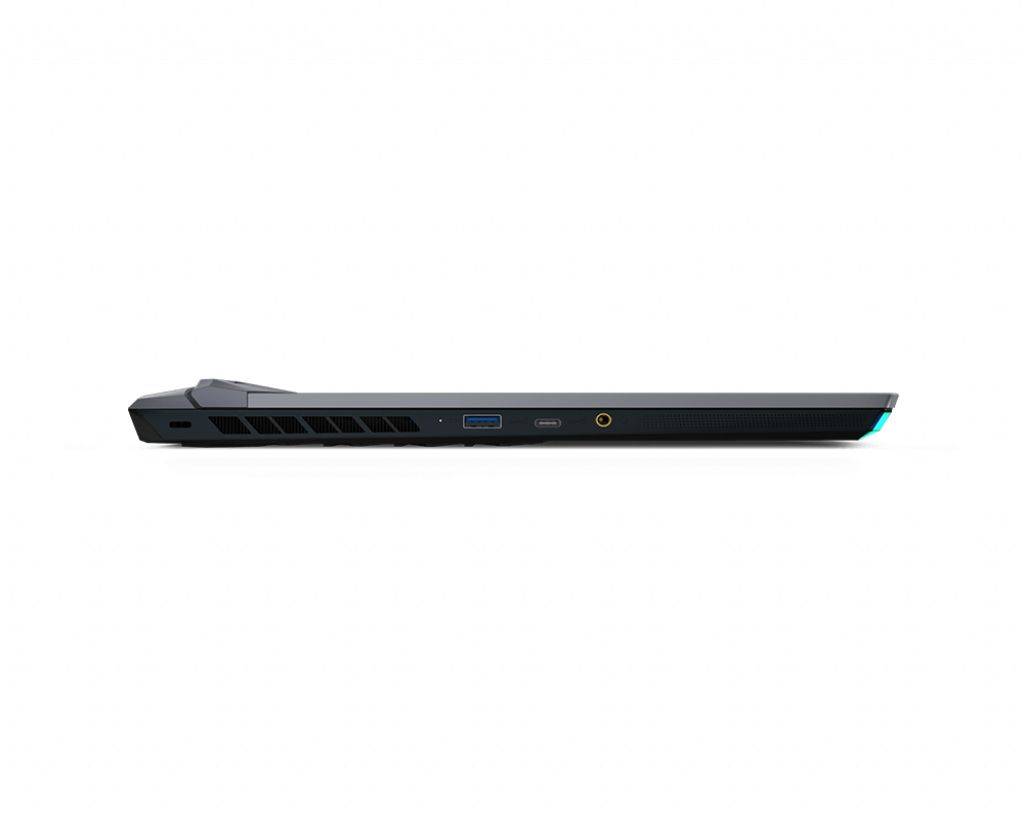

The MSI GE66 10SGS-074 Raider Gaming series laptop features DDR4-SDRAM memory upgrade specifications with two SO-DIMM slots supporting maximum capacity of 64 GB. Compatible memory operates at 2666 MHz frequency. Upgrade slots accommodate DDR4 SO-DIMM modules. Current specifications indicate 2x SO-DIMM memory configuration. Maximum RAM capacity reaches 64 GB for the GE66 10SGS-074 Raider model. DDR4-SDRAM compatibility ensures memory upgrade options within specifications parameters.
Memory Upgrade Specifications
| Specification | Value |
|---|---|
| Memory slots | 2x SO-DIMM |
| Form factor | SO-DIMM |
| Memory type | DDR4-SDRAM |
| Frequency | 2666 MHz |
| Maximum RAM | 64 GB |
| Voltage | 1.2V |
| Number of pins | 260-pin |
| Interface | PC4 |
| PC Speed Rating | PC4-2666 (PC4-21328) |
| Bandwidth | 21.3 GB/s |
| Laptop Release date | 01 April 2020 |
Additional Notes
- The dual channel architecture requires installing memory modules in matching pairs to achieve maximum memory bandwidth and prevent single channel throughput bottlenecks.
- Upgrading the MSI GE66 10SGS-074 Raider to the 64 GB limit necessitates the complete replacement of existing modules because the system lacks vacant expansion slots.
- Latency timings and clock speeds will automatically downclock to the lowest common denominator if mismatched modules are installed across the 2 slots.
- Integration of high density 32 GB modules is required to reach the maximum supported capacity due to the physical constraint of only 2 available SO-DIMM headers.
- The 2666 MHz frequency ceiling indicates that installing higher speed DDR4 modules will result in the hardware capping performance at the motherboard's native bus speed.
- Thermal management remains a factor during high capacity memory operation because the compact SO-DIMM form factor relies on internal chassis airflow rather than dedicated heat spreaders.
- System stability for professional workloads is maintained by adhering to the 64 GB threshold as exceeding this capacity results in a failure to post or memory addressing errors.