MSI Gaming GE66 10SGS-208FR Raider RAM upgrade specifications

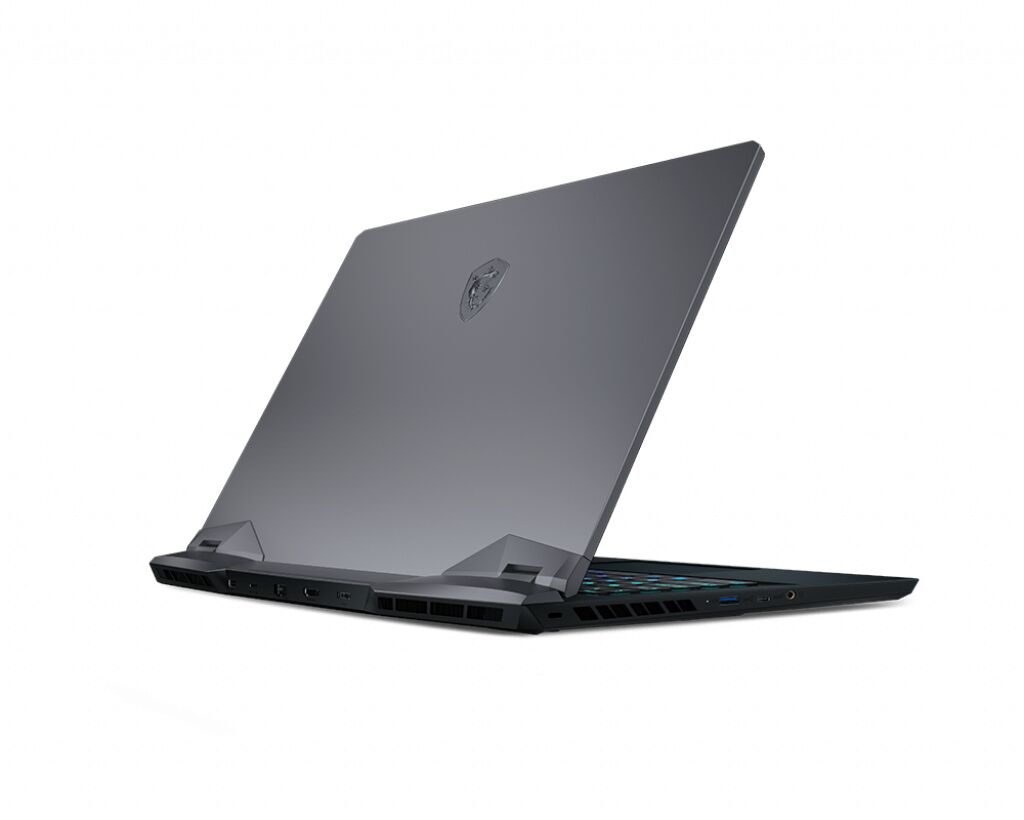
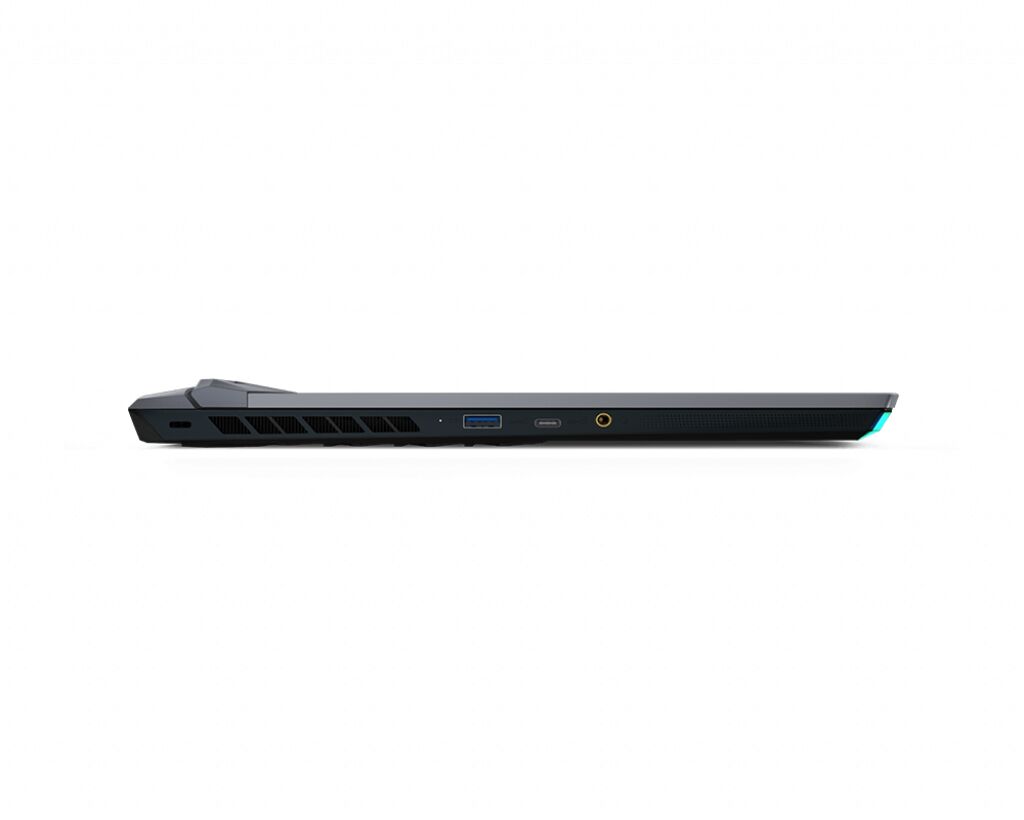

MSI GE66 10SGS-208FR Raider gaming laptop supports DDR4-SDRAM memory upgrades via dual SO-DIMM slots. Maximum RAM capacity reaches 64 GB total, with compatible modules operating at 3200 MHz frequency. Upgrade specifications indicate SO-DIMM form factor compatibility for the GE series configuration, enabling expanded memory capacity for enhanced system performance in gaming applications.
Memory Upgrade Specifications
| Specification | Value |
|---|---|
| Memory slots | 2x SO-DIMM |
| Form factor | SO-DIMM |
| Memory type | DDR4-SDRAM |
| Frequency | 3200 MHz |
| Maximum RAM | 64 GB |
| Voltage | 1.2V |
| Number of pins | 260-pin |
| Interface | PC4 |
| PC Speed Rating | PC4-3200 (PC4-25600) |
| Bandwidth | 25.6 GB/s |
| Laptop Release date | 10 April 2020 |
Additional Notes
- The 10th generation Intel processor in the MSI GE66 10SGS-208FR Raider supports dual-channel memory architecture, requiring matched pairs for optimal bandwidth utilization.
- DDR4 SO-DIMM modules at 3200 MHz provide a theoretical bandwidth ceiling of 51.2 GB/s when both channels operate in synchronous mode.
- Mismatched module capacities between the 2 slots will force the system into asymmetric dual-channel or single-channel operation, reducing memory throughput by approximately 30 to 50 percent.
- The 64 GB capacity limit reflects the memory controller's addressing capability rather than physical slot constraints, making 2x32 GB configurations the maximum viable topology.
- Modules exceeding 3200 MHz specifications will downclock to match the supported frequency, as the chipset enforces this speed ceiling regardless of DIMM capabilities.
- Non-ECC unbuffered modules represent the only compatible architecture, as SO-DIMM form factors in consumer gaming platforms lack error correction infrastructure.
- Operating voltage must remain within the DDR4 standard specification of 1.2V, as deviations may trigger stability issues or void thermal design parameters.
- Access to memory slots typically requires complete bottom panel removal, positioning the upgrade as a moderate-complexity procedure compared to systems with dedicated service doors.
- Mixing modules from different manufacturers or production batches increases the probability of timing incompatibilities, even when frequency and capacity specifications align.
- The system BIOS lacks manual memory timing controls found in desktop platforms, preventing user intervention when automatic SPD detection produces suboptimal configurations.