MSI Gaming GE66 10SGS-290IT Raider RAM upgrade specifications



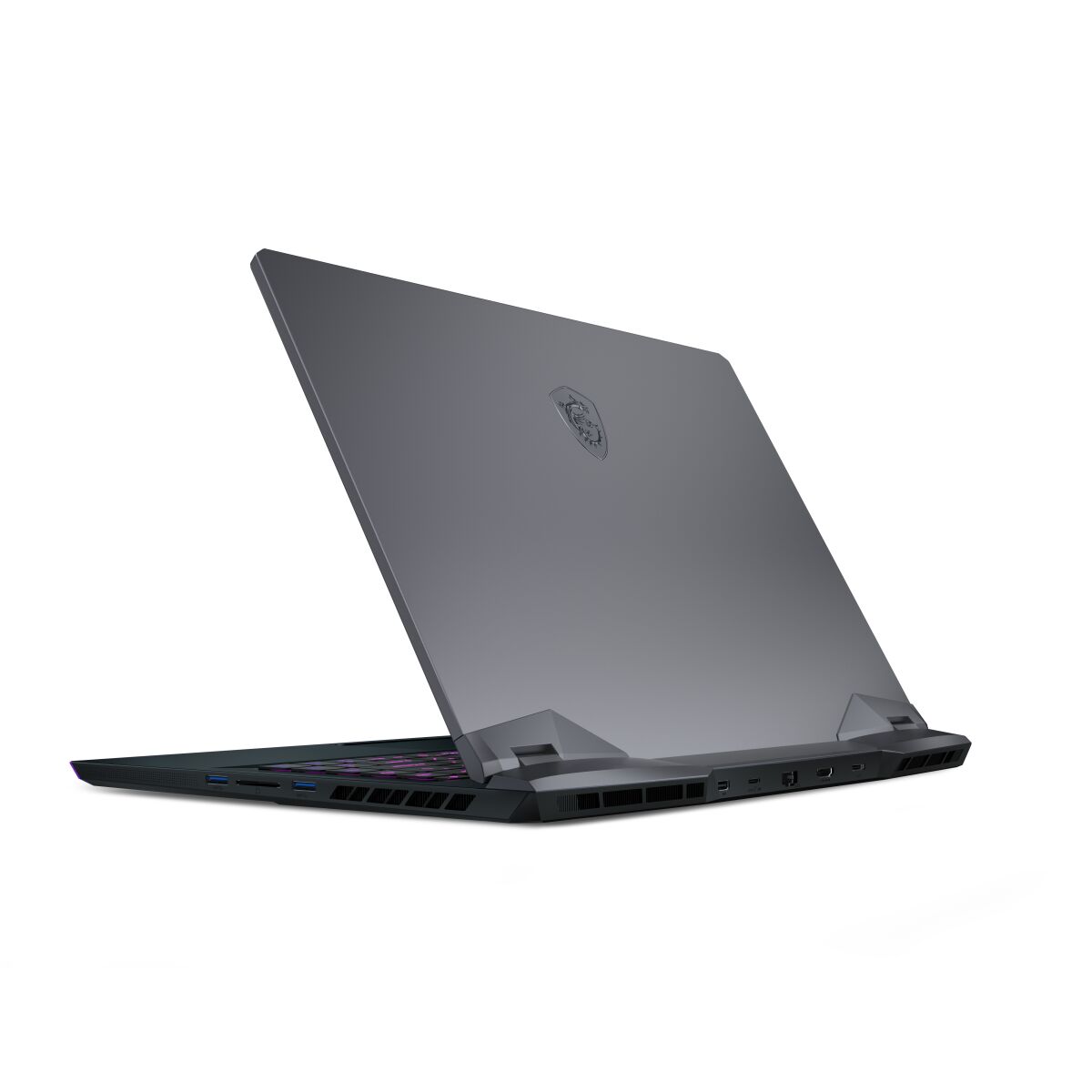
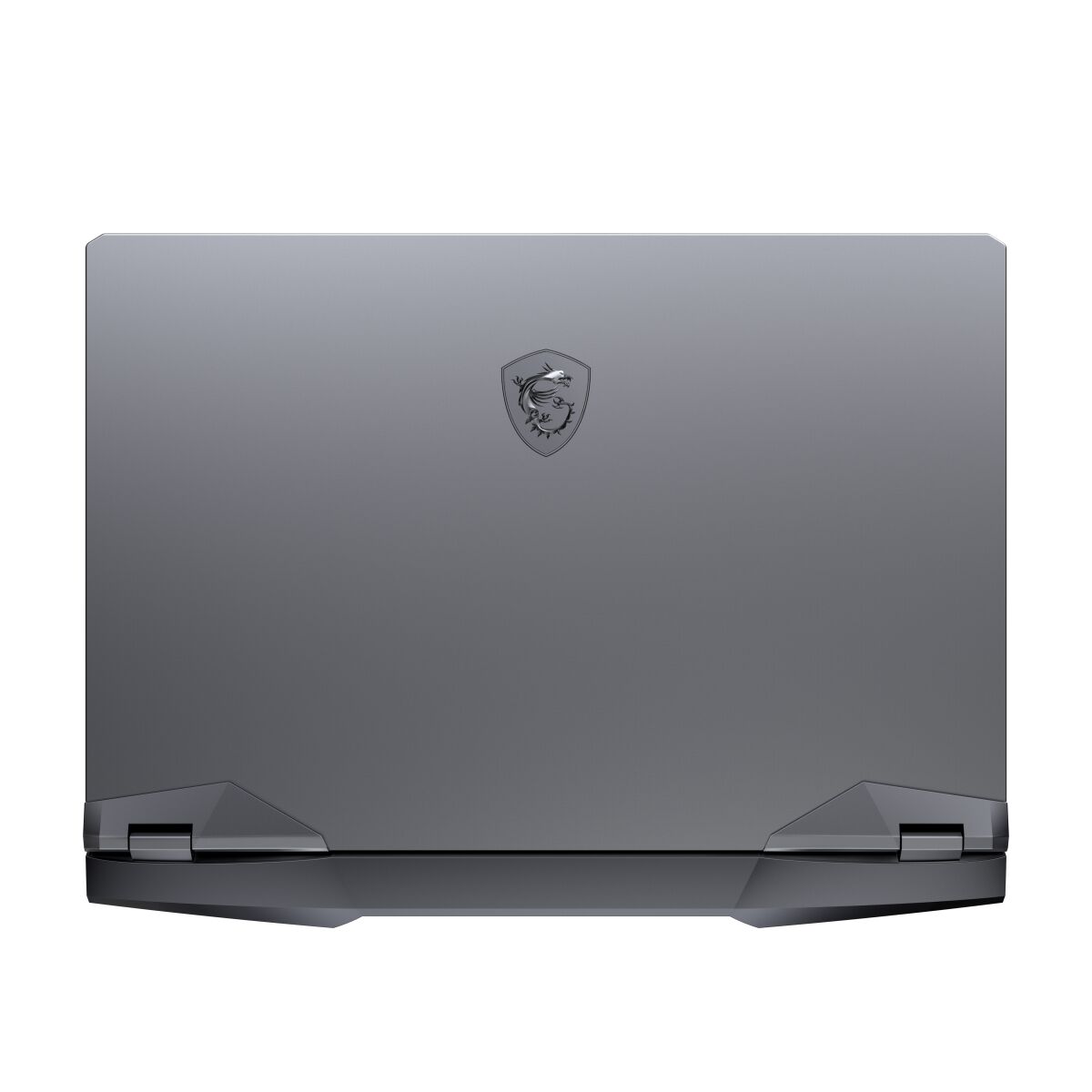
MSI GE66 10SGS-290IT Raider gaming laptop memory upgrade specifications include DDR4-SDRAM compatible modules in SO-DIMM form factor. The system features two memory slots supporting maximum RAM capacity of 64 GB total. Operating frequency specification is 2666 MHz. Compatible memory upgrades must match DDR4-SDRAM type and SO-DIMM configuration. Current memory slots accommodate dual module installation for enhanced system performance in gaming applications.
Memory Upgrade Specifications
| Specification | Value |
|---|---|
| Memory slots | 2x SO-DIMM |
| Form factor | SO-DIMM |
| Memory type | DDR4-SDRAM |
| Frequency | 2666 MHz |
| Maximum RAM | 64 GB |
| Voltage | 1.2V |
| Number of pins | 260-pin |
| Interface | PC4 |
| PC Speed Rating | PC4-2666 (PC4-21328) |
| Bandwidth | 21.3 GB/s |
| Laptop Release date | 20 May 2020 |
Additional Notes
- The 64 GB ceiling represents a per-slot density limitation of 32 GB modules, which constrains future-proofing beyond current practical gaming workloads.
- The 2666 MHz frequency operates below the DDR4 specification's higher 3200 MHz capability, introducing potential frame time variance in CPU-bound scenarios where memory latency becomes the limiting factor.
- SO-DIMM physical dimensions restrict third-party heatspreader compatibility, eliminating aftermarket thermal management options that desktop DIMM users can access.
- Dual-channel population requires matched pairs for optimal bandwidth utilization, meaning single-module upgrades sacrifice approximately 50% of theoretical throughput.
- The MSI GE66 10SGS-290IT Raider's Intel 10th generation platform does not officially support frequencies beyond 2933 MHz in JEDEC specification, making advertised higher-speed modules revert to this baseline without XMP profile activation.
- Mixing different density modules between slots remains functional but forces the memory controller to operate in asymmetric mode, disabling flexible dual-channel interleaving.
- Voltage requirements fixed at 1.2V standard DDR4 specification prevent low-power 1.35V module installation, which desktop systems sometimes accommodate.
- Warranty preservation typically requires non-destructive installation, meaning the bottom panel removal process must avoid seal breakage or screw stripping that manufacturers flag during service claims.
- Thermal proximity to the GPU heat zone in this chassis layout subjects memory modules to secondary heat exposure, potentially reducing stability margins for modules rated only at JEDEC baseline timings.
- The 2 slot limitation eliminates incremental upgrade staging, forcing users to replace existing modules entirely rather than supplementing capacity progressively.