MSI Gaming GE66 10UG-234IT Raider RAM upgrade specifications

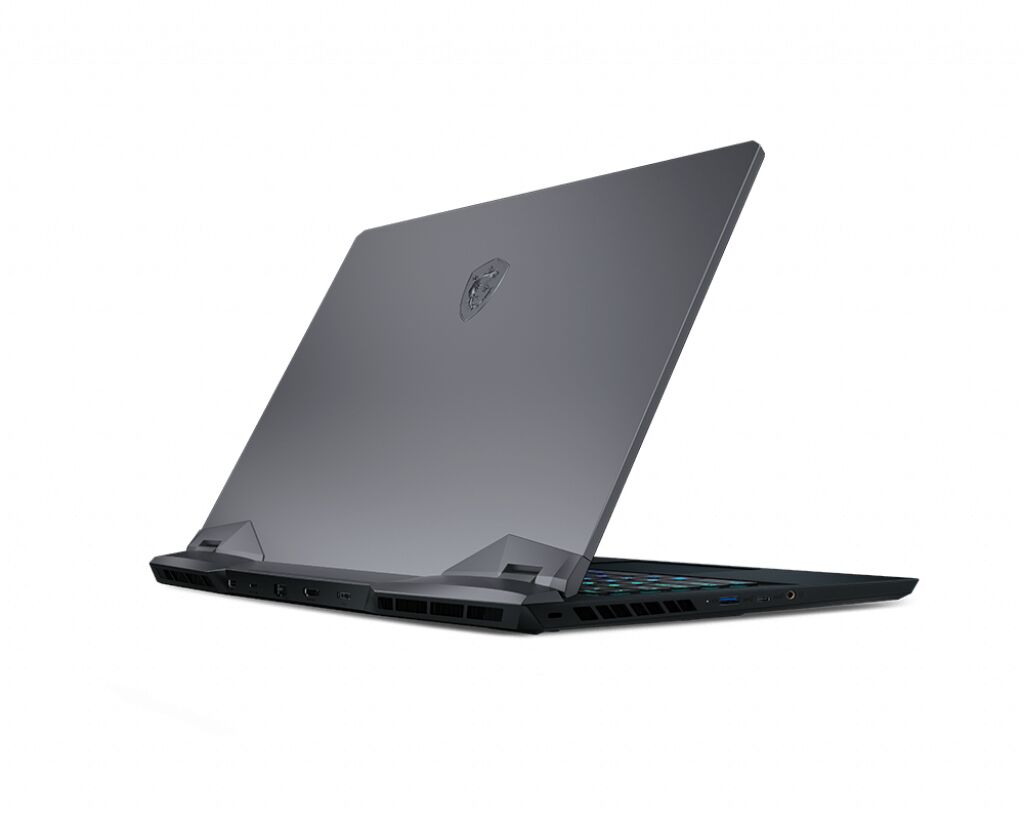
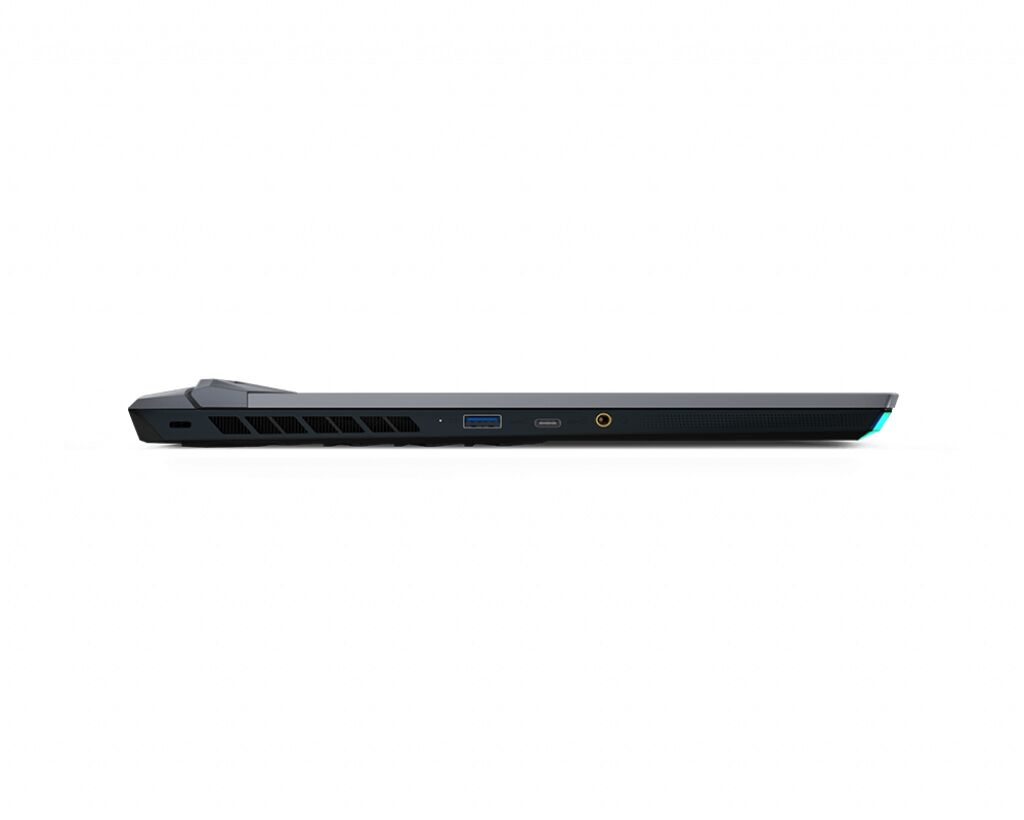
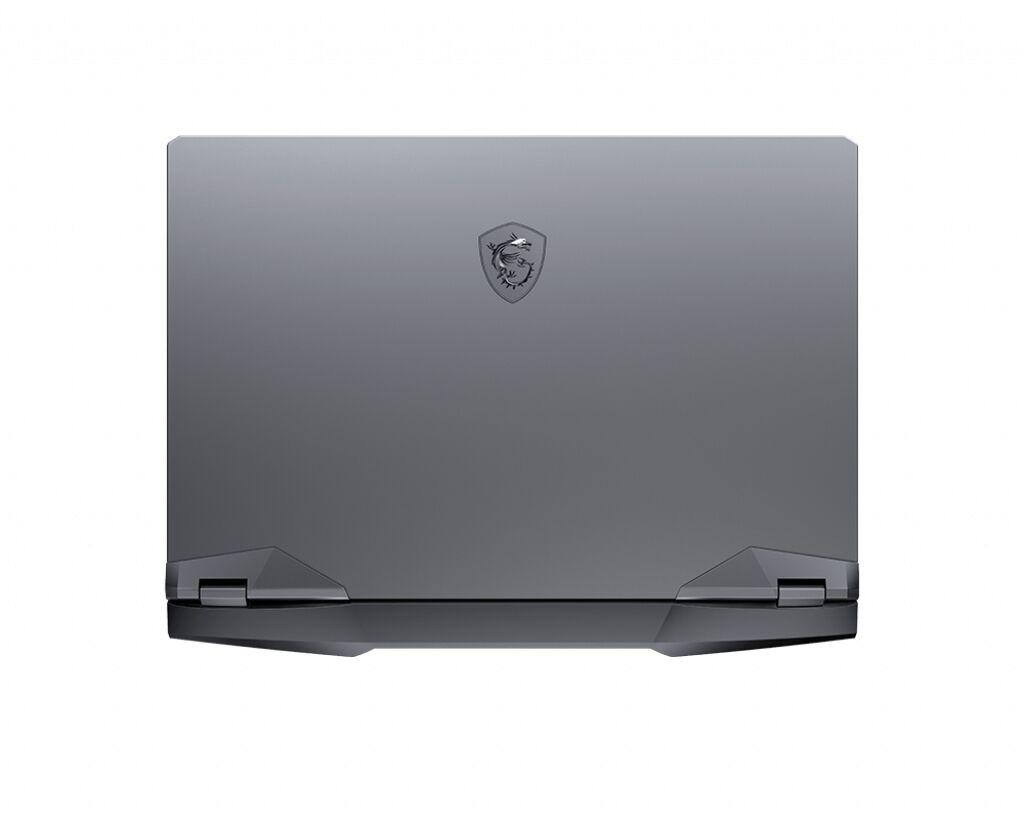

MSI GE66 10UG-234IT Raider gaming laptop supports DDR4-SDRAM memory upgrades through two SO-DIMM slots. Maximum compatible RAM capacity reaches 64 GB total. Memory specifications include 3200 MHz frequency support. Upgrade configurations accommodate SO-DIMM form factor modules. Current and prospective RAM installations must align with DDR4-SDRAM specifications for compatibility with GE series Raider platform.
Memory Upgrade Specifications
| Specification | Value |
|---|---|
| Memory slots | 2x SO-DIMM |
| Form factor | SO-DIMM |
| Memory type | DDR4-SDRAM |
| Frequency | 3200 MHz |
| Maximum RAM | 64 GB |
| Voltage | 1.2V |
| Number of pins | 260-pin |
| Interface | PC4 |
| PC Speed Rating | PC4-3200 (PC4-25600) |
| Bandwidth | 25.6 GB/s |
| Laptop Release date | 15 January 2021 |
Additional Notes
- The DDR4-3200 specification represents the highest JEDEC-standard speed supported by 10th generation Intel Core processors without overclocking.
- SO-DIMM modules with higher advertised frequencies will typically downclock to 3200 MHz unless XMP profiles are available and enabled in BIOS.
- The 64 GB maximum capacity requires two 32 GB modules, which must operate in dual-channel configuration to avoid halving memory bandwidth.
- Mixing modules with different densities, ranks, or timings may force all memory to run at the speed and timings of the slowest module.
- Single-rank modules typically offer better compatibility, while dual-rank modules at this frequency can provide marginal performance improvements in memory-intensive workloads.
- The MSI GE66 10UG-234IT Raider relies on matched pairs for optimal bandwidth delivery to the GPU during shared memory operations.
- Voltage requirements remain standardized at 1.2V for DDR4, though some high-density modules may require BIOS updates for proper SPD recognition.
- Non-ECC unbuffered modules are required, as error-correcting memory remains unsupported in consumer mobile platforms.
- Physical installation requires accessing the bottom panel, which may involve removing multiple screws and potentially voiding seals depending on regional warranty terms.
- Thermal considerations become relevant when fully populating both slots, as SO-DIMM modules lack dedicated airflow in this chassis design.