MSI Gaming GE66 10UG-211 Raider RAM upgrade specifications

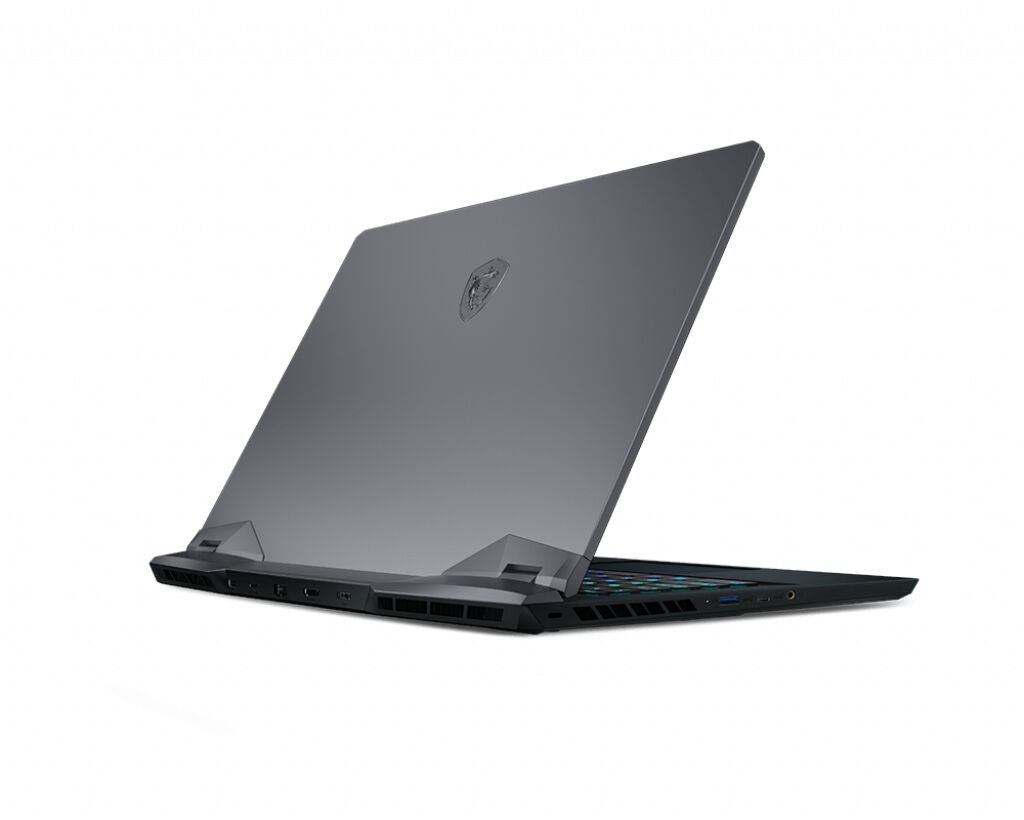
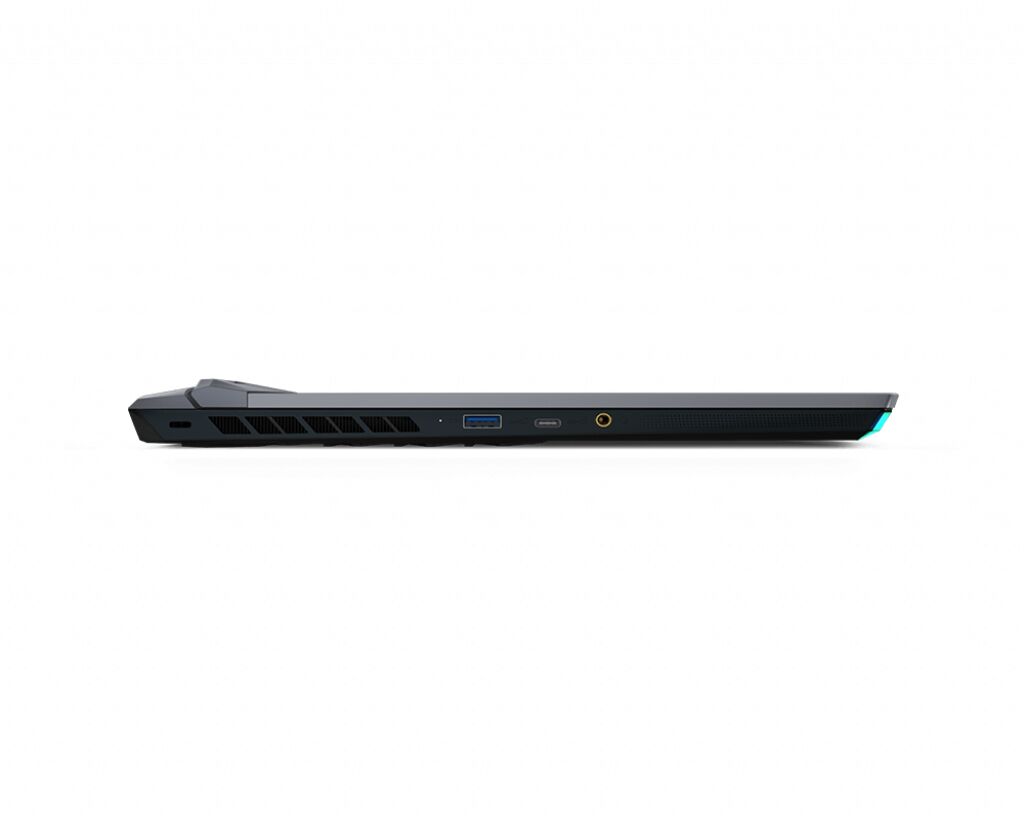
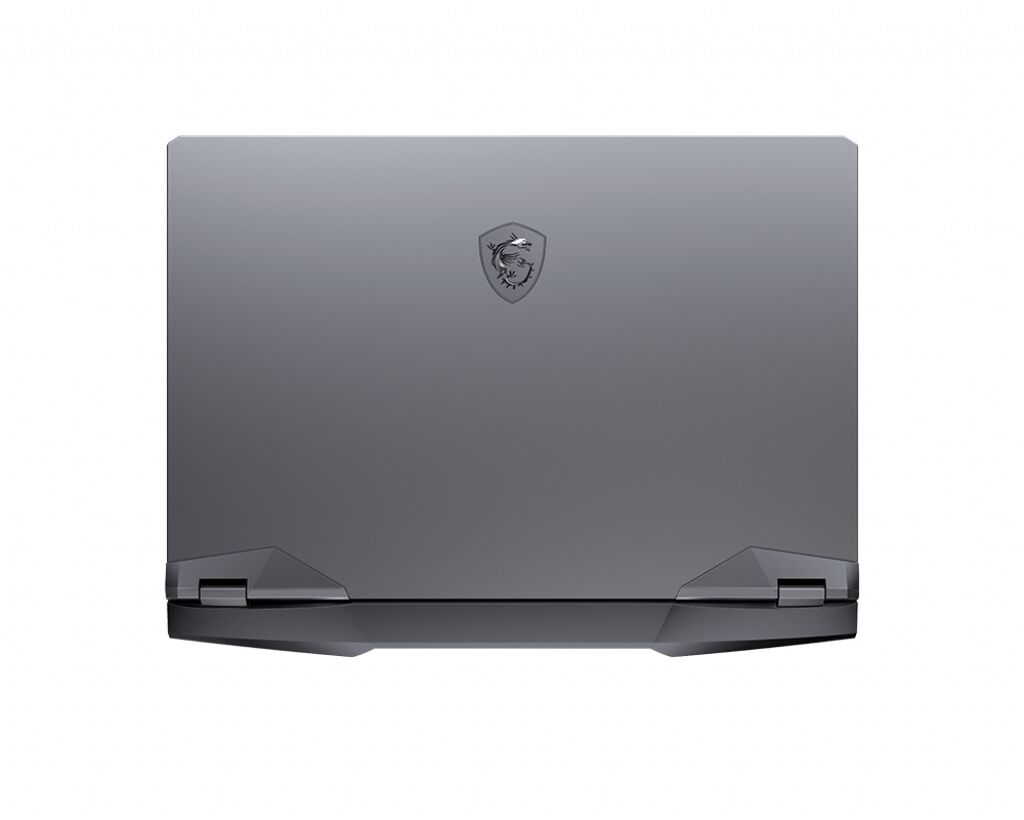
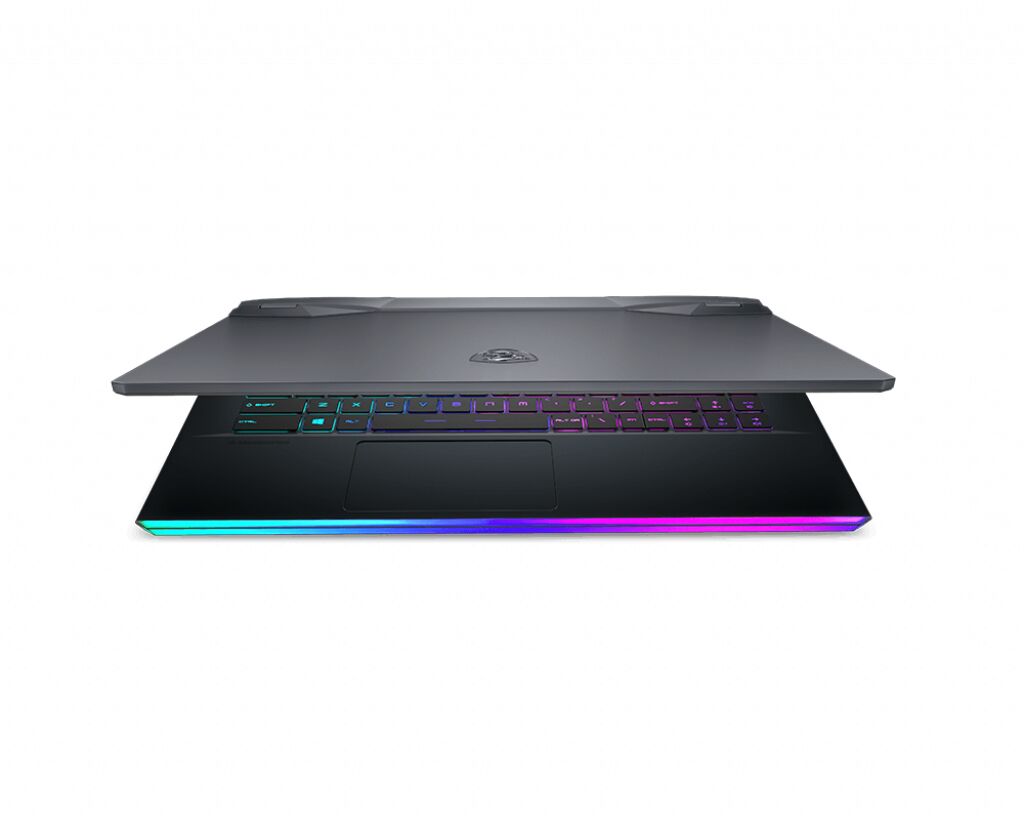
The MSI GE66 10UG-211 Raider Gaming series laptop features DDR4-SDRAM memory specifications compatible with two SO-DIMM slots. Maximum RAM capacity reaches 64 GB for this model. Memory upgrade options support 3200 MHz frequency specifications. The GE66 10UG-211 Raider accommodates SO-DIMM form factor modules. RAM slots enable memory expansion up to the specified maximum capacity. DDR4 memory specifications define upgrade compatibility for the MSI Gaming GE series notebook. Dual slot configuration supports modular memory modifications on the GE66 10UG-211 Raider platform.
Memory Upgrade Specifications
| Specification | Value |
|---|---|
| Memory slots | 2x SO-DIMM |
| Form factor | SO-DIMM |
| Memory type | DDR4-SDRAM |
| Frequency | 3200 MHz |
| Maximum RAM | 64 GB |
| Voltage | 1.2V |
| Number of pins | 260-pin |
| Interface | PC4 |
| PC Speed Rating | PC4-3200 (PC4-25600) |
| Bandwidth | 25.6 GB/s |
| Laptop Release date | 29 January 2021 |
Additional Notes
- DDR4-3200 memory operates within the 10th-generation Intel platform's native JEDEC specification, meaning faster XMP profiles will require manual BIOS configuration and may void thermal design margins during sustained gaming loads.
- The MSI GE66 10UG-211 Raider's 2-slot SO-DIMM configuration permits upgrading to 64 GB total capacity by replacing both modules, but this action will discard existing memory and cannot be performed non-destructively.
- SO-DIMM modules require precise vertical insertion at 45-degree angles followed by downward pressure until retention clips engage; improper seating generates no error codes but causes intermittent kernel panics during memory-intensive operations like video rendering or large dataset processing.
- The 64 GB maximum ceiling means a single 32 GB SO-DIMM module per slot satisfies the hardware limit, but inventory of DDR4-3200 SO-DIMM modules at 32 GB capacity remains limited compared to desktop DIMM availability, affecting replacement cost and lead times.
- Dual-channel memory architecture depends on matched module specifications; mixing different manufacturers, production batches, or subtly different timing parameters (CAS latency, voltage variance) produces undetected performance degradation rather than outright failure, resulting in 3 to 8 percent throughput loss in GPU-bound workloads.
- Warranty coverage for user-installed memory upgrades typically extends to the memory modules themselves but excludes damage to SO-DIMM slots if installation force exceeds manufacturer tolerances; MSI service centers can verify contact damage via visual inspection.