MSI Gaming GE66 10UE-293FR Raider RAM upgrade specifications

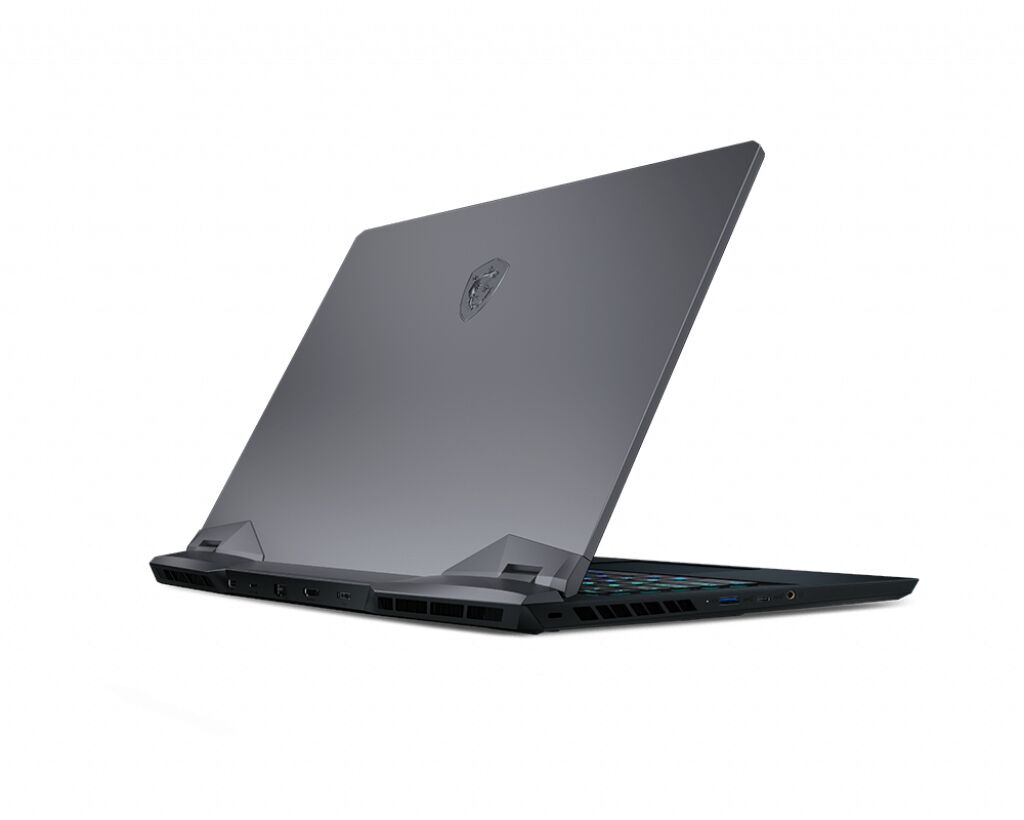
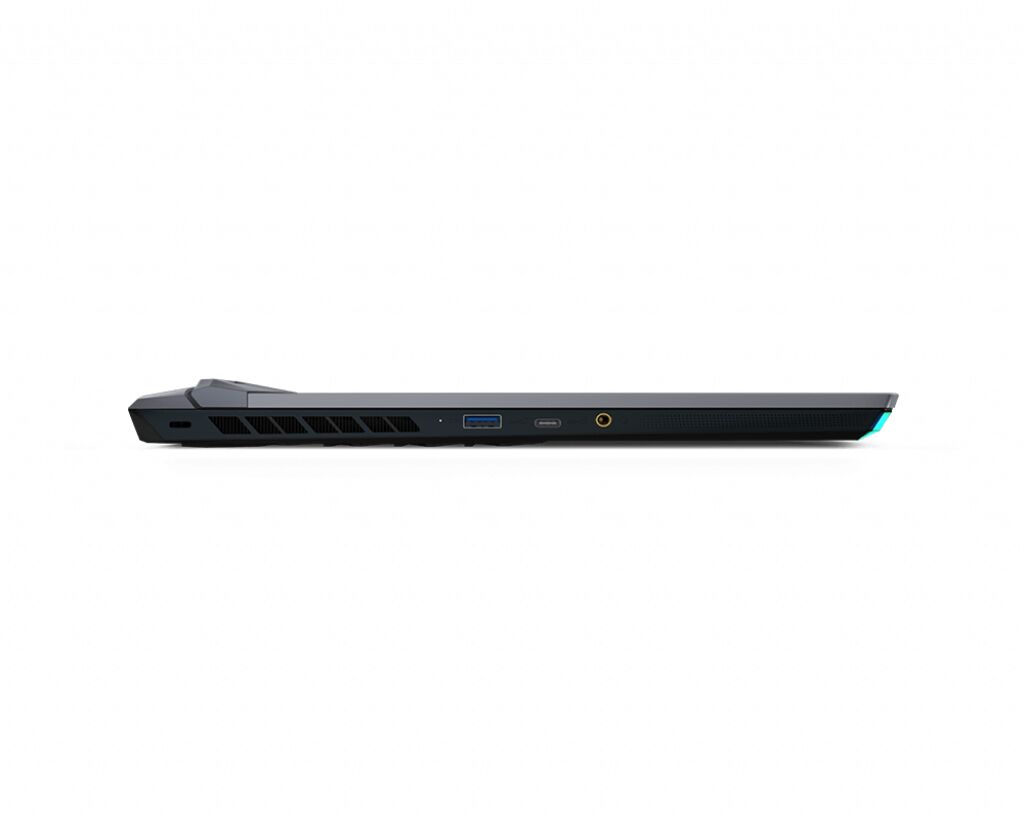
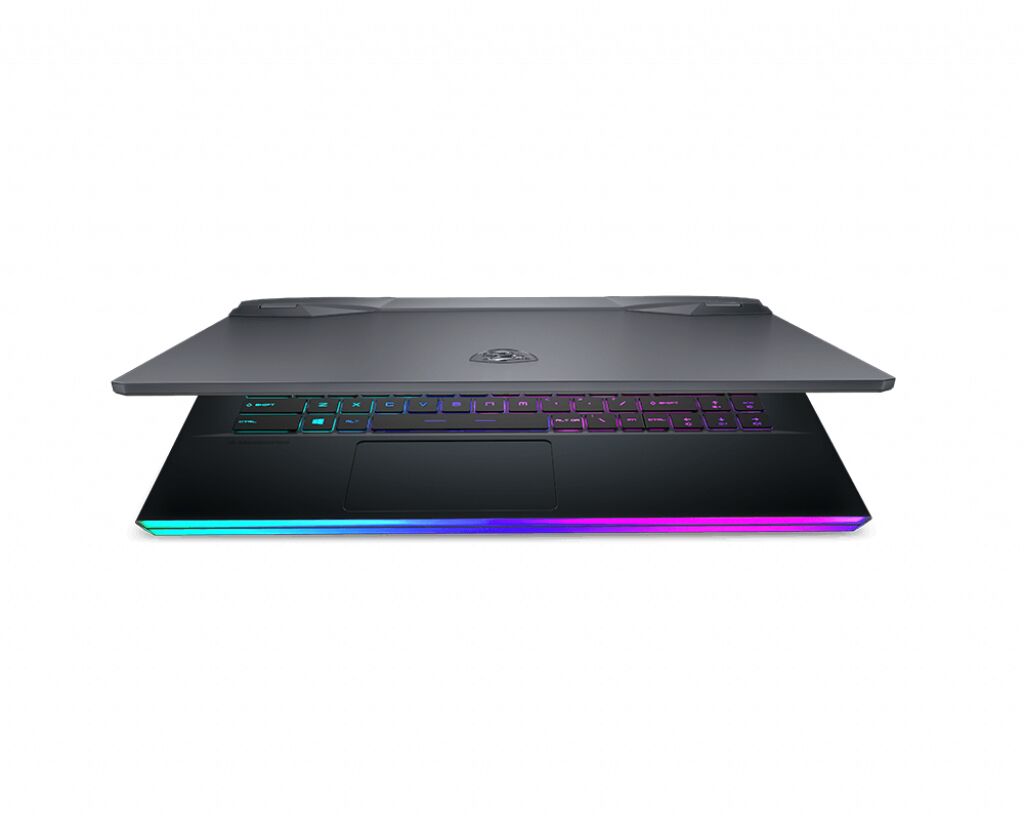
MSI GE66 10UE-293FR Raider Gaming series laptop supports DDR4-SDRAM memory upgrade through dual SO-DIMM slots. Maximum memory capacity reaches 64 GB with DDR4-3200 MHz specifications. Compatible RAM modules must feature SO-DIMM form factor for installation in the two available upgrade slots. Current specifications enable memory expansion up to the stated maximum capacity for enhanced multitasking performance in the GE series Gaming laptop.
Memory Upgrade Specifications
| Specification | Value |
|---|---|
| Memory slots | 2x SO-DIMM |
| Form factor | SO-DIMM |
| Memory type | DDR4-SDRAM |
| Frequency | 3200 MHz |
| Maximum RAM | 64 GB |
| Voltage | 1.2V |
| Number of pins | 260-pin |
| Interface | PC4 |
| PC Speed Rating | PC4-3200 (PC4-25600) |
| Bandwidth | 25.6 GB/s |
| Laptop Release date | 29 January 2021 |
Additional Notes
- The MSI GE66 10UE-293FR Raider uses a 2-slot SO-DIMM configuration, meaning both memory slots must be populated simultaneously to achieve maximum capacity; a single module upgrade path does not exist without removing existing memory.
- DDR4-3200 MHz frequency aligns with 10th-generation Intel mobile processor specifications, but newer DDR4 modules rated at 3600 MHz or higher will downclock to 3200 MHz, creating no performance gain and unnecessary expense.
- Upgrading beyond 32 GB total capacity (paired 16 GB modules) provides negligible real-world benefit for gaming workloads, as GPU memory becomes the limiting factor before system RAM exhaustion occurs.
- SO-DIMM form factor requires specific low-profile modules; full-size UDIMM memory is physically incompatible and cannot be installed regardless of electrical specifications.
- Capacity expansion to 64 GB demands purchasing 2x 32 GB SO-DIMM modules, not upgradeable in single-module increments, resulting in potential waste of existing memory modules if replaced.
- The 2-slot architecture prevents future expansion pathways; 64 GB represents the absolute maximum without motherboard redesign, limiting longevity for emerging workloads.
- Thermal constraints within a gaming laptop chassis may cause SO-DIMM modules without heatspreaders to thermal throttle under sustained gaming loads exceeding 2+ hours.