MSI Gaming GE66 10UE-220FR Raider RAM upgrade specifications


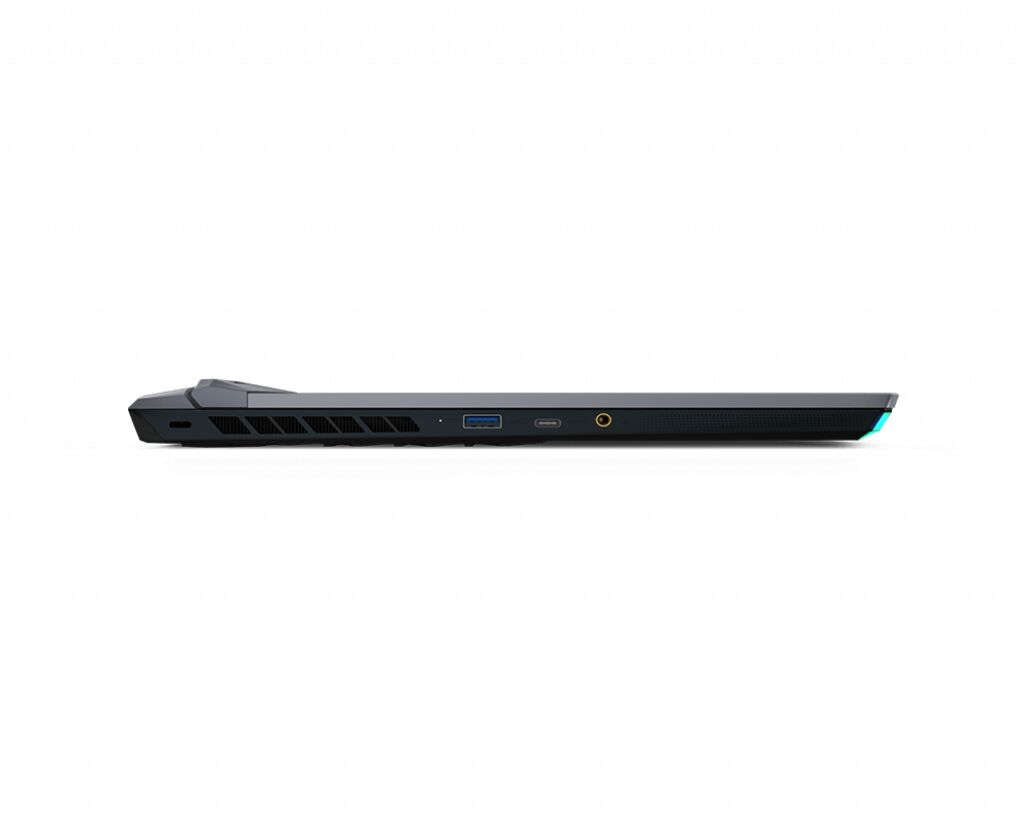


The MSI GE66 10UE-220FR Raider gaming laptop features two SO-DIMM memory slots supporting DDR4-SDRAM modules at 3200 MHz frequency. The system accommodates a maximum RAM capacity of 64 GB total. RAM upgrade specifications for the GE series Raider model utilize standard SO-DIMM form factor modules, enabling memory expansion and replacement compatible with DDR4 technology. Current memory configuration and available upgrade options depend on the existing installed capacity within the two available slots. The specifications establish baseline requirements for memory upgrades on this MSI Gaming family system.
Memory Upgrade Specifications
| Specification | Value |
|---|---|
| Memory slots | 2x SO-DIMM |
| Form factor | SO-DIMM |
| Memory type | DDR4-SDRAM |
| Frequency | 3200 MHz |
| Maximum RAM | 64 GB |
| Voltage | 1.2V |
| Number of pins | 260-pin |
| Interface | PC4 |
| PC Speed Rating | PC4-3200 (PC4-25600) |
| Bandwidth | 25.6 GB/s |
| Laptop Release date | 29 January 2021 |
Additional Notes
- The MSI GE66 10UE-220FR Raider supports dual-channel memory architecture through its 2 SO-DIMM slots, enabling doubled bandwidth when populated with matched modules compared to single-channel operation.
- The 3200 MHz frequency specification indicates PC4-25600 rating compatibility, corresponding to a peak theoretical transfer rate of 25.6 GB/s per channel or 51.2 GB/s in dual-channel mode.
- Reaching the 64 GB capacity ceiling requires installing 2 modules of 32 GB each, as exceeding this threshold will trigger system instability or boot failure regardless of module quality.
- Mismatched module capacities between slots will force the memory controller to operate in asymmetric dual-channel mode, reducing performance in applications that access beyond the lower capacity threshold.
- The SO-DIMM form factor requires modules measuring 67.6 mm in length, making standard 133.35 mm desktop DIMMs physically incompatible with this chassis.
- Running modules at speeds below 3200 MHz will bottleneck bandwidth-sensitive workloads, particularly GPU-intensive tasks where insufficient memory throughput creates frame pacing issues.
- Installing modules with higher native speeds than 3200 MHz will result in automatic downclocking to match the controller's maximum supported frequency, rendering premium-speed kits economically inefficient.
- DDR4 voltage tolerance typically ranges from 1.2V to 1.35V for SO-DIMMs, but exceeding the manufacturer-specified voltage through XMP profiles may void warranty coverage on mobile platforms.
- Access to both memory slots on this gaming chassis typically requires complete bottom panel removal, as manufacturer designs rarely provide dedicated access doors on performance-oriented models.
- Mixing different CAS latency timings across modules will force the memory controller to adopt the slower timing values, degrading response times in latency-sensitive operations like asset streaming.
- Non-ECC unbuffered modules represent the only compatible architecture, as registered or error-correcting configurations require server-grade memory controllers absent from consumer gaming platforms.