MSI Gaming GE66 10UE-236IT Raider RAM upgrade specifications


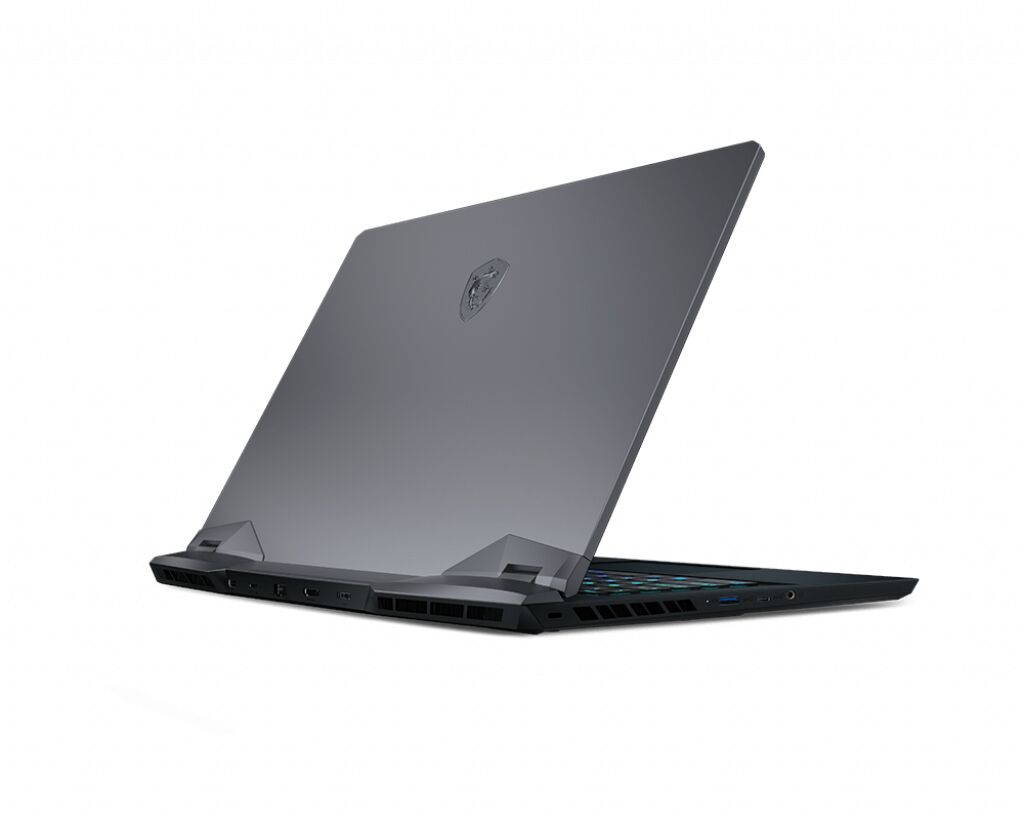
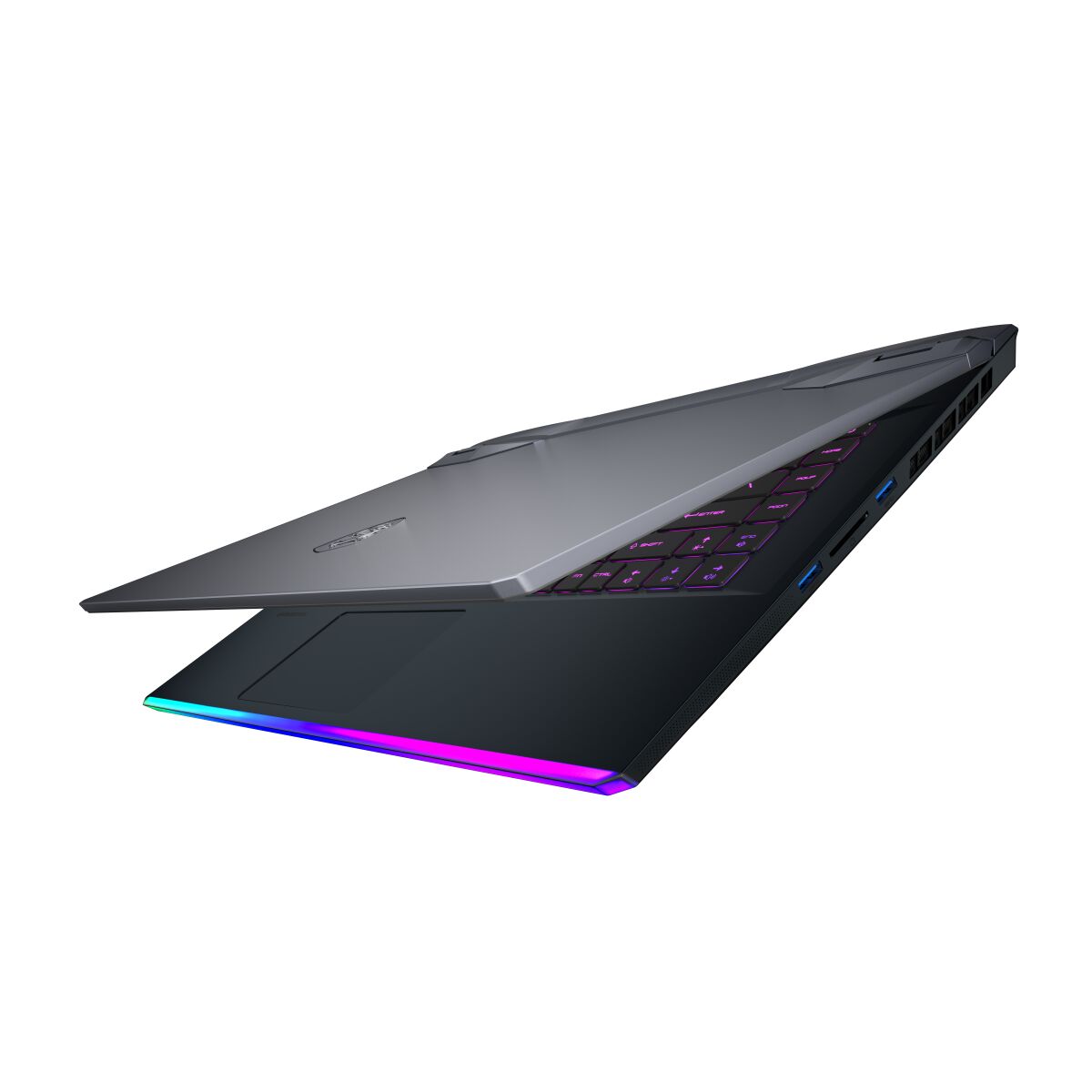
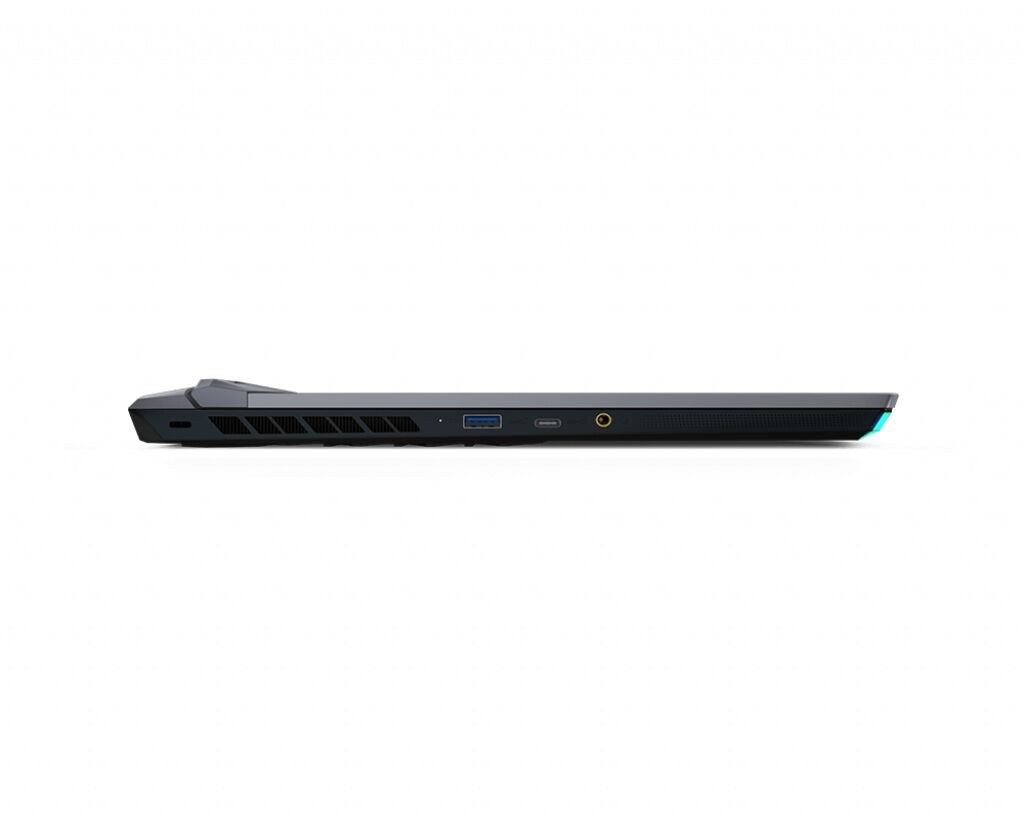
The MSI GE66 10UE-236IT Raider gaming laptop features two SO-DIMM memory slots supporting DDR4-SDRAM specifications. Maximum RAM capacity reaches 64 GB total. Compatible memory upgrades operate at 3200 MHz frequency. The GE series Raider model supports SO-DIMM form factor modules for memory expansion. Specifications indicate dual-slot configuration enabling modular RAM upgrades to enhance system performance. Memory specifications are compatible with standard DDR4 upgrades meeting the GE66 10UE-236IT platform requirements.
Memory Upgrade Specifications
| Specification | Value |
|---|---|
| Memory slots | 2x SO-DIMM |
| Form factor | SO-DIMM |
| Memory type | DDR4-SDRAM |
| Frequency | 3200 MHz |
| Maximum RAM | 64 GB |
| Voltage | 1.2V |
| Number of pins | 260-pin |
| Interface | PC4 |
| PC Speed Rating | PC4-3200 (PC4-25600) |
| Bandwidth | 25.6 GB/s |
| Laptop Release date | 01 February 2021 |
Additional Notes
- The dual-slot configuration necessitates the removal of existing modules to reach the maximum threshold since no unoccupied slots remain for expansion.
- Installing a single module triggers single-channel mode which reduces memory bandwidth and impacts frame consistency in CPU-bound gaming scenarios.
- Achieving peak 3200 MHz frequencies requires modules with matching JEDEC profiles to avoid downclocking to the processor default bus speed.
- The MSI GE66 10UE-236IT Raider internal motherboard layout requires the removal of the entire bottom chassis plate which involves breaking a factory seal over a screw head.
- Utilizing high-density 32 GB modules in both slots ensures balanced load distribution across the integrated memory controller for stable multitasking.
- Physical clearance within the tight chassis restricts the use of memory modules with integrated heat spreaders due to vertical height limitations.
- Latency variations between mismatched timing kits will force the system to operate at the slower common denominator causing increased CAS latency.