MSI Gaming GE66 12UH-247PL Raider RAM upgrade specifications

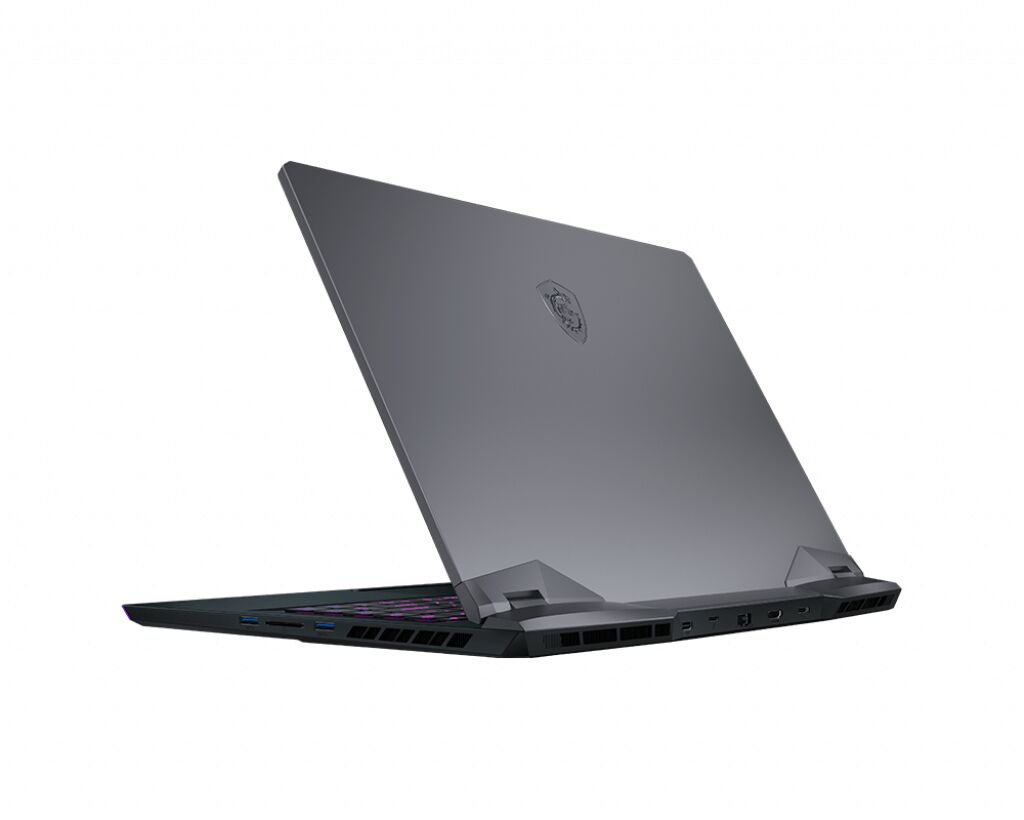
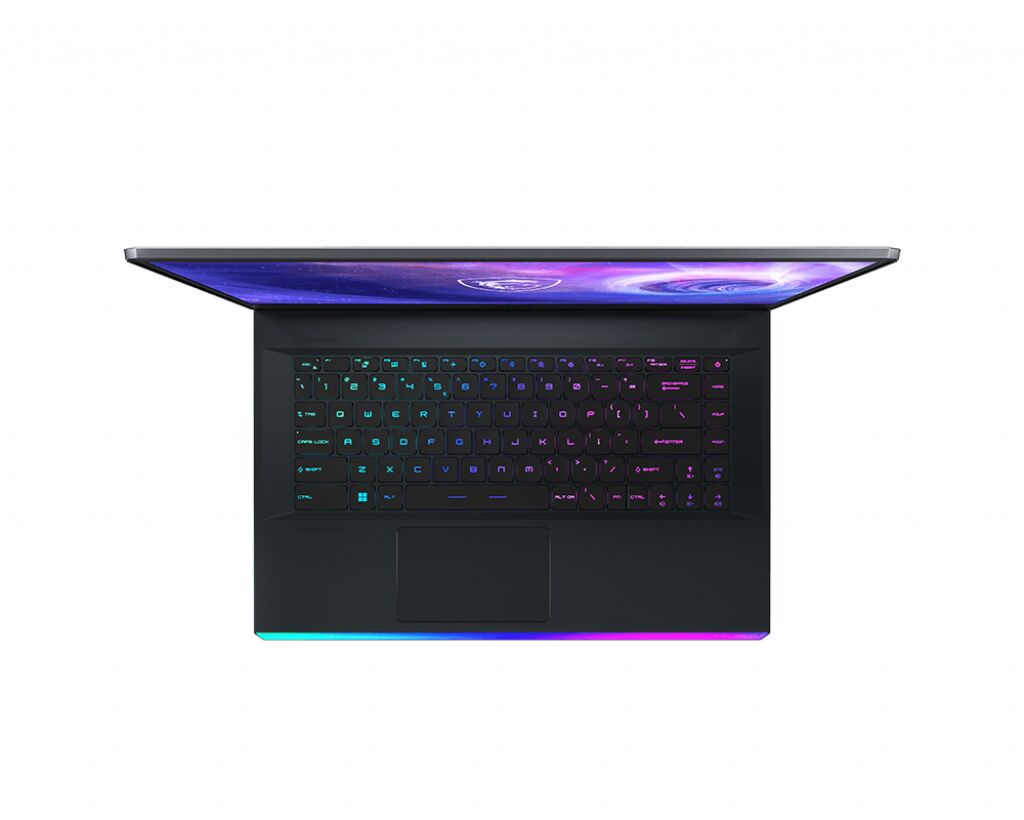
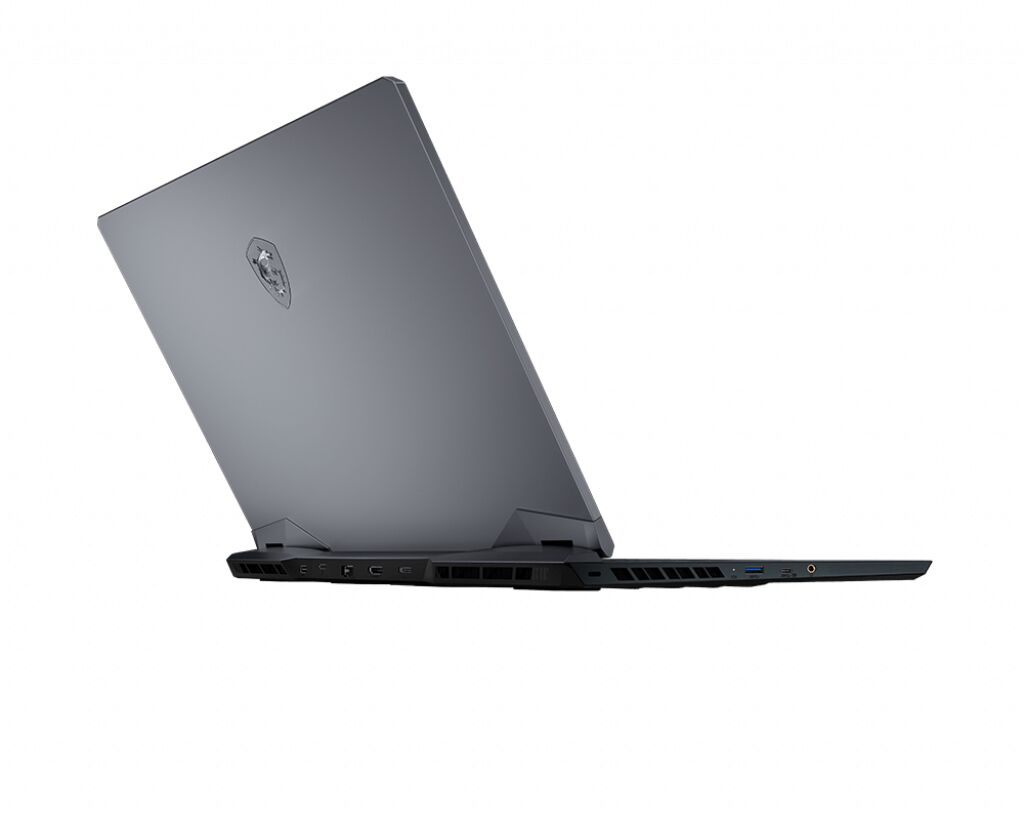
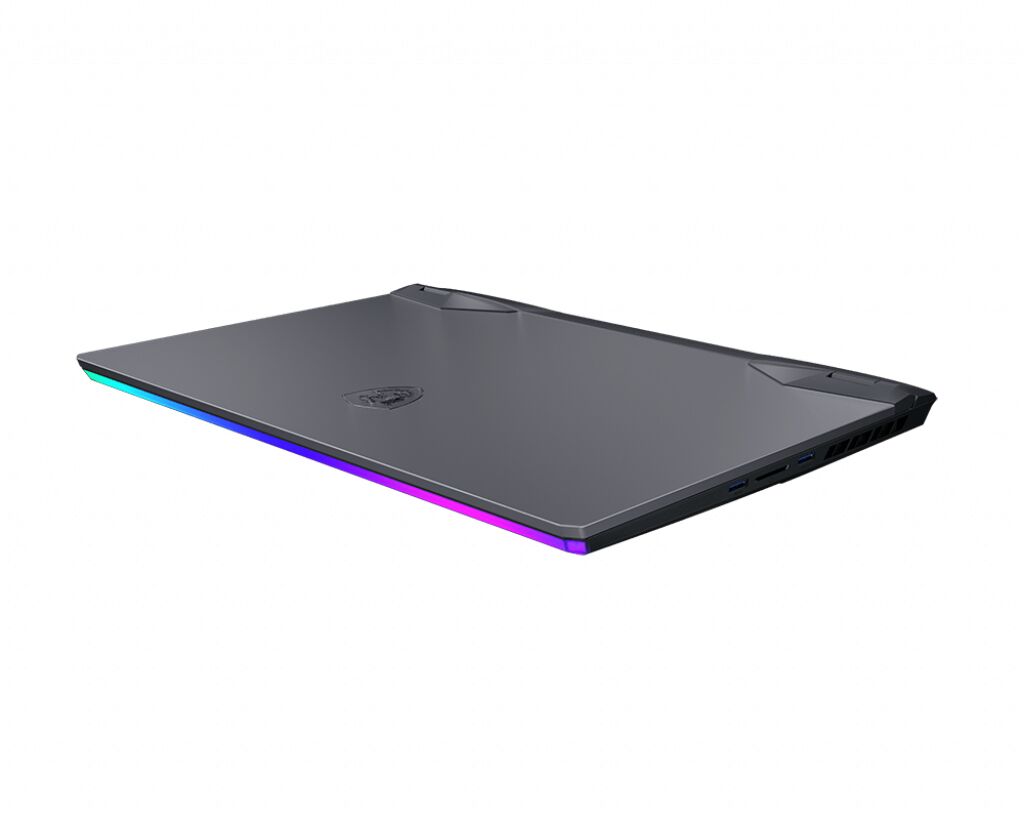
MSI GE66 12UH-247PL Raider gaming laptop supports DDR5-SDRAM memory upgrades via 2x SO-DIMM slots. The system accommodates maximum RAM capacity of 64 GB total. Memory specifications include DDR5 technology operating at 4800 MHz frequency. Upgrade options provide compatible SO-DIMM form factor modules for expanding laptop memory capabilities. The GE series Raider model enables flexible memory configuration through dual upgrade slots, supporting enhanced multitasking and performance requirements for gaming applications.
Memory Upgrade Specifications
| Specification | Value |
|---|---|
| Memory slots | 2x SO-DIMM |
| Form factor | SO-DIMM |
| Memory type | DDR5-SDRAM |
| Frequency | 4800 MHz |
| Maximum RAM | 64 GB |
| Voltage | 1.1V |
| Number of pins | 262-pin |
| Interface | PC5 |
| PC Speed Rating | PC5-4800 (PC5-38400) |
| Bandwidth | 38.4 GB/s |
| Laptop Release date | 25 April 2022 |
Additional Notes
- The dual slot configuration allows for a symmetrical dual channel architecture which doubles the available memory bandwidth compared to single module setups.
- Operating at the specified 4800 MHz frequency requires compatibility with JEDEC standards to ensure system stability at base clock speeds.
- The MSI GE66 12UH-247PL Raider utilizes a specialized thermal management system where heat pipes may partially obstruct access to the memory modules during hardware maintenance.
- Maximum capacity reach necessitates the use of 32 GB high density modules in each slot which may increase local motherboard temperatures under heavy workloads.
- Voltage requirements for the installed DDR5 modules are lower than previous generations resulting in a reduced power draw but requiring specific low voltage compatible hardware.
- Upgrading beyond the factory configuration requires removing the entire lower chassis panel which involve plastic clips prone to fatigue if handled without specialized technical tools.
- Latency performance depends on the CAS timing of the aftermarket modules as the system firmware may default to conservative speeds if the XMP profiles are not natively supported.