MSI Gaming GE66 12UH-279UK Raider RAM upgrade specifications


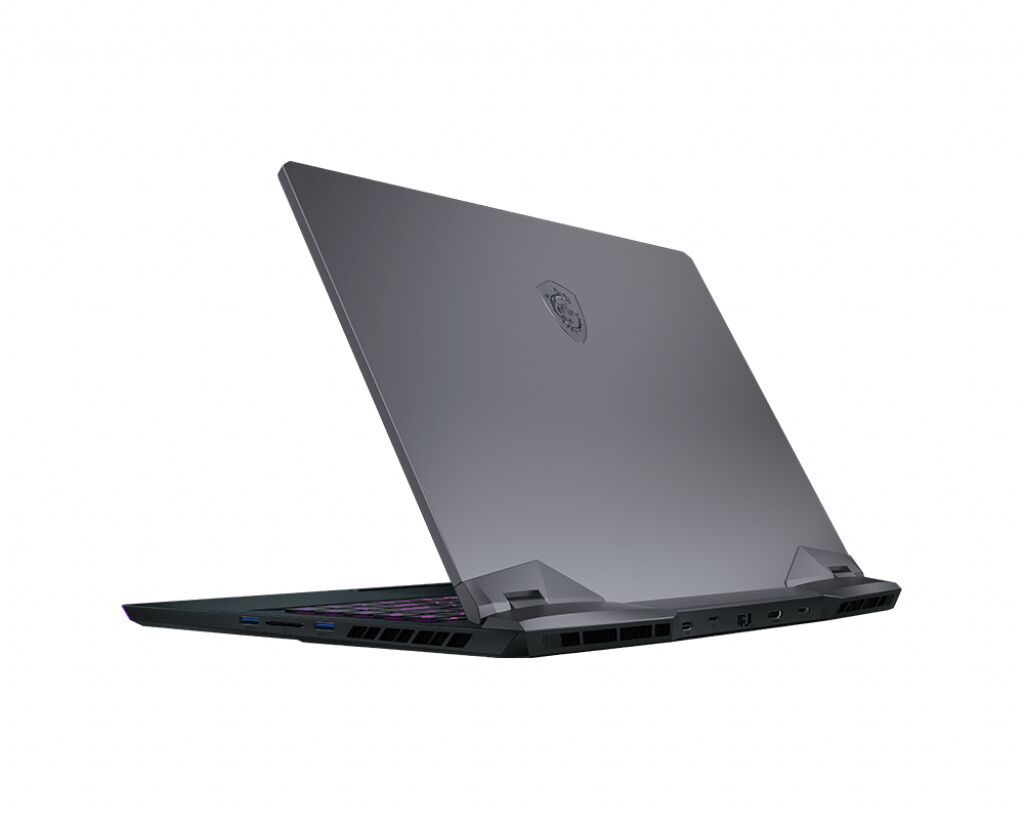
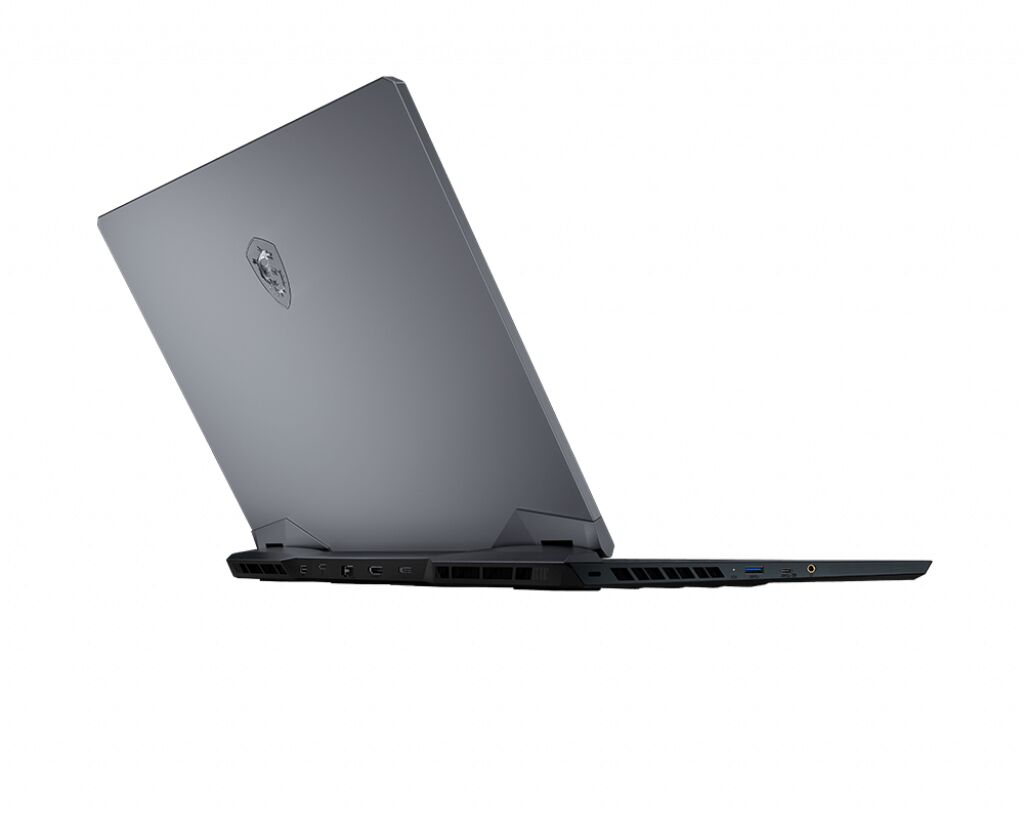
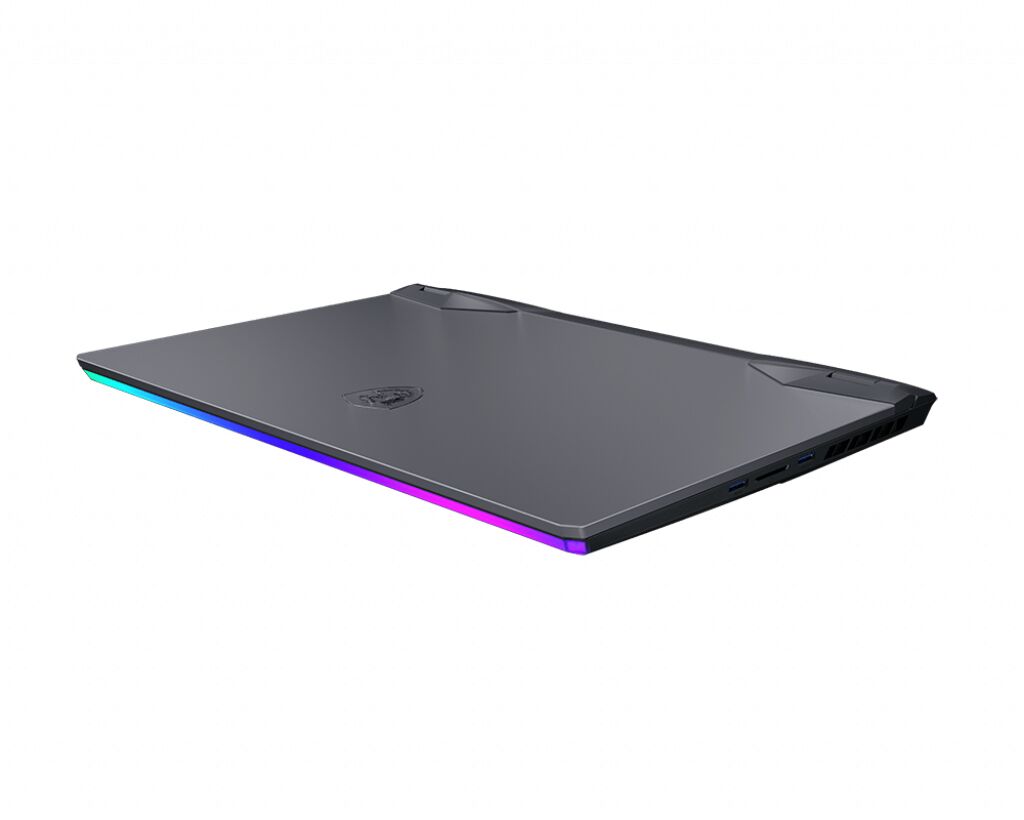
MSI GE66 12UH-279UK Raider gaming laptop supports DDR5-SDRAM memory upgrades through two SO-DIMM slots. Maximum compatible RAM capacity reaches 64 GB with DDR5-4800 MHz specifications. Current memory upgrade options allow installation of compatible SO-DIMM modules to enhance system performance and multitasking capabilities. Specifications confirm DDR5 technology support for the GE series platform.
Memory Upgrade Specifications
| Specification | Value |
|---|---|
| Memory slots | 2x SO-DIMM |
| Form factor | SO-DIMM |
| Memory type | DDR5-SDRAM |
| Frequency | 4800 MHz |
| Maximum RAM | 64 GB |
| Voltage | 1.1V |
| Number of pins | 262-pin |
| Interface | PC5 |
| PC Speed Rating | PC5-4800 (PC5-38400) |
| Bandwidth | 38.4 GB/s |
| Laptop Release date | 01 April 2022 |
Additional Notes
- DDR5 modules operate at significantly higher voltages than DDR4, requiring motherboard firmware capable of managing dynamic voltage and frequency scaling to prevent thermal throttling during sustained workloads.
- The 2 slot configuration means capacity upgrades require complete replacement of existing modules rather than simple addition, potentially leaving functional memory unused after an upgrade.
- 64 GB ceiling represents a chipset-level restriction tied to the Intel 12th generation memory controller, which limits addressable memory ranges regardless of available physical slots.
- SO-DIMM packaging constrains PCB real estate for memory chips, making high-density modules more expensive per gigabyte compared to desktop equivalents while offering identical performance specifications.
- The MSI GE66 12UH-279UK Raider platform locks memory timing parameters through BIOS restrictions common in gaming laptops, preventing manual adjustment of CAS latency or tRCD values that desktop systems typically allow.
- 4800 MHz represents JEDEC baseline specification for DDR5, meaning modules rated at higher speeds will downclock to this frequency unless XMP profiles receive BIOS support, which most laptop manufacturers disable.
- Dual-channel architecture requires matched module pairs for optimal bandwidth utilization, as mismatched capacities force the memory controller into asymmetric mode with reduced throughput on the higher-capacity stick.
- Physical access to memory slots typically requires complete bottom panel removal and warranty seal breakage on this chassis design, converting simple upgrades into procedures with potential service coverage implications.
- DDR5's on-die ECC operates independently of system-level error correction, providing background data integrity without OS visibility, unlike server-grade ECC that logs correctable errors.
- Power management ICs integrated into DDR5 modules introduce additional failure points compared to DDR4, where voltage regulation occurred exclusively on the motherboard.