MSI Gaming GE66 12UHS-092PL Raider RAM upgrade specifications


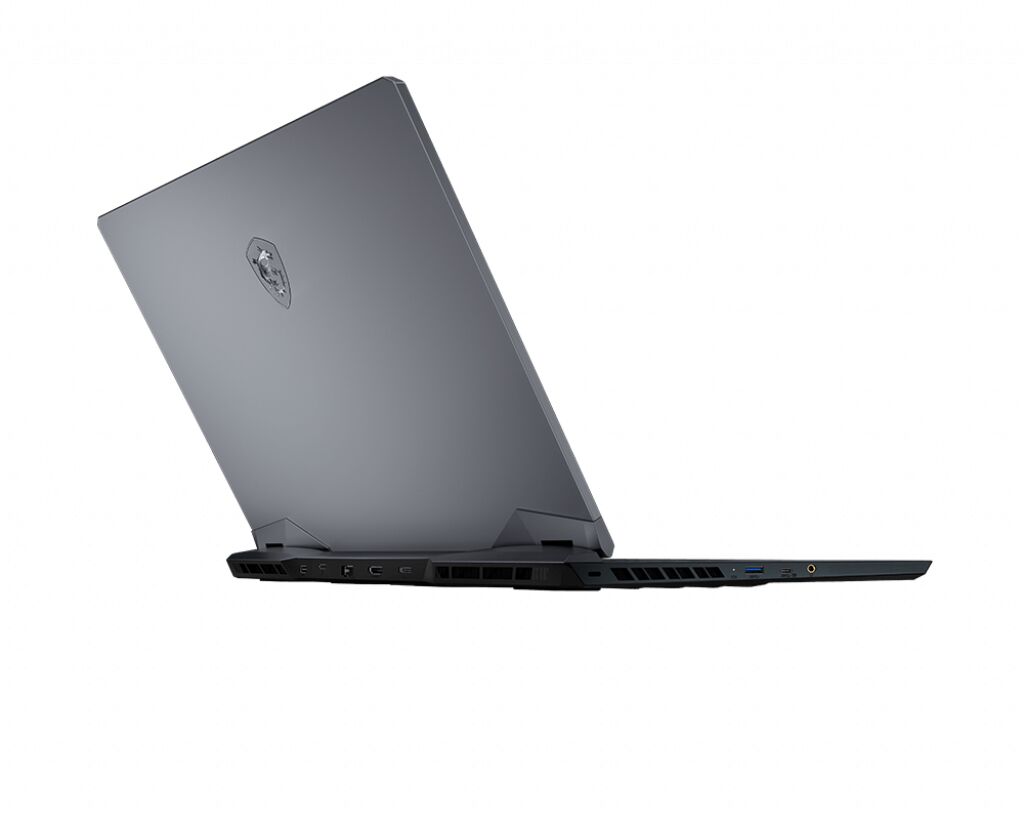
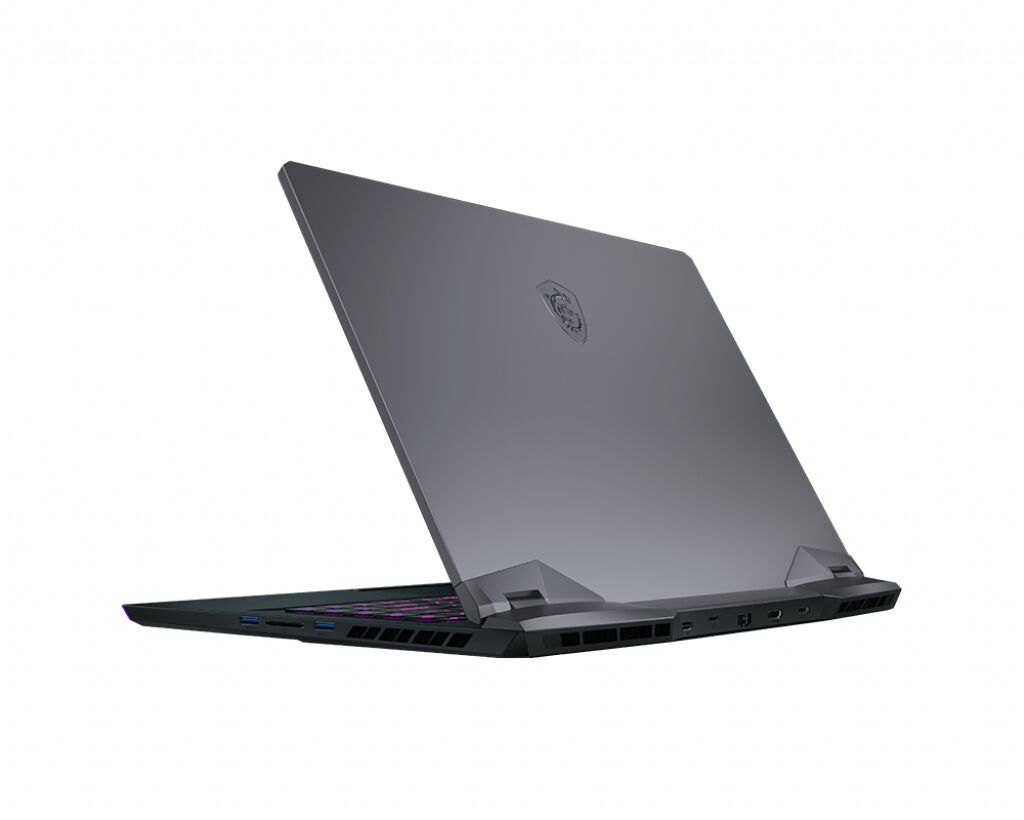

The MSI GE66 12UHS-092PL Raider gaming laptop features DDR5-SDRAM memory upgrade specifications with two SO-DIMM slots supporting maximum capacity of 64 GB. Compatible memory modules operate at 4800 MHz frequency. The GE series Raider model accommodates SO-DIMM form factor upgrades, enabling users to expand system RAM from factory configurations up to the specified maximum capacity. Specifications detail slot configuration and supported memory standards for RAM upgrade compatibility on the MSI Gaming GE66 platform.
Memory Upgrade Specifications
| Specification | Value |
|---|---|
| Memory slots | 2x SO-DIMM |
| Form factor | SO-DIMM |
| Memory type | DDR5-SDRAM |
| Frequency | 4800 MHz |
| Maximum RAM | 64 GB |
| Voltage | 1.1V |
| Number of pins | 262-pin |
| Interface | PC5 |
| PC Speed Rating | PC5-4800 (PC5-38400) |
| Bandwidth | 38.4 GB/s |
| Laptop Release date | 21 April 2022 |
Additional Notes
- The dual channel architecture requires symmetrical module pairing to maximize the memory controller bus width and avoid bandwidth throttling during high CPU load.
- The MSI GE66 12UHS-092PL Raider utilizes a specialized DDR5 power management integrated circuit that shifts voltage regulation from the motherboard directly to the memory module for improved thermal efficiency.
- Physical installation is limited to 262 pin horizontal orientation modules which prevents the use of older generation hardware due to shifted mechanical key notches.
- The 64 GB capacity ceiling indicates a firmware limitation on the addressable memory space despite the processor potentially supporting higher density individual chips.
- Operating at 4800 MHz necessitates low latency timing profiles to maintain system stability under heavy multitasking since higher frequency increase potential signal noise.
- Upgrading to the maximum supported capacity likely requires the removal of both preinstalled factory modules because no vacant expansion slots exist.
- Mixing modules with mismatched latency ratings will force the system to default to the slowest common timing profile as a failsafe mechanism.